
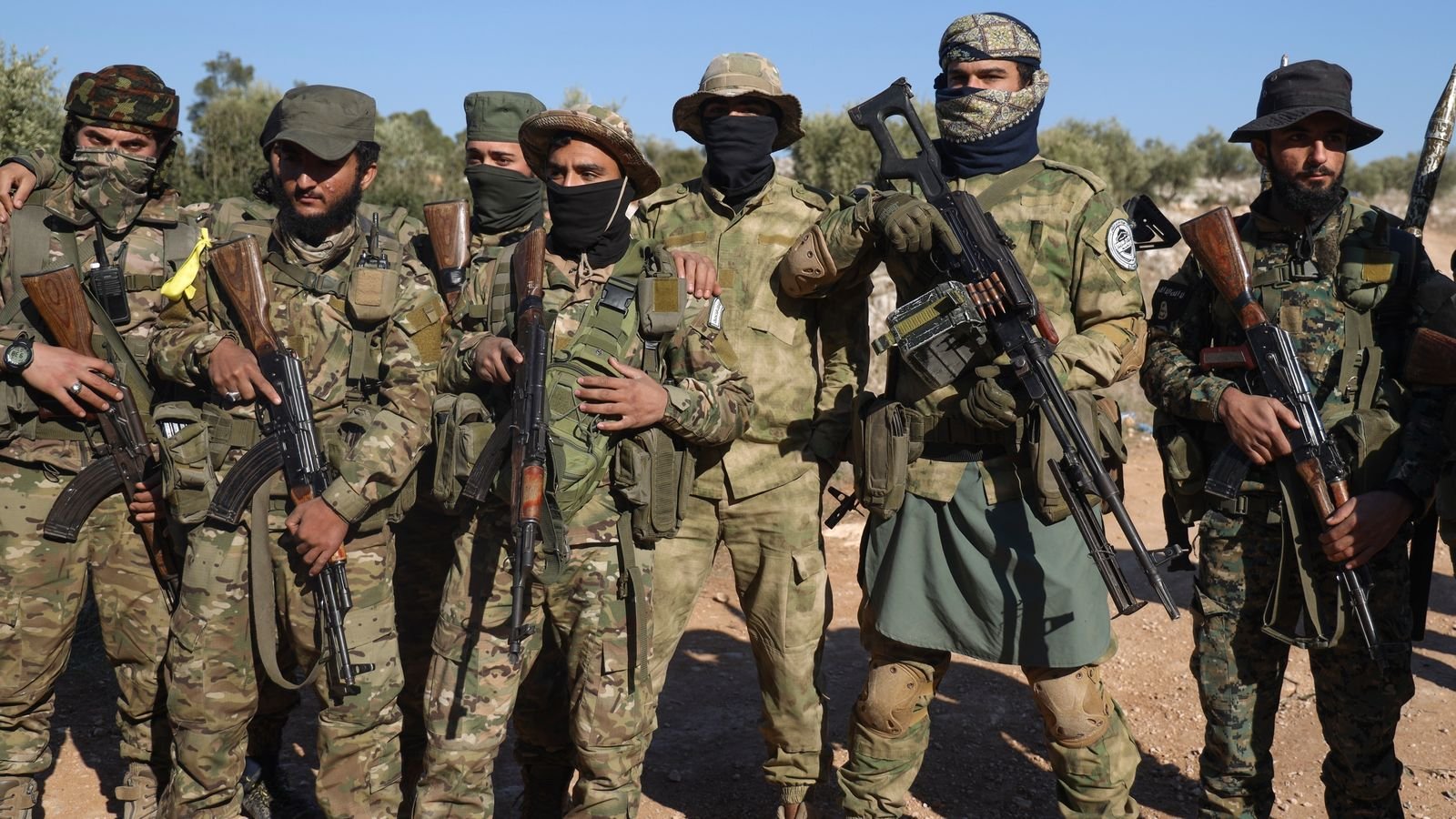


Aleppo, Syria — Rebel forces have launched a dramatic assault on the city of Aleppo, Syria’s second-largest city, marking their most significant advance in years. The offensive, which began earlier this week, has breached government defenses, threatening to upend the fragile stability maintained by the regime of President Bashar al-Assad.
Escalating Conflict
The assault comes as a response to intensified airstrikes in recent weeks by Syrian and Russian forces on rebel-held territories, particularly in Idlib province. Opposition fighters have seized key towns and villages, effectively cutting a path toward Aleppo and forcing the closure of Aleppo International Airport and major roads in the region.
According to a war monitor, the Syrian Observatory for Human Rights, this represents one of the most coordinated and large-scale rebel operations since Assad’s forces regained full control of Aleppo in late 2016.
Retaliation from the Assad Regime
Government forces have responded with heavy airstrikes targeting rebel positions. Residents in Aleppo reported intense bombardments overnight, with fighter jets flying over the city in a show of force.
State media characterized the rebel assault as a “terrorist attack” and claimed that government troops are preparing a counteroffensive to push back the insurgents.
Humanitarian Crisis Looms
The renewed fighting has sparked fears of a worsening humanitarian crisis in the war-torn region. Aleppo, which was once Syria’s commercial hub, has already suffered years of devastation, displacement, and loss during the height of the civil war.
Aid organizations are warning of a potential surge in civilian casualties and displacement if the violence continues to escalate.
Regional Implications
The battle for Aleppo underscores the ongoing volatility in Syria despite years of military victories claimed by Assad with the support of Russia and Iran. The conflict, now in its 13th year, remains a patchwork of ceasefires, fragile truces, and intermittent fighting.
The rebel offensive highlights the enduring fractures within Syria and raises questions about the regime’s ability to maintain control over strategically vital regions.
As the situation unfolds, the international community watches closely, with fears that this latest escalation could reignite broader hostilities across Syria.