
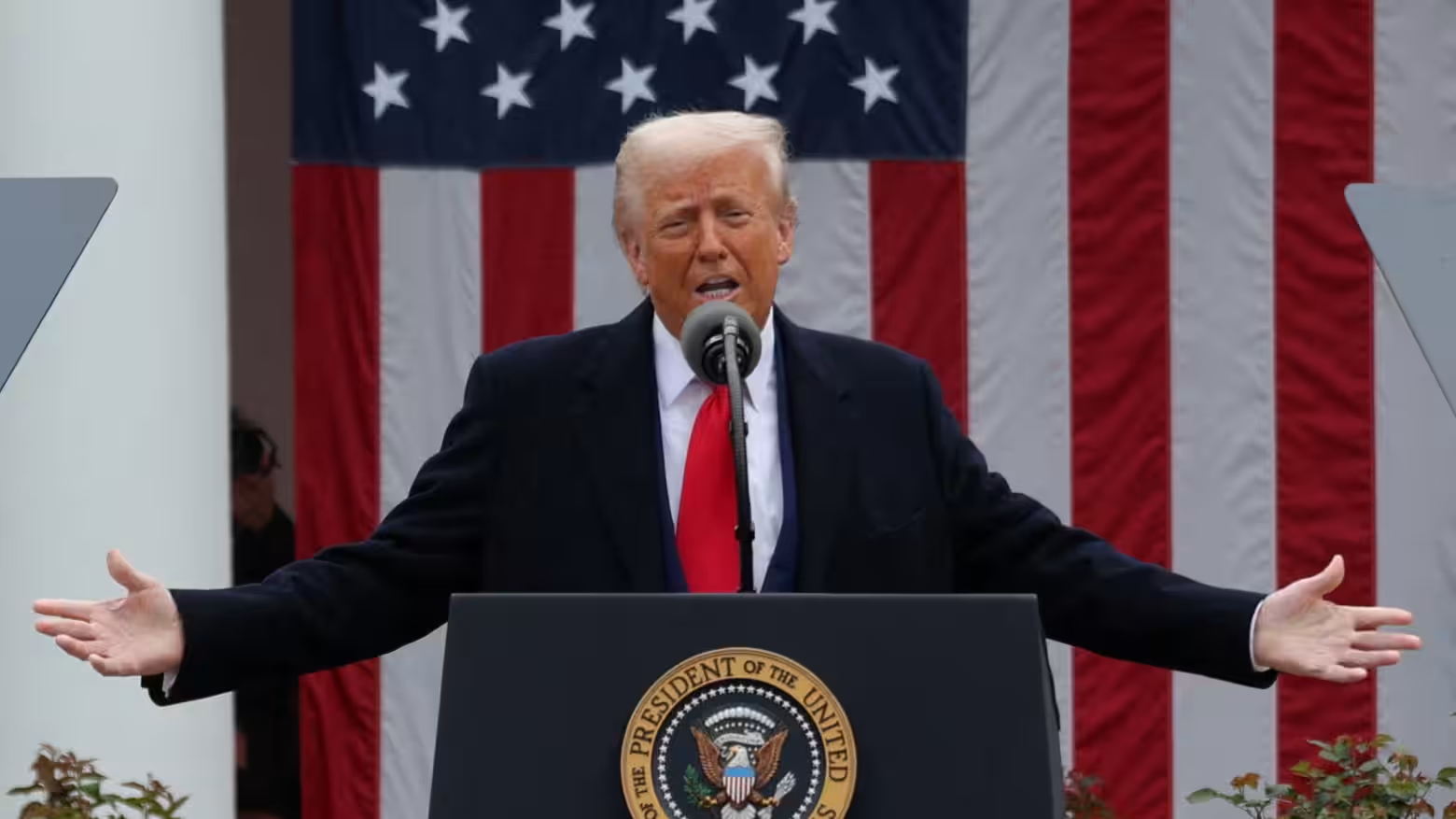


Washington, D.C., August 4, 2025 – The U.S. apparel and footwear import market, a cornerstone of global trade valued at over $100 billion annually, is facing a seismic shift as new reciprocal tariffs take effect. Announced by President Donald Trump on July 2, 2025, these tariffs impose a 20% additional duty on imports from Bangladesh and Vietnam and a 34% additional duty on imports from China, layered on top of existing Harmonized Tariff Schedule (HTS) rates. With apparel duties ranging from 0% to 32% and footwear duties from 0% to 37.5%, the total effective tariffs could push costs as high as 71.5% for some Chinese goods. As U.S. retailers brace for price hikes of 10–20%, the question looms: which Asian apparel giants—Bangladesh, China, or Vietnam—will feel the most pain, and who stands to gain in this high-stakes trade shakeup?
A New Tariff Landscape
The U.S. has long been the world’s largest apparel and footwear market, importing $80 billion in apparel and $26 billion in footwear in 2024. Asia dominates this supply chain, with China, Vietnam, and Bangladesh accounting for roughly 60% of U.S. apparel imports and over 80% of footwear imports. However, the new tariffs, effective August 1 for Bangladesh and August 7 for Vietnam, mark a dramatic escalation in U.S. trade policy aimed at leveling the playing field for domestic manufacturers and addressing trade imbalances.
- Bangladesh: Faces a 20% reciprocal tariff, down from a proposed 37%, resulting in total duties of 20%–52% for apparel and 20%–57.5% for footwear.
- Vietnam: Also secured a 20% tariff, reduced from a proposed 46%, with similar total duty ranges as Bangladesh.
- China: Bears the brunt with a 34% reciprocal tariff (down from ~54% earlier in 2025), pushing total duties to 50%–66% for apparel and 34%–71.5% for footwear. A 40% penalty tariff also applies to goods transshipped through countries like Vietnam to evade duties.
These tariffs, combined with existing HTS rates, are set to reshape sourcing strategies, consumer prices, and global trade flows. Let’s dive into how each country is affected and who might emerge as the relative winner in this tariff turmoil.
Bangladesh: A Lifeline for Apparel
Bangladesh, the world’s second-largest apparel exporter, relies on its $45 billion garment industry for 85% of its export revenue and employs 4.4 million workers, 80% of whom are women. The country supplies about 17% of U.S. apparel imports, valued at $9 billion in 2024, specializing in high-volume, low-cost items like t-shirts, jeans, and sweaters.
The 20% reciprocal tariff, negotiated down from a proposed 37%, is a significant relief for Bangladesh. For example, a cotton t-shirt with a standard 16.5% HTS duty now faces a total duty of ~36.5%, compared to a potential ~53.5% under the higher proposal. This keeps Bangladesh competitive, especially against China, where the same t-shirt incurs a ~50.5% total duty.
Why Bangladesh Wins:
- Ultra-Low Labor Costs: At ~$0.50/hour, Bangladesh’s labor costs are a fraction of Vietnam’s ($1–1.50/hour) and China’s ($3–4/hour), allowing manufacturers to absorb tariff costs while keeping prices competitive.
- Market Share Protection: The 20% tariff aligns Bangladesh with Vietnam, ensuring it retains its ~17% share of U.S. apparel imports, particularly as China’s share plummets.
- Economic Stability: The garment sector’s role as Bangladesh’s economic backbone makes the tariff reduction critical. A higher 37% tariff could have slashed exports, risking millions of jobs and economic turmoil.
Challenges Ahead:
- Limited Diversification: Bangladesh’s heavy reliance on apparel leaves it vulnerable to U.S. demand fluctuations.
- Price Hikes: A 20% tariff will still raise retail prices (e.g., a $20 t-shirt could rise to ~$24), potentially dampening demand if U.S. consumers tighten budgets.
Despite these challenges, Bangladesh’s low costs and tariff relief position it as the relative winner, maintaining its edge in the U.S. market while gaining ground against pricier Chinese imports.
Vietnam: Footwear’s Fortress Holds Strong
Vietnam has emerged as a global manufacturing powerhouse, supplying ~20% of U.S. apparel imports and over 50% of athletic footwear, valued at $10.6 billion in 2024. Its footwear dominance, driven by brands like Nike and Adidas, makes it a critical player in the U.S. market.
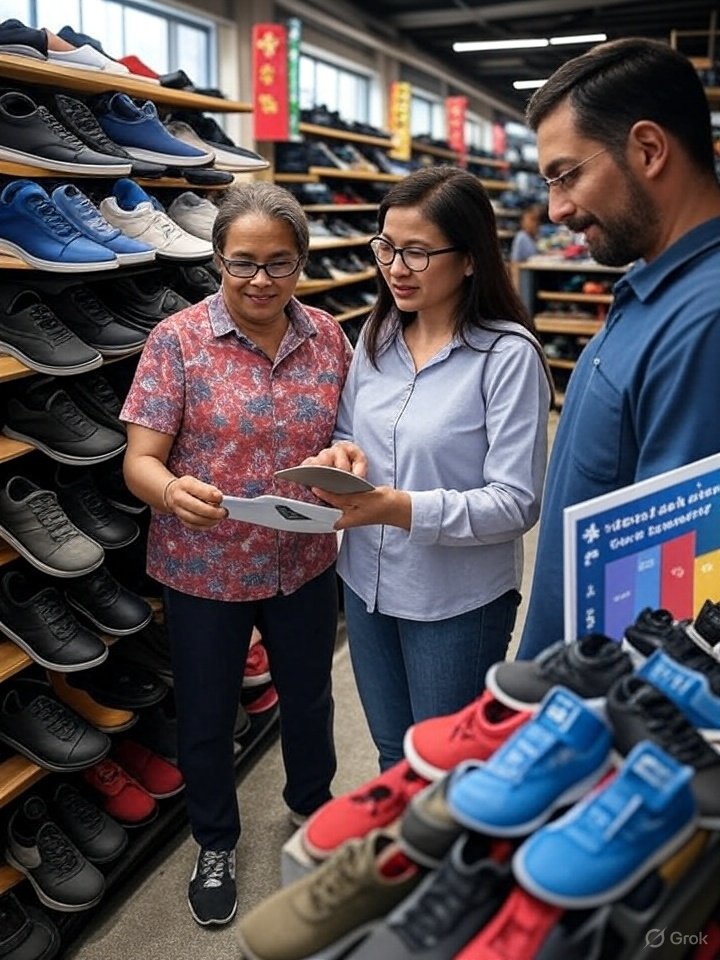
The 20% reciprocal tariff, down from a proposed 46%, is a major victory for Vietnam. For instance, a pair of sneakers with a 20% HTS duty now faces a total duty of ~40%, compared to a potential ~66% under the higher proposal. This keeps Vietnam’s footwear exports competitive, especially against China’s ~54% total duty for the same product.
Why Vietnam Benefits:
- Footwear Dominance: Vietnam’s control of over half the U.S. athletic footwear market ensures steady demand, even with moderate price increases (e.g., a $155 running shoe rising to ~$185).
- Growing Apparel Sector: Vietnam’s apparel exports, though smaller than Bangladesh’s, are expanding, benefiting from the same 20% tariff rate.
- Supply Chain Strength: Vietnam’s robust manufacturing infrastructure and proximity to global shipping routes support its role as a reliable supplier.
Pain Points:
- Transshipment Risks: Vietnam faces scrutiny for transshipping Chinese goods to evade U.S. duties, with a 40% penalty tariff for violators. This could disrupt supply chains if enforcement tightens.
- Higher Labor Costs: At $1–1.50/hour, Vietnam’s labor costs are triple Bangladesh’s, squeezing margins in labor-intensive apparel production.
Vietnam’s tariff relief secures its footwear stronghold and supports apparel growth, but its higher costs and transshipment risks make it slightly less advantaged than Bangladesh.
China: The Biggest Loser
China, once the unchallenged leader in U.S. apparel and footwear imports, is reeling from the 34% reciprocal tariff, which pushes total duties to 50%–66% for apparel and 34%–71.5% for footwear. In 2024, China supplied ~20% of U.S. apparel imports and ~30% of footwear, but its share has plummeted 52% in value year-over-year due to escalating tariffs.
The high tariffs, combined with a 40% penalty for transshipped goods, make Chinese products significantly more expensive. For example, a $155 sneaker from China could now cost ~$200+ at retail, compared to ~$185 from Bangladesh or Vietnam. This has accelerated a shift in U.S. sourcing to other Asian countries.
Why China Hurts Most:
- High Tariffs: The 34% reciprocal tariff (down from ~54% earlier in 2025) far exceeds Bangladesh and Vietnam’s 20%, eroding price competitiveness.
- Declining Market Share: A 52% drop in apparel import value signals a mass exodus of U.S. buyers to lower-tariff countries.
- Transshipment Clampdown: The 40% penalty tariff on transshipped goods limits China’s ability to reroute exports through Vietnam or other countries.
Silver Linings:
- Diversified Economy: China’s economy is less reliant on apparel and footwear exports, allowing it to pivot to other markets or industries like electronics.
- Global Reach: China can redirect exports to Europe or Asia, though this requires costly supply chain adjustments.
China’s high tariffs and shrinking U.S. market share make it the clear loser, with manufacturers facing significant revenue losses and U.S. retailers increasingly looking elsewhere.
Impact on U.S. Consumers and Retailers
The new tariffs will ripple through the U.S. retail sector, with apparel and footwear prices expected to rise 10–20%. For example:
- A $20 t-shirt from Bangladesh could increase to ~$24.
- A $155 running shoe from Vietnam might hit ~$185.
- A similar shoe from China could soar to ~$200+.
Retailers like Walmart and Target, reliant on low-cost Asian imports, face tough choices: absorb costs to maintain margins or pass increases to consumers, risking demand in an inflation-sensitive market. The Footwear Distributors and Retailers of America estimate that tariffs could cost U.S. consumers $12 billion annually, with footwear prices hit hardest due to higher baseline HTS rates.
Smaller retailers and budget-conscious consumers will feel the pinch most, while luxury brands may better absorb costs. Some companies are exploring nearshoring to USMCA countries like Mexico, but limited domestic production capacity in the U.S. makes this a long-term prospect.
Global Trade Shifts
The tariffs are reshaping global apparel and footwear supply chains:
- Bangladesh and Vietnam Gain: Their 20% tariffs position them as go-to sources for U.S. importers, potentially capturing market share from China.
- China’s Pivot: High tariffs may push China to focus on non-U.S. markets or invest in automation to offset labor costs.
- Emerging Players: Countries like Indonesia and Sri Lanka, also at 20% tariffs, could see increased U.S. sourcing, though their smaller capacities limit impact.
Who Feels the Pain Most?
China faces the most severe consequences, with its 34% reciprocal tariff driving a 52% drop in apparel import value and threatening its footwear market share. The high costs and transshipment penalties make it difficult for China to compete, forcing manufacturers to seek alternative markets or face significant losses.
Vietnam feels moderate pain, as the 20% tariff maintains its footwear dominance but pressures apparel margins due to higher labor costs and transshipment risks. Its diversified export base provides a buffer, but vigilance on compliance is critical.
Bangladesh escapes with the least pain, thanks to its low 20% tariff, rock-bottom labor costs, and focus on apparel, which aligns with U.S. demand for affordable clothing. The tariff relief safeguards its economic stability and supports continued U.S. market access.
Looking Ahead
As the U.S. navigates its trade policy, the apparel and footwear industry braces for higher prices and shifting supply chains. Bangladesh emerges as the relative winner, leveraging low costs and tariff relief to maintain its apparel stronghold. Vietnam holds steady, particularly in footwear, but must navigate transshipment challenges. China, the hardest hit, faces a steep decline in U.S. market share, underscoring the cost of trade tensions.
Advice for Stakeholders:
- Importers: Shift sourcing to Bangladesh for apparel and Vietnam for footwear, but verify HTS codes via the U.S. International Trade Commission (https://www.usitc.gov) and consult customs brokers to avoid penalties.
- Retailers: Prepare for price hikes and communicate value to consumers, while exploring sourcing diversification.
- Policymakers: Bangladesh and Vietnam should invest in supply chain efficiency, while China may need to bolster non-U.S. export markets.
For the latest updates, monitor U.S. Customs and Border Protection (https://www.cbp.gov) and trade news, as ongoing negotiations could further reshape this dynamic landscape. The apparel and footwear trade war is far from over, but for now, Bangladesh stands poised to weather the storm best.
Sources: U.S. International Trade Commission, Reuters, CNBC, FASH455 Global Apparel & Textile Trade and Sourcing, Footwear Distributors and Retailers of America.