
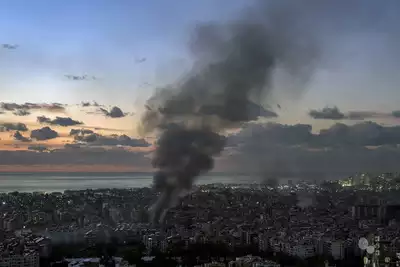


November 27, 2024 — A ceasefire agreement between Israel and Hezbollah has officially taken effect, offering a potential respite from weeks of escalating tensions along Israel’s northern border. The deal, brokered by U.S. envoy Amos Hochstein, is being described as a major diplomatic breakthrough aimed at achieving a “permanent cessation of hostilities.”
Details of the Ceasefire
The agreement, approved by Israel’s Cabinet earlier this week, calls for an immediate halt to cross-border attacks between Israeli forces and Hezbollah militants operating in southern Lebanon. Both sides have reportedly agreed to return to pre-conflict conditions, including the withdrawal of troops and dismantling of temporary defensive structures.
In a statement, President Joe Biden hailed the deal as a victory for diplomacy, emphasizing its potential to bring stability to a region long plagued by violence. “This ceasefire is designed to be a permanent cessation of hostilities,” Biden said, underscoring the U.S. role in facilitating the negotiations.
Hezbollah’s Response
Hezbollah, the Iran-backed militant group, has not officially commented on the ceasefire but signaled compliance by halting rocket fire overnight. Analysts believe the group agreed to the terms under pressure from both regional allies and internal Lebanese factions concerned about the humanitarian toll of continued conflict.
Impact on Civilians
The ceasefire has been met with cautious optimism by residents in northern Israel and southern Lebanon. Thousands of displaced families are now attempting to return to their homes, hoping the truce will hold. Humanitarian organizations have begun assessing damages and delivering aid to affected areas on both sides of the border.
“It’s a relief to see quiet return, but we’ve seen ceasefires collapse before,” said a resident of Kiryat Shmona, a northern Israeli town that faced repeated rocket attacks.
Regional Dynamics
The truce comes amid ongoing turmoil in Gaza, where Israel is engaged in a separate conflict with Hamas. While the ceasefire with Hezbollah does not directly affect Gaza, it allows Israel to focus its military efforts in the south without the threat of a two-front war.
The agreement also reflects broader U.S. efforts to stabilize the Middle East, with Hochstein playing a central role in mediating talks between Israel, Lebanon, and other key stakeholders.
Challenges Ahead
Skeptics caution that maintaining the ceasefire will require significant diplomatic engagement and restraint from both parties. Hezbollah’s deep ties to Iran and Israel’s insistence on maintaining security along its borders could create flashpoints for renewed conflict.
“This is a significant step, but the underlying issues remain unresolved,” said a Middle East analyst. “The region’s stability depends on long-term solutions, not just temporary truces.”
What’s Next?
Both Israel and Hezbollah are expected to face scrutiny over their adherence to the ceasefire terms in the coming weeks. International monitors may be deployed to ensure compliance, while the U.S. and other mediators continue to push for broader peace initiatives in the region.
The ceasefire offers a rare glimmer of hope in a volatile region, but its durability remains uncertain. As families begin to rebuild and displaced communities return home, all eyes are on the leaders to ensure this truce marks the start of lasting peace rather than another fleeting pause in hostilities.