


September 12, 2024
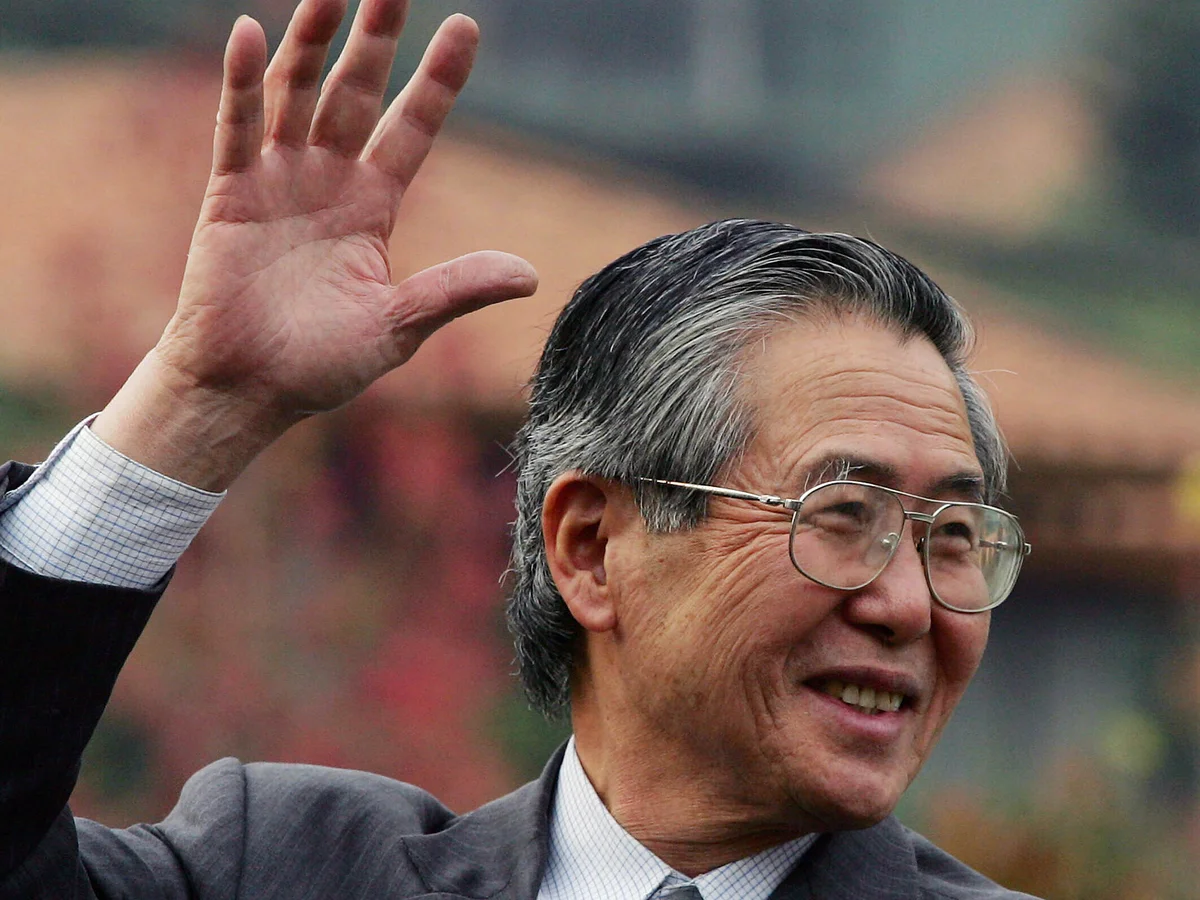
Alberto Fujimori, the former President of Peru, has passed away at the age of 85. Fujimori, who led Peru from 1990 to 2000, is remembered for his profound impact on the country’s economic and political landscape.
Remarkable Contributions and Legacy
Fujimori’s presidency was marked by significant economic reforms and anti-corruption measures. His tenure saw the stabilization of Peru’s economy through aggressive neoliberal policies, including privatization of state-owned enterprises and reduction of inflation. Under his leadership, Peru experienced rapid economic growth, which earned him both praise and criticism.
Additionally, Fujimori’s administration is credited with substantial efforts to combat the Shining Path and Tupac Amaru Revolutionary Movement, two major insurgent groups that had destabilized the nation. His anti-terrorism campaigns, while controversial, were seen as pivotal in restoring security to many parts of Peru.
Controversies and Challenges
Despite his achievements, Fujimori’s presidency was marred by allegations of corruption and human rights abuses. His administration faced criticism for authoritarian practices and the abuse of power. In 2007, Fujimori was arrested and later convicted of corruption and human rights violations, which significantly affected his legacy.
End of an Era
Fujimori’s death marks the end of a complex chapter in Peru’s modern history. His contributions to economic reform and counter-terrorism remain a significant part of his legacy, even as his presidency continues to be a subject of debate.
Alberto Fujimori’s passing prompts reflection on both the achievements and controversies of his time in office. As Peru and the world remember his impact, the complexities of his legacy will continue to shape discussions about his role in Peruvian history.
