
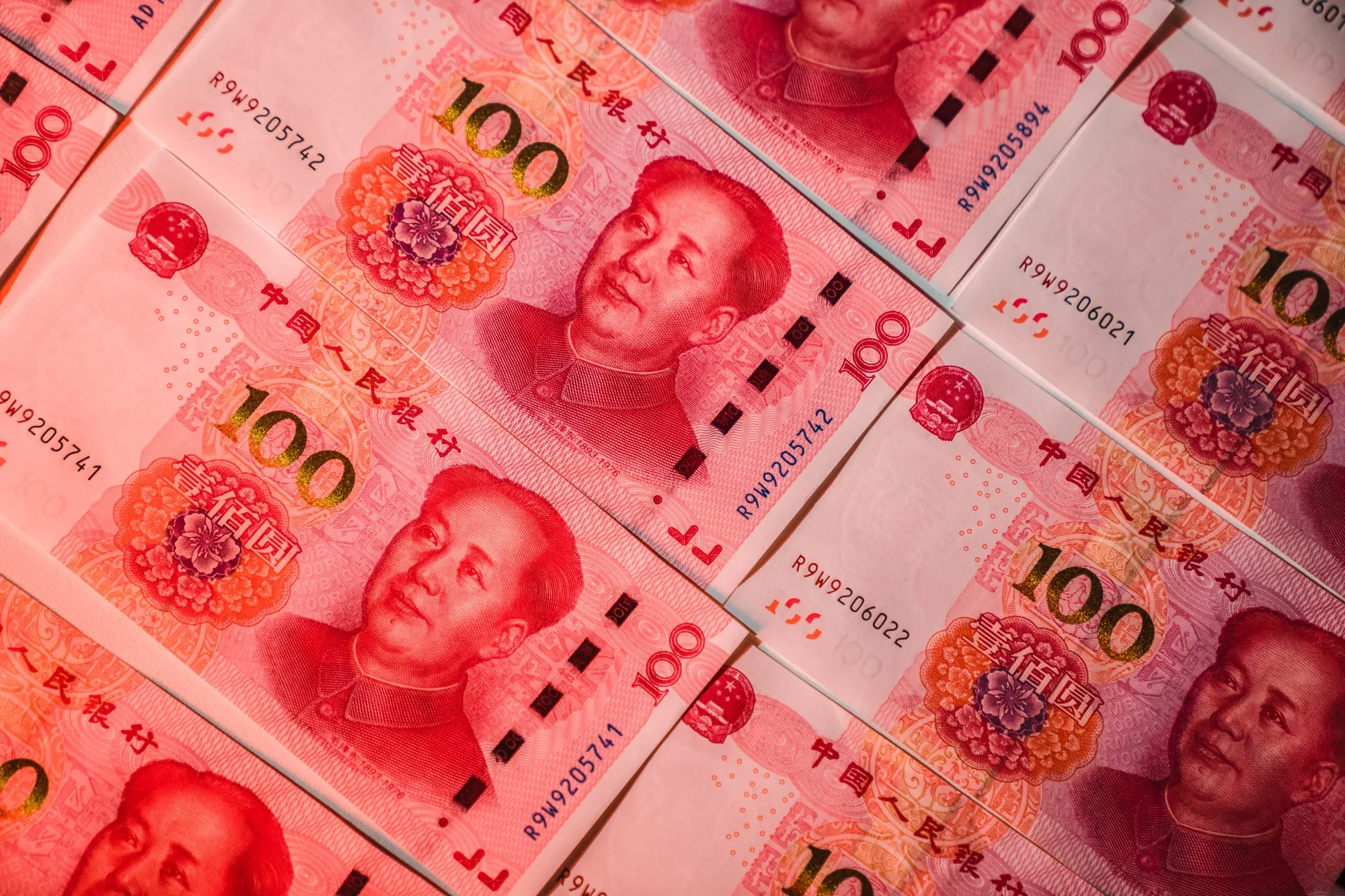


December 14, 2024 — Global currency markets are on edge as reports emerge that China may consider allowing its currency, the yuan, to weaken in response to ongoing economic tensions with the United States. The potential move comes amid heated trade disputes and fresh concerns over currency manipulation.
Yuan Devaluation: A Strategic Shift?
China is reportedly weighing the option of a weaker yuan to counteract the impact of U.S. tariffs and bolster its export-driven economy. This strategic consideration has reignited fears of a currency war, a scenario in which nations devalue their currencies to gain competitive advantages in global trade.
Trump Adviser Issues Warning
Former U.S. President Donald Trump’s trade adviser has cautioned against what he calls “blatant currency manipulation,” warning that such actions could destabilize global markets. The adviser stated:
“Any attempt by China to weaken the yuan further will be met with decisive measures to protect American interests.”
The warning underscores lingering trade tensions, with the U.S. accusing China of using currency tools to undermine American competitiveness.
Dollar Strengthens Post-CPI Report
Meanwhile, the U.S. dollar saw gains following the release of the Consumer Price Index (CPI) report, which showed inflation largely in line with expectations. The dollar’s rise is also attributed to growing speculation about potential Federal Reserve actions, including a rate cut next year.
Economic Ripples
China’s possible currency adjustment could have widespread repercussions:
- For China: A weaker yuan might help exporters but risks capital flight and inflation.
- For the U.S.: The move could exacerbate trade imbalances and increase pressure on American manufacturers.
- Globally: Emerging markets, heavily reliant on stable exchange rates, could face volatility.
Rare Metals Export Ban
In a related move, China has banned the export of certain rare metals critical to technology and defense sectors, further escalating economic tensions with the U.S. This ban is seen as a calculated countermeasure to U.S. trade policies.
Looking Ahead
Currency markets are bracing for further developments as both nations navigate this high-stakes economic standoff. Economists warn that prolonged tensions could disrupt global supply chains and impact investor confidence.
Market watchers are keeping a close eye on Beijing’s next steps, with any yuan devaluation likely to prompt swift responses from Washington.