
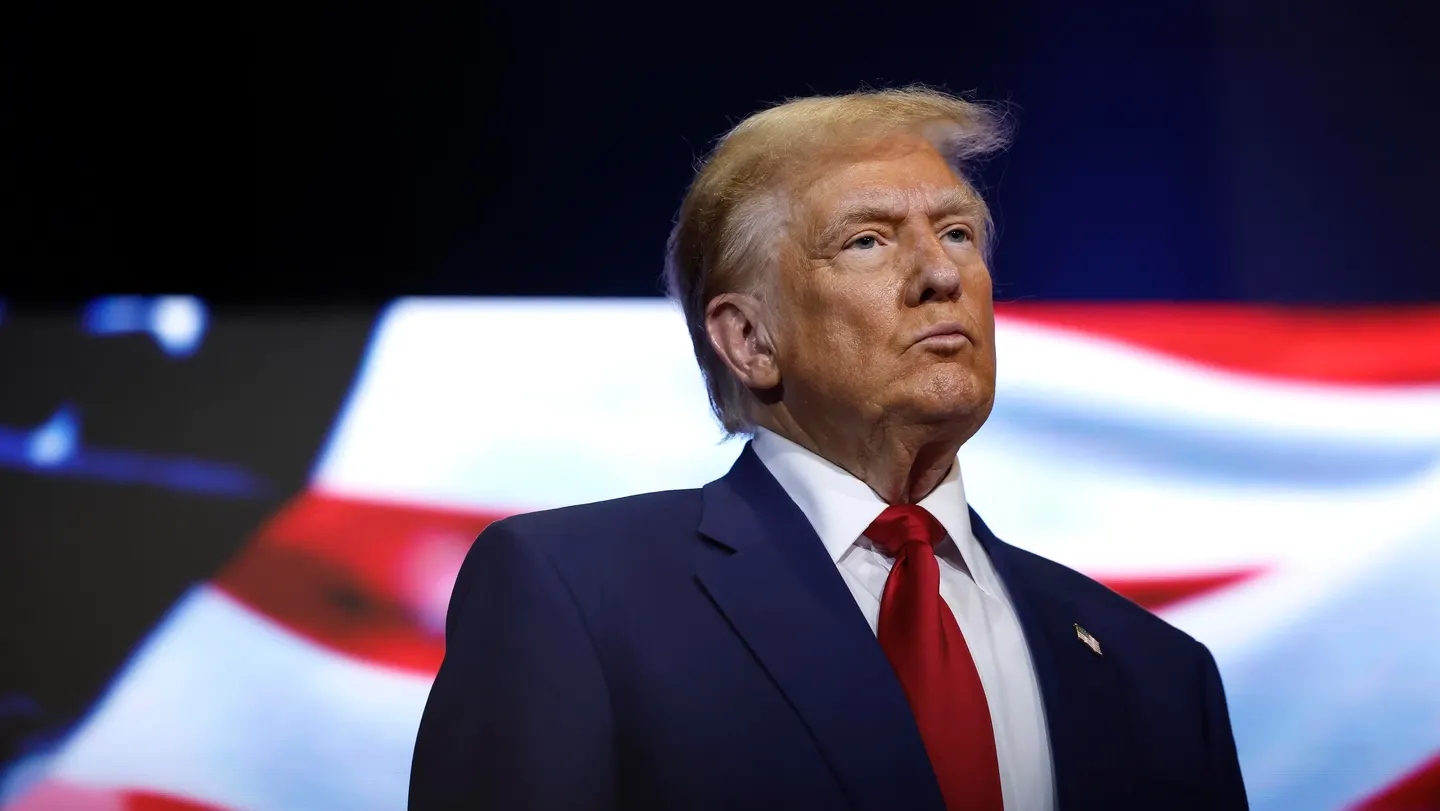


President Donald Trump has long been vocal about his desire to eliminate the U.S. Department of Education, a stance that has recently resurfaced with support from figures like Elon Musk. Trump has repeatedly vowed to shutter the agency, which was created in 1979 under President Jimmy Carter, and return control over education to individual states. The move would mark a significant shift in U.S. education policy, with potential far-reaching implications for funding, civil rights enforcement, and educational oversight.
Trump’s stance on the Department of Education is rooted in his criticism of federal involvement in public education. He has repeatedly called the department an example of government overreach, suggesting that the U.S. spends disproportionately on education compared to other nations, yet ranks poorly in educational outcomes. Citing the U.S. ranking 12th in global education, according to U.S. News & World Report, Trump argues that the country’s public education system is underperforming despite high levels of government investment.
In a 2023 video message, Trump further condemned the department’s role, claiming it was staffed by individuals who “in many cases, hate our children,” a baseless accusation that has been widely disputed. Trump’s solution, as he has stated in various speeches, is to allow states to manage education directly, asserting that local governance would lead to better results. “You can’t do worse,” he has claimed, indicating that decentralization would improve the system overall.
The push to close the Department of Education is part of Trump’s broader Agenda47, a set of proposals that formed the basis of his campaign platform during the primary election season. This plan, which also includes Project 2025—a multi-faceted initiative developed by the Heritage Foundation and other conservative organizations—aims to overhaul several aspects of government, including the removal of federal oversight in education.
While Trump’s plan to eliminate the Department of Education has been consistently advocated, many experts warn that such a move would have significant consequences. One key concern is the impact on federal funding for K-12 schools. The Department of Education plays a vital role in distributing billions of dollars annually to public schools, particularly those in low-income areas. Without the department, the allocation of federal funds and resources could be left in a state of uncertainty, potentially leading to disparities across the country.
Additionally, the closure of the department could impede the enforcement of civil rights protections within schools. The department is responsible for ensuring that federal policies prohibiting discrimination on the basis of race, disability, and gender are upheld. A loss of this oversight could undermine protections for marginalized groups and lead to increased inequality in education.
Trump’s education proposals also suggest that, should the Department of Education be dismantled, certain policies, like funding cuts for schools teaching critical race theory or “transgender insanity,” would be transferred to the states. In the absence of a federal framework, states would have the authority to shape educational standards and teacher qualifications, which could lead to a patchwork of educational experiences across the nation.
Though Trump’s call to close the Department of Education remains a centerpiece of his platform, it remains unclear how such a dramatic policy shift would be implemented. The challenges of transitioning education responsibilities to the states, especially in terms of funding allocation and regulatory enforcement, would likely complicate the process.