
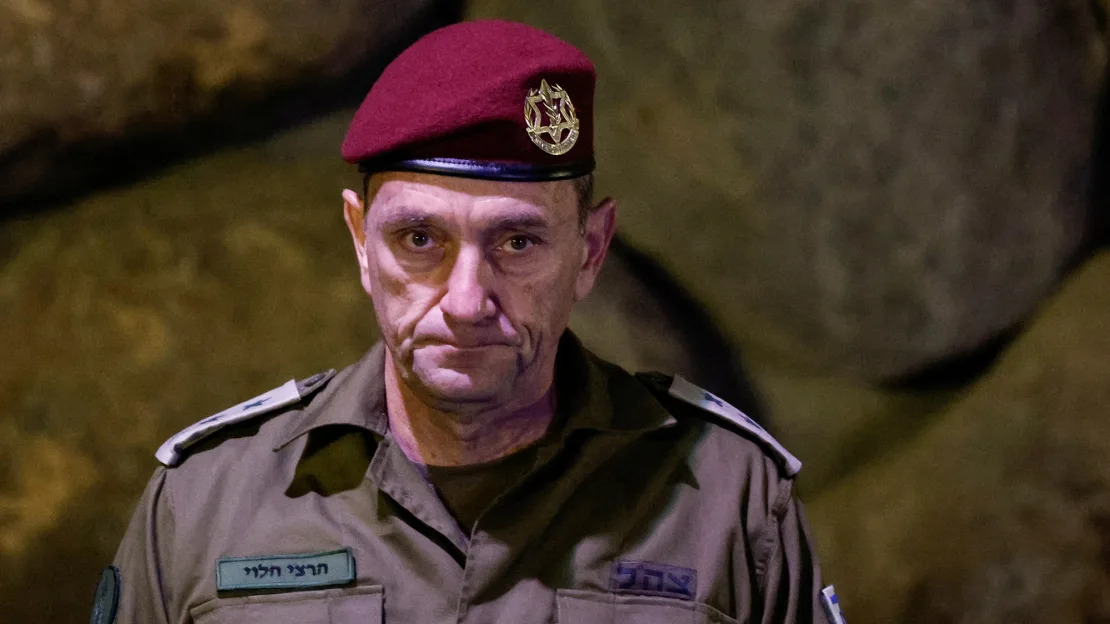


Israeli military leaders have recently indicated that their operations in Gaza and Lebanon have reached a critical juncture, suggesting that their objectives may have been achieved. This declaration raises pressing questions about the future course of action and whether Prime Minister Benjamin Netanyahu will heed the military’s assessment or pursue further escalation.
In a press briefing on Tuesday, top commanders expressed confidence in the successful completion of their missions, which primarily targeted militant infrastructure and aimed to deter future attacks from groups like Hamas and Hezbollah. “We have significantly weakened the capabilities of our adversaries,” one high-ranking official stated, reflecting a consensus among military brass about the effectiveness of recent operations.
Despite the military’s claims of success, the political landscape remains fraught with tension. Netanyahu has historically faced criticism for his handling of security matters, and the pressure to maintain a tough stance against perceived threats persists. Analysts suggest that while the military may believe its objectives have been met, Netanyahu’s decisions will be influenced by various factors, including domestic political pressures, international relations, and the humanitarian situation on the ground.
The ongoing conflict has resulted in significant civilian casualties and widespread destruction, particularly in Gaza, prompting calls from international leaders for a reevaluation of military strategies. Reports from humanitarian organizations indicate that the situation in the region remains dire, with urgent needs for medical assistance and basic supplies. In light of these realities, some believe that Netanyahu may be compelled to shift his focus toward diplomacy and humanitarian efforts.
However, the Prime Minister’s past actions indicate a preference for a hardline approach, especially in the face of escalating hostilities. Observers note that the military’s declaration could serve as a critical turning point, but the question remains whether Netanyahu will prioritize military assessments or adhere to a more aggressive strategy.
The tension between military leadership and political decision-making is further complicated by rising public sentiment in Israel, where citizens are increasingly concerned about security and the cost of continued conflict. Polls show a growing desire for a resolution to the violence, particularly among families who have been affected by the recent wave of attacks.
As the situation evolves, Netanyahu faces a pivotal moment in determining the next steps for Israel’s military and diplomatic strategy in the region. Will he heed the military’s call for de-escalation, or will he continue on a path of confrontation? The outcome of this decision will significantly impact the future of Israeli-Palestinian relations and the broader stability of the Middle East.
In the coming days, the Prime Minister’s response will be closely monitored, both within Israel and by the international community, as they await a signal of his intentions amid this critical juncture.