
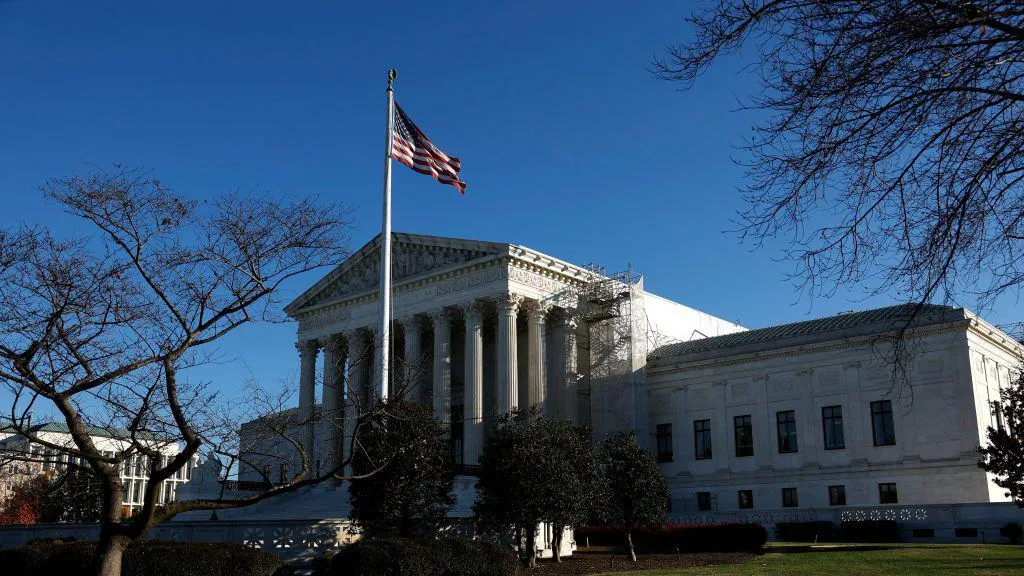


The U.S. Supreme Court on Wednesday signaled hesitation in overturning Tennessee’s 2023 law banning hormone therapy and puberty blockers for minors under 18. The contentious hearing marks the first major debate on transgender rights before the current conservative-majority court, with its ruling expected to set a precedent for similar laws in 25 other states.
The Arguments
Opponents of the Tennessee law argue that it violates the Equal Protection Clause of the U.S. Constitution. Three transgender teenagers, supported by their parents and a physician, contend that the law unfairly discriminates based on sex, denying necessary medical care to transgender youth.
“By targeting transgender individuals specifically, this law singles them out for exclusion and harm,” said an attorney representing the plaintiffs. The case highlights a central question: whether such state-level bans constitute unlawful discrimination or fall within a state’s authority to regulate healthcare.
Tennessee officials defending the law claim that the restrictions aim to protect minors from irreversible decisions and align with the state’s responsibility to regulate medical practices. “These measures are designed to safeguard children from potential harm during their formative years,” argued the state’s solicitor general.
Broader Implications
The court’s decision, expected in mid-2024, will have far-reaching consequences for the nearly 30 states currently implementing or considering similar laws. Legal experts note that the ruling could also clarify the scope of constitutional protections related to gender identity and healthcare.
Tennessee’s law is part of a growing wave of legislation addressing transgender rights, particularly in healthcare, education, and sports. Proponents argue these laws protect children and parental rights, while critics view them as discriminatory measures perpetuating a culture war over LGBTQ+ issues.
A Conservative-Heavy Bench
The Supreme Court’s conservative majority—bolstered during Trump’s presidency—has shown a willingness to rule on divisive cultural issues, as evidenced by its recent decisions on abortion and affirmative action. However, some justices appeared cautious during Wednesday’s arguments, focusing on legal precedents and the balance of state versus federal authority.
Justice Brett Kavanaugh questioned whether the law intrudes on fundamental rights but acknowledged the complexities of regulating emerging medical treatments. Justice Amy Coney Barrett expressed concerns about potential overreach in how such bans are applied.
Public Reactions
The case has drawn widespread attention, with protests outside the Supreme Court and statements from advocacy groups on both sides of the debate. LGBTQ+ organizations have called the Tennessee law an attack on vulnerable youth, while conservative groups argue it protects children from being rushed into life-altering decisions.
“We’re fighting for the right of every transgender young person to receive the care they need to thrive,” said a spokesperson for the Human Rights Campaign. Meanwhile, a representative from the Family Research Council praised the law as “a necessary safeguard against experimental treatments.”
A Nation Divided
The Tennessee case encapsulates the broader national debate over transgender rights and healthcare, reflecting deep political and social divides. As the Supreme Court deliberates, the ruling will likely influence legislative and judicial battles across the country, potentially reshaping the landscape of transgender healthcare in America.