
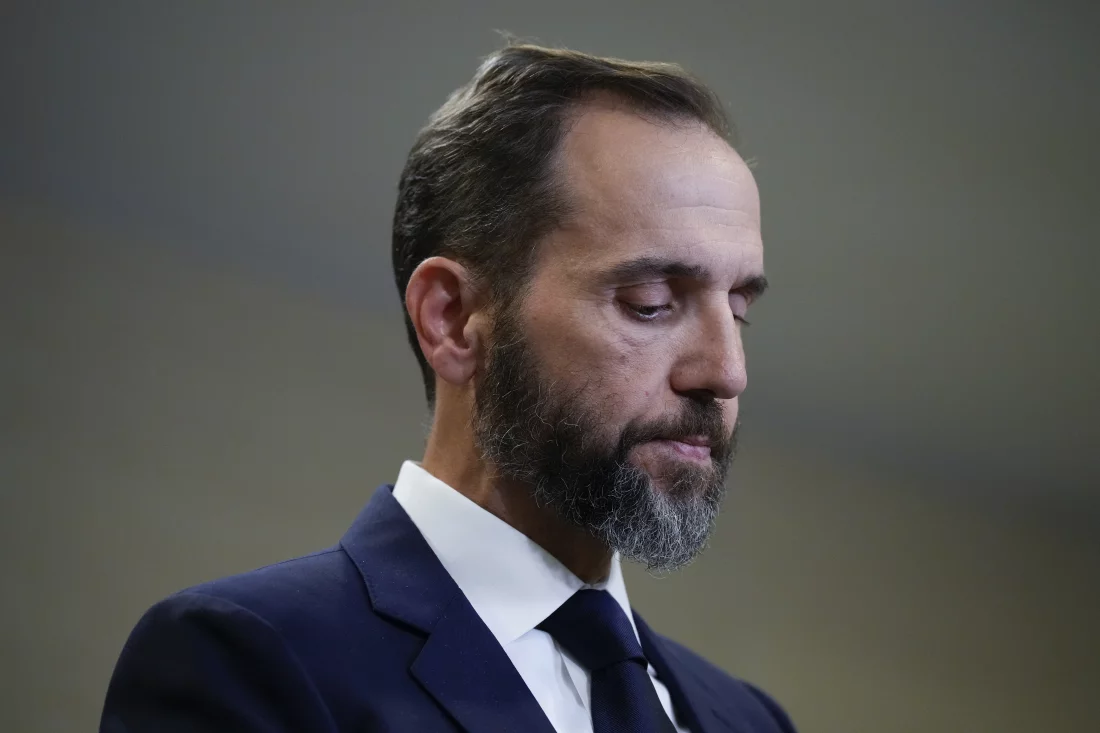


Special Counsel Jack Smith is reportedly moving to wrap up federal investigations and cases against President-elect Donald Trump before the upcoming inauguration on January 20, 2025. With the former president set to assume office once more, Smith’s team is working to bring ongoing legal matters to a conclusion, balancing the complex demands of federal prosecution with the potential shift in executive power.
Smith’s Strategy to Resolve High-Profile Cases
Smith, who was appointed to lead several probes into Trump’s actions both during and after his first term, has directed his office to assess which cases can realistically be closed or see significant progress prior to the transition of power. According to sources close to the matter, Smith’s goal is to ensure that any findings or resolutions are clearly established before Trump’s inauguration. Smith’s efforts reflect an understanding of the logistical and legal challenges that may arise once Trump officially retakes office, where executive authority could impact ongoing federal cases.
Among the cases overseen by Smith’s team are probes into Trump’s alleged mishandling of classified documents, attempts to overturn the 2020 election, and various other federal investigations linked to his previous administration and private business dealings. The approach reportedly involves prioritizing investigations with substantial evidence and those where charges could be conclusively addressed in the short term.
Navigating Legal Challenges with a Limited Timeline
The timeline for federal prosecutions is limited, and experts note that Smith’s strategy indicates an acknowledgment of the hurdles the Department of Justice (DOJ) might face once Trump is in office. Former federal prosecutor Linda Wallace commented, “The urgency here is not only procedural but strategic. Once a president-elect takes office, it can complicate DOJ processes, especially in cases that could involve executive privilege.”
Smith’s team is also evaluating which cases may need to continue post-inauguration, taking into account both legal precedents and potential shifts in DOJ policy. While some cases could be concluded before January, legal experts anticipate that certain issues may remain unresolved, leaving Smith’s office to assess their next steps in balancing prosecution integrity with the operational constraints tied to Trump’s presidential powers.
Public Reactions and the Path Forward
News of Smith’s intentions has prompted varied reactions. Some observers express concern that an accelerated process could lead to oversight or compromise thorough investigation. Others argue that finalizing cases now may help preserve the independence of federal law enforcement, regardless of changes in the executive branch.
As the January 20 date approaches, attention is likely to remain on Smith and his office’s actions in navigating the unprecedented task of prosecuting a president-elect.