
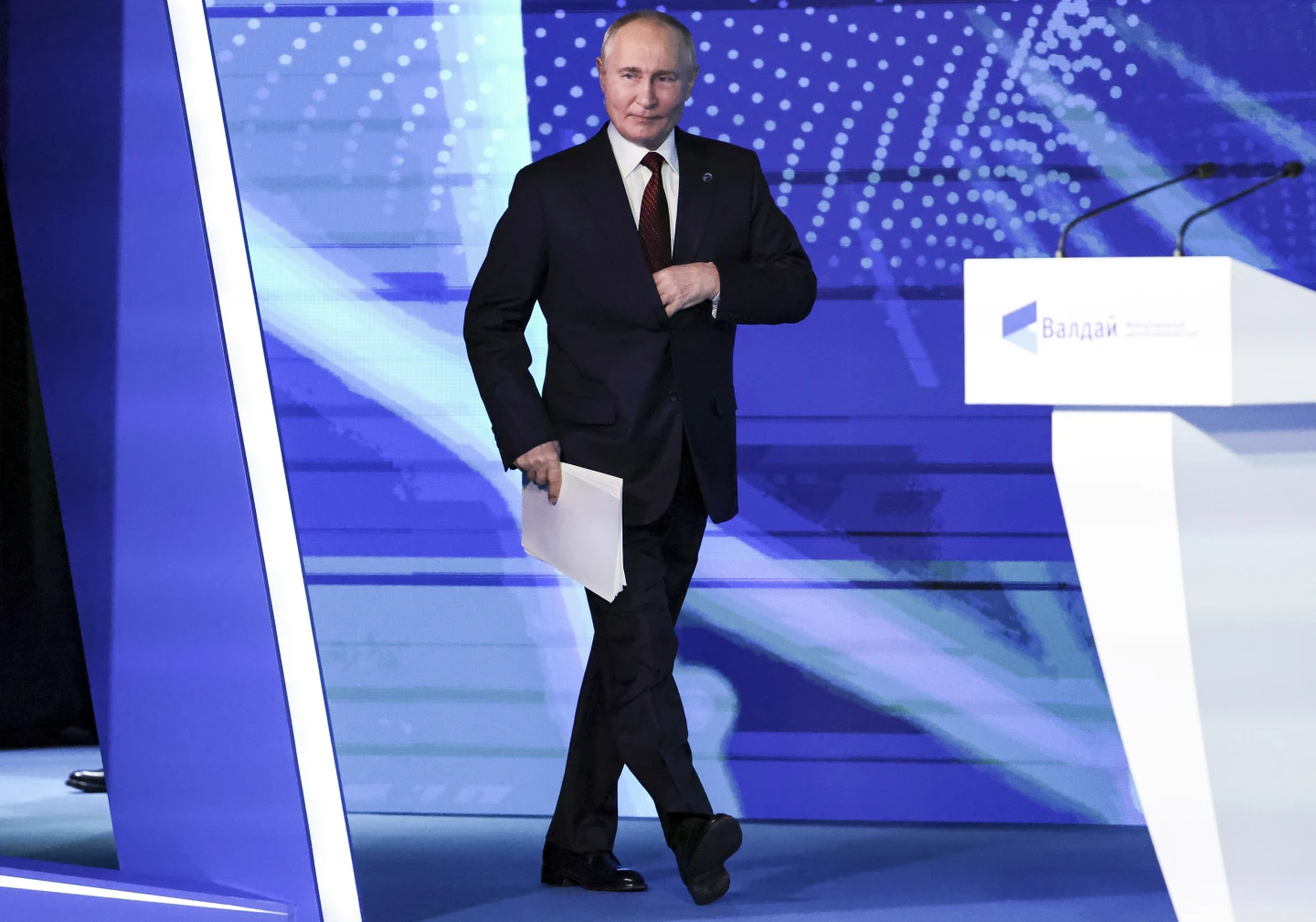


In a stunning development, Russian President Vladimir Putin has congratulated former President Donald Trump on his anticipated victory in the 2024 U.S. presidential election. Putin’s warm message of congratulations signals a potential shift in U.S.-Russia relations and marks a pivotal moment in the race for control of the U.S. House of Representatives. With the political landscape in the U.S. becoming more contentious, Putin’s remarks have added fuel to the already intense electoral battle.
Putin’s Praise for Trump
In his congratulatory message, Putin expressed admiration for Trump’s political acumen and leadership, further cementing the close relationship the two leaders established during Trump’s first term in office. Putin has long been a vocal critic of U.S. foreign policy and has cultivated a rapport with Trump, which many analysts believe could lead to a recalibration of U.S.-Russia relations. Putin’s statement also included an invitation for dialogue, suggesting that Russia is ready to engage in talks on various global issues, including security and diplomacy.
The congratulatory message comes at a time when the U.S. political scene is deeply divided. Trump’s re-election bid has sparked both fervent support and vocal opposition, with the control of the House of Representatives becoming a major battleground. As the race intensifies, Putin’s timely endorsement is sure to send ripples through the American political establishment, as well as the global community.
The Impact on the U.S. Election
While Putin’s message of support may be seen as a diplomatic maneuver, it raises questions about the potential implications for U.S. foreign policy under a second Trump administration. Trump has repeatedly expressed admiration for Putin and has been criticized for his relatively warm stance toward Russia during his previous presidency. His response to Putin’s congratulations will likely set the tone for future interactions between the two countries, particularly in the context of the ongoing war in Ukraine and broader geopolitical tensions.
As the race for the House of Representatives heats up, with Republicans vying to retain their majority, Trump’s relationship with Putin may become a key issue for voters. Critics of Trump argue that his cozy ties with the Russian leader could undermine U.S. interests and global security, while his supporters view it as a pragmatic approach to international diplomacy. The growing influence of foreign powers in U.S. elections continues to be a point of concern for both sides of the political aisle.
Celibacy Movement Gains Momentum After Trump’s Win
In an unexpected cultural shift, a movement calling for celibacy among straight women has gone viral in the wake of Trump’s election victory. The movement, which advocates for women abstaining from sex as a form of empowerment, has garnered significant attention on social media platforms, sparking debates about gender roles, politics, and the intersection of personal choices and public life.
Supporters of the celibacy movement argue that it is a response to the perceived degradation of societal values, and many view it as a form of protest against what they see as a politically charged climate under Trump’s leadership. Some proponents claim that abstaining from relationships and sexual activity is a way for women to reclaim control over their bodies and assert their independence in a time of political polarization.
While the movement has sparked widespread discussion, it has also drawn criticism from those who argue that it reinforces harmful gender stereotypes and undermines women’s autonomy. As the debate continues to unfold, the viral nature of the celibacy movement highlights the broader social and cultural shifts that often accompany major political events.
As the political climate in the United States continues to evolve, the implications of Putin’s congratulations and the rise of the celibacy movement are yet to be fully understood. With the House elections nearing and Trump’s influence at the forefront of American politics, the coming months will undoubtedly be critical in shaping the future direction of the U.S. and its role on the global stage.