
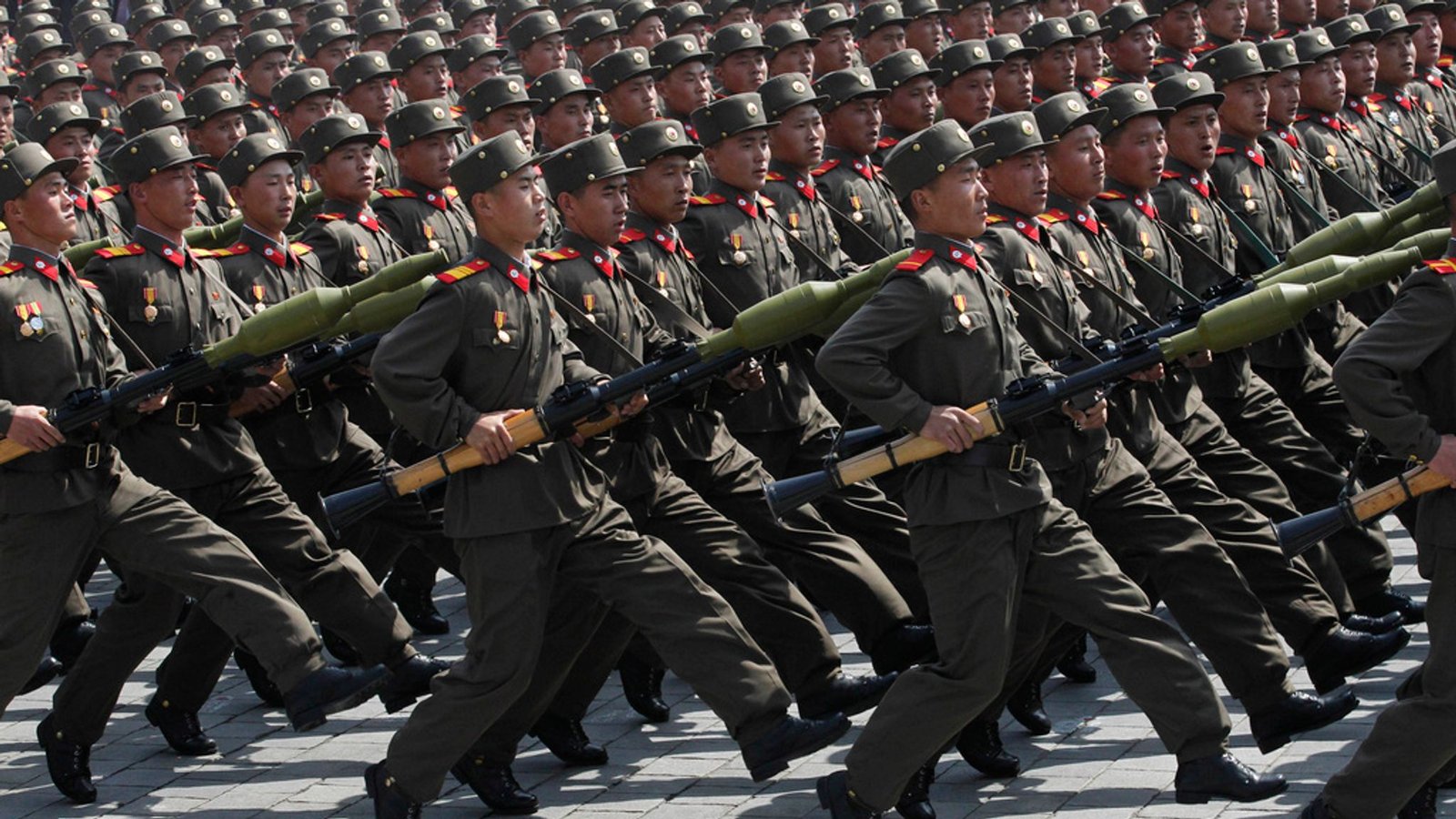


Reports indicate that North Korean soldiers have arrived on Russia’s front lines, adding a new layer to the dynamics of the ongoing conflict in Ukraine. While this deployment marks a notable deepening of military cooperation between Russia and North Korea, questions remain about the readiness and capabilities of these North Korean troops.
Who Are the North Korean Soldiers?
The first wave of North Korean troops arriving in Russia appears to consist mostly of younger men with physiques that don’t suggest elite military status. This has led to speculation about the type of forces Pyongyang has sent to support Moscow. Unlike Kim Jong Un’s highly trained Special Forces, these initial deployments may be part of a broader strategy to test the waters without committing the country’s top-tier units. Some analysts suggest that the troops could be conscripts or lower-ranking soldiers rather than members of North Korea’s elite military divisions.
Why Is North Korea Supporting Russia?
The deployment follows a series of high-level meetings between North Korean leader Kim Jong Un and Russian President Vladimir Putin, indicating a closer alliance between the two countries. This cooperation comes at a time when both nations face heightened international isolation—Russia due to its invasion of Ukraine and North Korea because of its nuclear program. For North Korea, supporting Russia’s war effort could be a strategic move to secure military and economic aid, as well as bolster its geopolitical standing. Additionally, it allows Pyongyang to project its influence beyond the Korean Peninsula while keeping its most elite troops in reserve.
Challenges in Readiness and Integration:
The readiness of these North Korean soldiers to engage in combat alongside Russian forces is uncertain. There are potential challenges related to language barriers, differences in military training standards, and coordination with Russian units. Unlike North Korea’s more experienced Special Forces, these soldiers may lack exposure to combat situations, especially on a front as intense as the conflict in Ukraine. This could limit their effectiveness in the short term.
Furthermore, logistical coordination between the Russian military, which is already stretched thin in parts of the Ukrainian conflict, and these newly arrived North Korean troops could present additional challenges. Integrating foreign troops into an active battle zone is a complex task, and it remains unclear how these North Korean units will be deployed—whether in direct combat roles or as support units.
Why Hold Back the Elite Troops?
Kim Jong Un’s decision to withhold his elite forces might be a calculated move. By sending less experienced troops, North Korea can test the situation and assess Russia’s strategic needs without risking its most capable soldiers. This approach also allows Pyongyang to keep its best-trained troops available for other contingencies closer to home, particularly as tensions with South Korea and the United States persist.
Additionally, maintaining a strong elite force at home serves as a deterrent to any regional threats and preserves North Korea’s military strength. Deploying less critical units to the front line in Russia may be a way for Kim to show support without fully committing to the conflict.
Strategic Implications:
The presence of North Korean soldiers in Russia adds a new dimension to the conflict in Ukraine and raises concerns among Western nations. While these troops may not have the same combat capabilities as more seasoned fighters, their deployment underscores the deepening alliance between two isolated regimes. It also signals North Korea’s willingness to support Russia in exchange for potential benefits, such as military technology or economic aid.
For Ukraine and its allies, the arrival of North Korean troops could mean additional pressure on certain front lines, even if their immediate impact is limited. It also highlights the broader international implications of the conflict, with adversaries of the West finding common cause against a backdrop of global tensions.
As these North Korean forces settle into their roles on the Russian front lines, their effectiveness and the extent of their involvement will become clearer. The situation is a reminder of the unpredictable nature of alliances in times of conflict and the lengths to which isolated regimes like North Korea and Russia might go to support each other.