
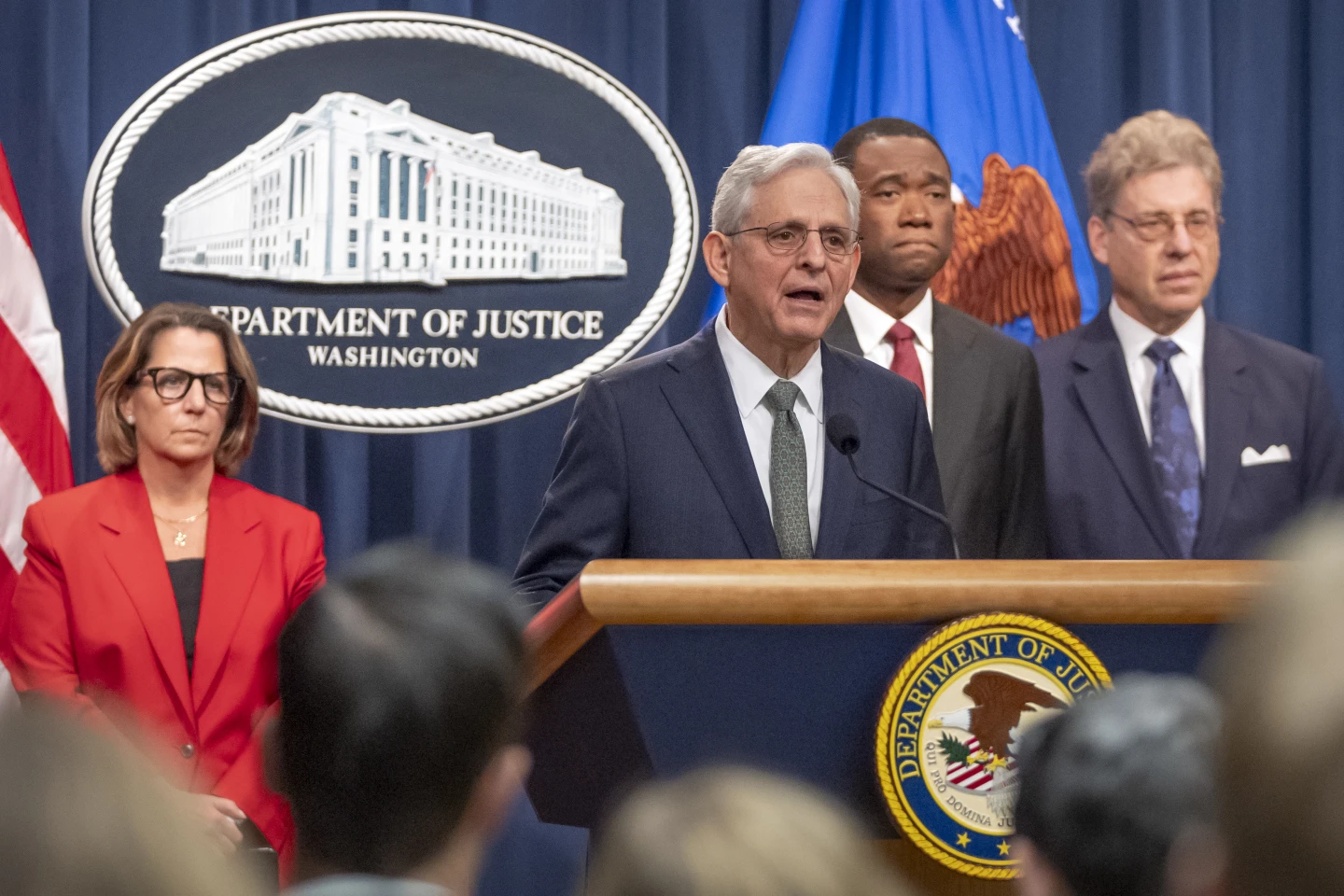


TD Bank has reached a significant settlement agreement with the U.S. Department of Justice (DOJ), agreeing to pay $3 billion over allegations of lax anti-money laundering practices. This historic settlement marks one of the largest penalties ever imposed on a bank for money-laundering violations, reflecting the federal government’s ongoing commitment to combating financial crimes.
Background of the Case
The settlement stems from an extensive investigation into TD Bank’s operations, where regulators found that the bank had failed to maintain adequate anti-money laundering controls over a period of several years. According to DOJ officials, the bank did not properly monitor suspicious transactions and failed to report them, allowing potentially illegal funds to flow through its accounts.
Deputy Attorney General Lisa Monaco stated, “This settlement sends a clear message that banks must prioritize their anti-money laundering obligations. We will hold financial institutions accountable for failing to comply with federal laws designed to protect our financial system.”
Terms of the Settlement
As part of the settlement, TD Bank will pay $3 billion to the DOJ and implement comprehensive reforms to enhance its compliance programs. The bank has committed to strengthening its internal controls, increasing staff training, and improving its transaction monitoring systems to better detect and report suspicious activity.
TD Bank’s CEO Bharat Masrani acknowledged the bank’s shortcomings and emphasized the commitment to reform. “We take these matters seriously and recognize the importance of maintaining the integrity of our financial system. We are dedicated to making the necessary changes to ensure that this does not happen again.”
Impact on the Banking Industry
The settlement highlights the growing scrutiny of financial institutions regarding their anti-money laundering practices. In recent years, regulators have ramped up enforcement actions against banks that fail to comply with the Bank Secrecy Act and other related laws. This case is expected to serve as a precedent for future enforcement actions, emphasizing the importance of robust compliance measures within the banking sector.
In the coming months, TD Bank will be required to provide regular reports to the DOJ on its compliance efforts and progress in implementing the required changes. The settlement agreement also includes a provision for an independent monitor to oversee the bank’s compliance program for the next several years.
As the banking landscape continues to evolve, TD Bank’s settlement underscores the need for financial institutions to prioritize compliance and transparency in their operations to mitigate risks and protect the integrity of the financial system.