
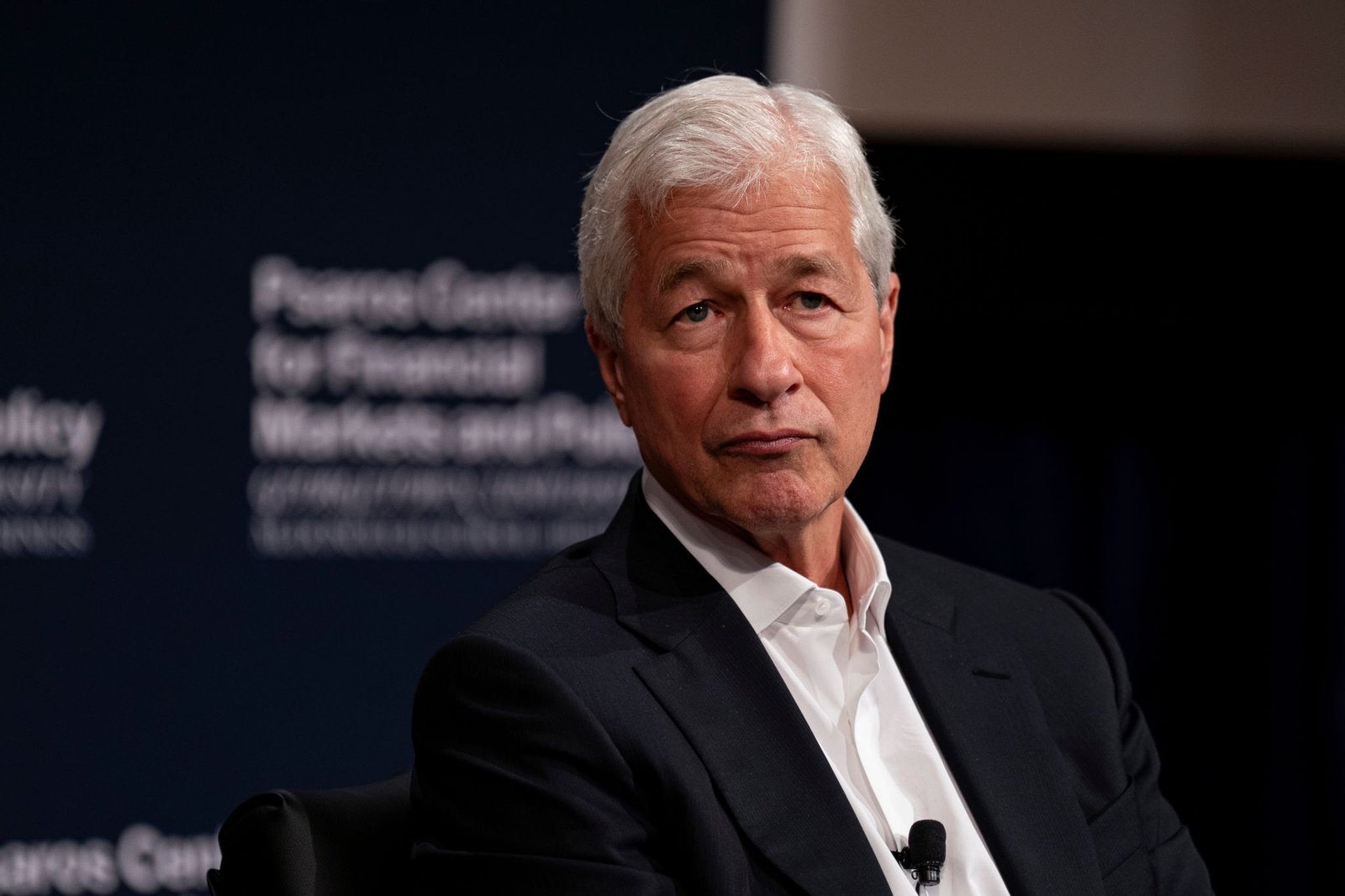


In a recent statement that has stirred political discourse, Jamie Dimon, the CEO of JPMorgan Chase, firmly denied rumors suggesting he had endorsed former President Donald Trump for the 2024 presidential election. Dimon’s clarification comes amid increasing speculation regarding his political affiliations and influence, particularly given his prominent position in the financial industry.
The Rumors and Their Context
The speculation surrounding Dimon’s potential endorsement began circulating after comments he made during a recent interview about the economy and leadership in Washington. Some interpreted his remarks as supportive of Trump’s policies, leading to widespread conjecture about his political stance. However, Dimon took to social media to clear the air, stating unequivocally, “I have not endorsed Donald Trump. My focus is on the economy and the future of our country, not on any individual candidate.”
Dimon’s assertion reflects a growing trend among corporate leaders who are navigating the complex intersection of business and politics. As the 2024 election cycle heats up, many executives are being scrutinized for their political views, prompting them to clarify their positions to avoid potential backlash from consumers, investors, and employees.
The Impact of Dimon’s Clarification
As one of the most influential figures in finance, Dimon’s words carry weight, and his refusal to endorse Trump is significant in the current political landscape. Analysts suggest that his stance may influence other business leaders, particularly in an era where corporate America is grappling with political polarization and social responsibility.
“Corporate leaders are increasingly aware that their political statements can have real implications for their brands,” noted political analyst Laura Vega. “By distancing himself from Trump, Dimon is signaling a cautious approach, particularly as public sentiment evolves.”
Political Implications and Public Response
Dimon’s clarification has sparked varied reactions among political commentators and the public. Supporters of Trump argue that Dimon’s hesitance to endorse reflects a disconnect between the business community and the populist sentiments that Trump has cultivated. Conversely, critics of Trump view Dimon’s stance as a sign that some corporate leaders are unwilling to align themselves with controversial figures, especially amid growing concerns about economic inequality and corporate accountability.
In the wake of his statement, Dimon has received praise from some corners for prioritizing economic discussions over political endorsements. “As a business leader, it’s important to focus on policies that drive growth and stability, rather than getting caught up in partisan politics,” said economist Robert Chen.
As the election approaches, it remains to be seen how Dimon’s position will evolve. While he has made it clear that he is not endorsing any candidate at this time, the political landscape is fluid, and public opinion can shift rapidly. Dimon’s focus on economic issues may resonate with a broad audience, but whether he will eventually engage more deeply in the political arena remains uncertain.
For now, Dimon’s statement reinforces the importance of maintaining a careful balance between business interests and political affiliations. As the nation gears up for what promises to be a contentious election cycle, the roles of influential figures like Dimon will continue to be scrutinized as they navigate the delicate terrain of corporate responsibility and political involvement.