
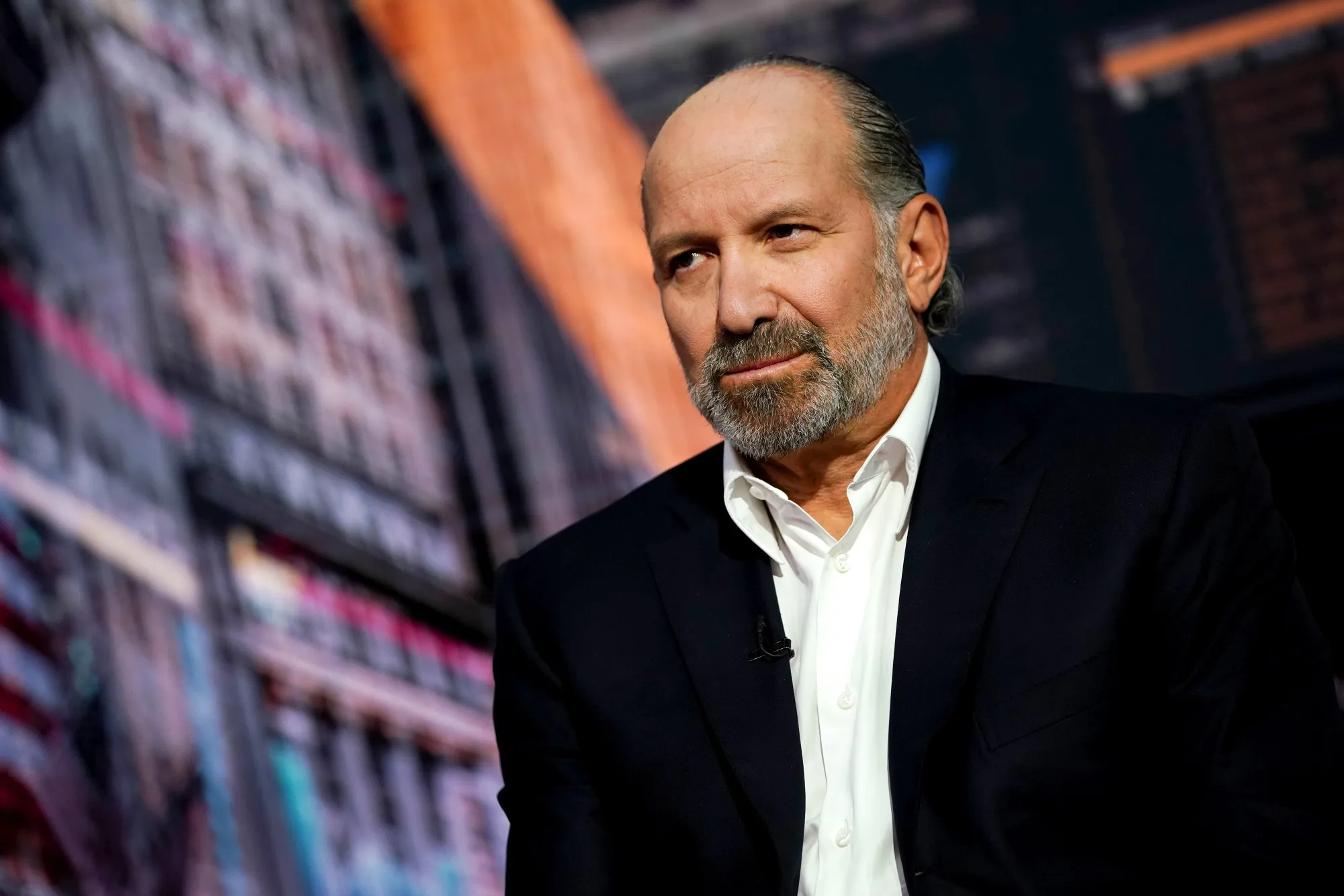


Howard Lutnick, the former chief of the Trump transition team, is under fire for alleged conflicts of interest that have raised ethical concerns regarding his dual roles in government and business. Critics have accused Lutnick of intertwining his personal business interests with his responsibilities during the transition, prompting calls for greater transparency and accountability.
Allegations of Conflicts of Interest
Lutnick, who is also the CEO of Cantor Fitzgerald, has been criticized for potentially leveraging his position to benefit his private business. Reports suggest that his involvement with the Trump administration may have influenced decisions that align with his financial interests, leading to questions about the integrity of the transition process.
In a recent statement, Lutnick defended his actions, asserting that all appointments made during the transition were designed to ensure loyalty to former President Donald Trump. “They will have fidelity to him,” Lutnick said, emphasizing his commitment to appointing individuals who share the Trump administration’s goals and values.
Implications for Future Administrations
As the scrutiny around Lutnick continues, concerns about ethical standards in political appointments have come to the forefront. Critics argue that mixing personal business interests with governmental responsibilities undermines public trust and raises questions about the motivations behind key appointments.
The controversy surrounding Howard Lutnick serves as a reminder of the complexities and challenges faced by transition teams in maintaining ethical boundaries while navigating political landscapes. As the political climate evolves, the implications of this situation could influence how future administrations approach similar conflicts of interest.