
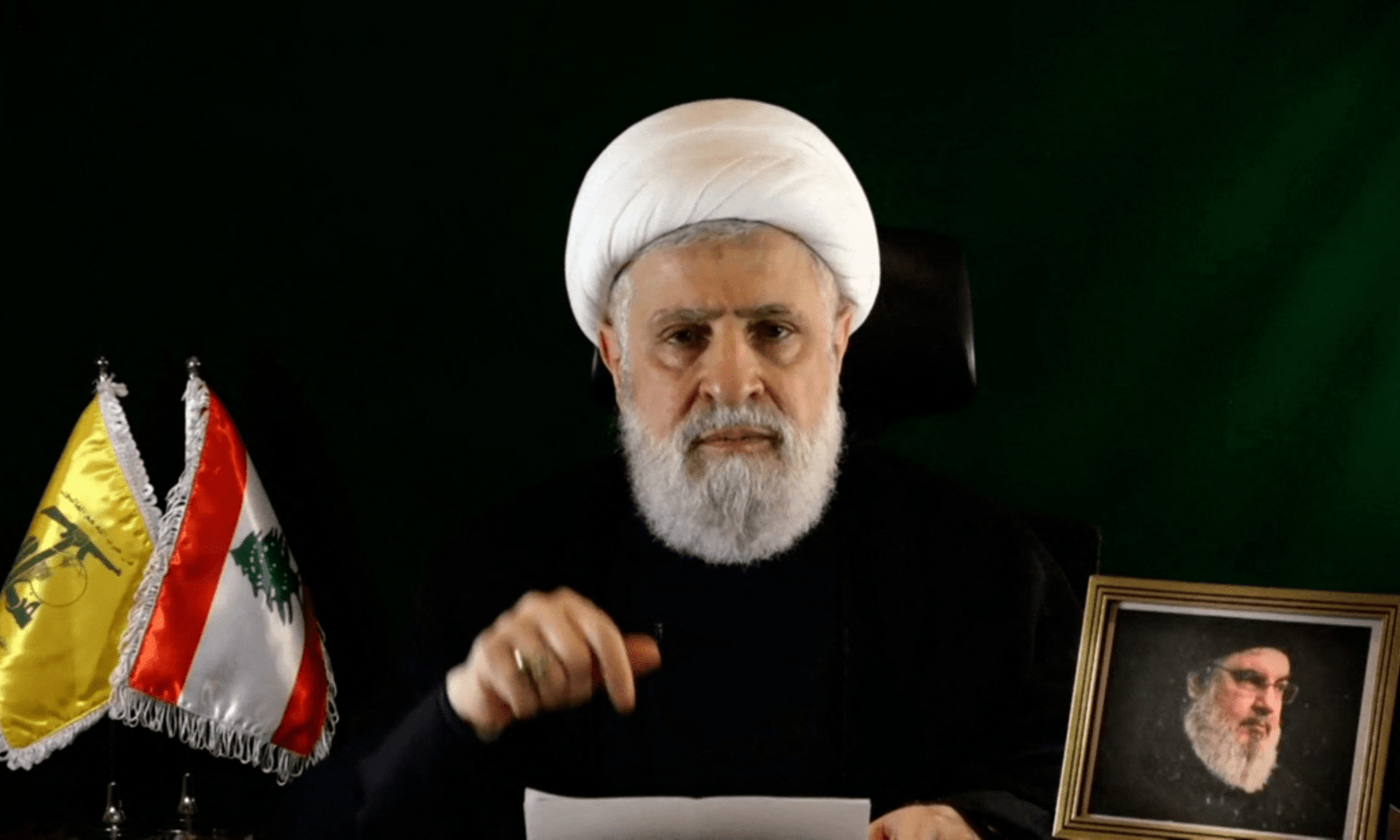


In a significant development, Hezbollah has elected a new leader following the killing of its longtime chief, Hassan Nasrallah, in an Israeli airstrike. Naim Qassem, previously serving as the deputy secretary-general of the militant group, has been appointed to lead Hezbollah during this tumultuous period.
The leadership transition comes after a targeted airstrike attributed to Israeli forces resulted in the death of Nasrallah, a controversial figure who held the top position since 1992. Under his leadership, Hezbollah grew into a formidable military and political force in Lebanon and the wider region, playing a key role in various conflicts and maintaining a significant presence in Lebanese politics.
Naim Qassem, a veteran member of the organization, has been a prominent figure within Hezbollah for decades. Known for his strategic thinking and strong ties to Iran, Qassem is expected to continue the group’s policies while navigating the challenges posed by Nasrallah’s death. His leadership style is anticipated to reflect Hezbollah’s longstanding commitments to resistance against Israel and support for various regional allies, including Iran and Syria.
Following the announcement of Nasrallah’s death, Hezbollah issued a statement vowing to continue its struggle against Israel, promising that the organization would not be deterred by the loss of its leader. “The blood of our martyrs will only fuel our determination,” the statement read, reflecting the group’s resilience and commitment to its cause.
The impact of Nasrallah’s killing and the subsequent leadership change may have far-reaching implications for the region. Analysts suggest that Hezbollah’s response to Israeli actions will be closely monitored, particularly in the context of ongoing tensions between Israel and Iran, as well as the volatile situation in Lebanon itself.
As Naim Qassem assumes leadership, the international community will be watching for shifts in Hezbollah’s strategy and operations. The group has been involved in various conflicts, including the Syrian Civil War, where it has supported the Assad regime, and its ongoing tensions with Israel, which have seen a series of clashes over the years.
The election of Qassem marks a new chapter for Hezbollah as it faces both internal and external challenges. His leadership will be tested as he seeks to maintain unity within the organization while responding to the evolving geopolitical landscape.
The transition also underscores the broader implications for Lebanon, where Hezbollah remains a powerful political entity. The country is currently grappling with a multitude of crises, including economic turmoil, political instability, and ongoing tensions with Israel. Qassem’s ability to lead Hezbollah effectively during these trying times will be crucial in shaping the future of the organization and its role in Lebanese politics.
As Hezbollah embarks on this new chapter under Qassem, the focus will be on how the group adapts to the loss of its iconic leader while continuing to pursue its objectives in the region. The international community will be closely watching for any changes in Hezbollah’s tactics and strategy as it responds to the ongoing challenges ahead.