
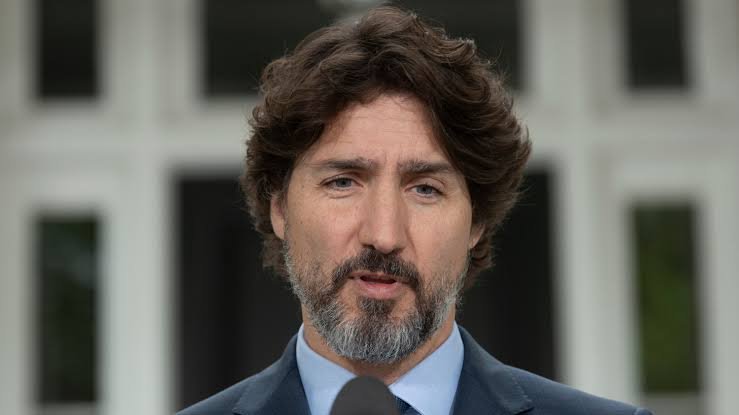


Justin Trudeau, Canada’s Prime Minister since 2015, has announced his resignation, marking the end of an era in Canadian politics. His decision has sparked widespread discussion about the future of the country’s leadership and what lies ahead for the Liberal Party and the nation.
The Resignation Announcement
Trudeau made the announcement during a press conference in Ottawa, stating, “It has been the honor of my life to serve as Prime Minister, but the time has come for a new generation of leadership.” He cited a desire to spend more time with his family and focus on other pursuits as reasons for stepping down.
Trudeau’s resignation follows nearly a decade in office, during which he championed progressive policies on climate change, reconciliation with Indigenous communities, and gender equality. However, his tenure was also marked by controversies, including the SNC-Lavalin affair and criticism over his handling of the COVID-19 pandemic.
What Happens Next?
- Interim Leadership for the Liberal Party
The Liberal Party will appoint an interim leader to serve as Prime Minister until a new leader is chosen. This individual will ensure continuity of governance and oversee the party’s operations during the leadership transition. - Leadership Race
A leadership race will be called to determine Trudeau’s successor. Potential candidates could include prominent cabinet members such as Chrystia Freeland, Deputy Prime Minister and Minister of Finance, and Mark Carney, the former Governor of the Bank of Canada, who has been speculated as a potential contender. - Implications for Parliament
The resignation does not trigger an immediate federal election, as the governing party can continue to hold power under a new leader. The Liberal government, currently in a minority position, will need to maintain the confidence of the House of Commons to avoid a snap election. - Opposition Parties’ Response
Opposition leaders, including Pierre Poilievre of the Conservative Party and Jagmeet Singh of the NDP, have already begun framing Trudeau’s resignation as an opportunity for political change. The Conservatives, as the main opposition party, may push for an early election to capitalize on any perceived instability within the Liberal Party.
Legacy and Challenges Ahead
Trudeau’s departure leaves a mixed legacy. While he brought international attention to Canada as a progressive leader, he also faced significant challenges, including economic pressures, climate policy debates, and strained relations with some provinces.
For the Liberal Party, the challenge will be maintaining unity during the leadership transition and ensuring public confidence in their ability to govern. The next leader will inherit pressing issues such as inflation, housing affordability, and reconciliation efforts.
Trudeau’s resignation marks a significant turning point in Canadian politics. The upcoming leadership race and potential shifts in party dynamics will determine the country’s political trajectory in the coming years. While Trudeau’s time as Prime Minister is coming to an end, his influence on Canada’s political landscape will undoubtedly be felt for years to come.