
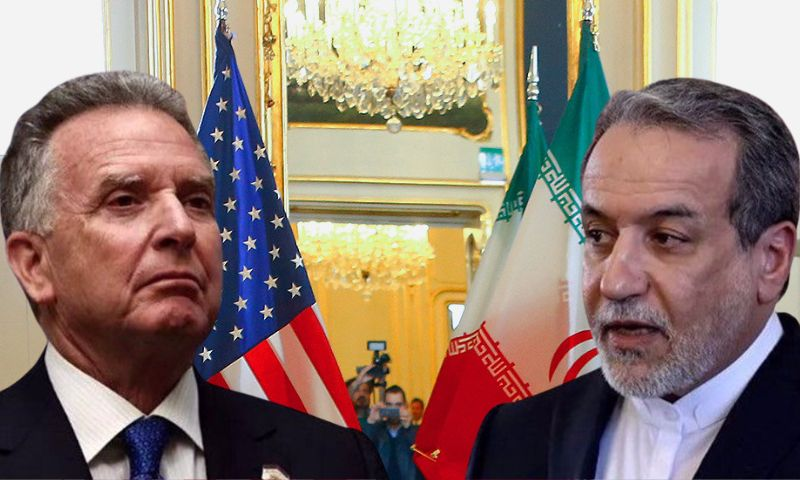


MUSCAT, Oman — Iran and the United States have resumed nuclear negotiations in Muscat, Oman, marking the fourth round of indirect talks in recent weeks aimed at resolving disputes over Tehran’s nuclear program CNN, May 10, 2025. The discussions, mediated by Omani officials, come amid escalating tensions, conflicting red lines, and mutual distrust, with both sides expressing a preference for diplomacy while holding firm to irreconcilable positions Al Jazeera, May 11, 2025. The outcome of these talks could reshape Middle East geopolitics and influence global security.
The negotiations, which began nearly a month ago, represent the highest-level engagement since the U.S. withdrew from the 2015 Joint Comprehensive Plan of Action (JCPOA) under former President Donald Trump Reuters, May 9, 2025. The JCPOA saw Iran limit its nuclear activities in exchange for sanctions relief, but Trump’s 2018 exit and reimposition of sanctions prompted Iran to scale back compliance, enriching uranium to 60% purity—far above the JCPOA’s 3.67% limit but below weapons-grade levels BBC, May 8, 2025. The Muscat talks follow three prior rounds—two in Oman and one in Rome—described as constructive but inconclusive The New York Times, May 7, 2025.
Iranian Foreign Minister Abbas Araghchi, leading Tehran’s delegation, emphasized the complexity of the negotiations, stating, “The further we go, the more consultations and considerations we need” Tehran Times, May 11, 2025. U.S. Middle East envoy Steve Witkoff, heading the American team, has reiterated Washington’s demand for a complete halt to Iran’s enrichment program, a position Tehran rejects Washington Post, May 10, 2025.
Conflicting Red Lines and Diplomatic Hurdles
The core dispute centers on uranium enrichment. The U.S., supported by Israel and Gulf states, seeks to permanently dismantle Iran’s enrichment capabilities, citing risks of nuclear weapons development Times of Israel, May 9, 2025. Witkoff stated, “An enrichment program can never exist in the state of Iran ever again” Fox News, May 8, 2025. Israeli Prime Minister Benjamin Netanyahu has echoed this, warning that any deal allowing enrichment would be “worse than no deal” Jerusalem Post, May 7, 2025.
Iran, however, insists on preserving its “nuclear rights,” viewing enrichment as a sovereign prerogative IRNA, May 10, 2025. An Iranian official told CNN that the U.S. is “well aware” of Tehran’s position but offers “short and general answers” CNN, May 10, 2025. Foreign Ministry spokesperson Esmail Baghaei emphasized that Iran’s delegation includes “experts and specialists” to safeguard national interests Press TV, May 11, 2025.
External pressures complicate the talks. New U.S. sanctions on entities trading Iranian oil, announced last week, drew criticism from Tehran as “contradictory” to diplomatic efforts Bloomberg, May 6, 2025. President Trump, who has threatened airstrikes if diplomacy fails, expressed hope for a deal fostering “lasting peace” but maintained a hardline stance AP News, May 9, 2025. Iran’s Foreign Ministry accused the U.S. of using sanctions to undermine negotiations Fars News, May 7, 2025.
Oman’s Mediation and Regional Dynamics
Oman’s role as a neutral mediator has been crucial, with Foreign Minister Sayyid Badr Albusaidi confirming the talks’ resumption after a brief delay Oman Observer, May 11, 2025. The sultanate’s discreet diplomacy has maintained communication channels since the JCPOA’s collapse The Guardian, May 8, 2025. Iran has reportedly pushed for direct talks, a proposal yet to gain U.S. approval Al-Monitor, May 10, 2025.
Regionally, Iran’s Araghchi visited Saudi Arabia and Qatar to align with Gulf neighbors Arab News, May 6, 2025. Trump’s upcoming tour of Qatar, the UAE, and Saudi Arabia aims to rally Gulf allies against Iran’s nuclear ambitions Gulf News, May 9, 2025. Israel remains wary, with officials warning of military action if talks fail to curb Iran’s program Haaretz, May 10, 2025.
Cautious Progress Amid Skepticism
Despite challenges, there are signs of progress. Both sides agreed to continue expert-level discussions, with Araghchi noting the value of technical delegations Mehr News, May 11, 2025. Posts on X highlight Witkoff’s comments that talks are “moving in the right direction” X Post, May 10, 2025. However, an Iranian official’s claim that the U.S. may be setting a “trap” reflects deep mistrust CNN, May 10, 2025.
The International Atomic Energy Agency (IAEA) could play a role, with Iran hosting an IAEA team recently IAEA Press Release, May 5, 2025. Araghchi suggested the agency might verify compliance in future talks Tasnim News, May 9, 2025. Yet, the U.S.’s demand for zero enrichment clashes with Iran’s stance, fueling doubts Politico, May 8, 2025.
Global Stakes and Future Outlook
A successful deal could ease sanctions, stabilize Iran’s economy, and reduce conflict risks, particularly with Israel The Economist, May 7, 2025. Failure, however, could escalate tensions, with Iran’s near-weapons-grade uranium stockpile raising concerns Wall Street Journal, May 6, 2025. The talks test Trump’s foreign policy and Iran’s balancing of economic needs with national pride Foreign Policy, May 9, 2025.
European powers, Russia, and China remain engaged, with the E3 (Britain, France, Germany) holding separate talks with Iran Le Monde, May 8, 2025. As Muscat hosts these critical discussions, the gap between U.S. demands and Iran’s red lines remains wide, leaving the world to await whether diplomacy can prevail Financial Times, May 11, 2025.