
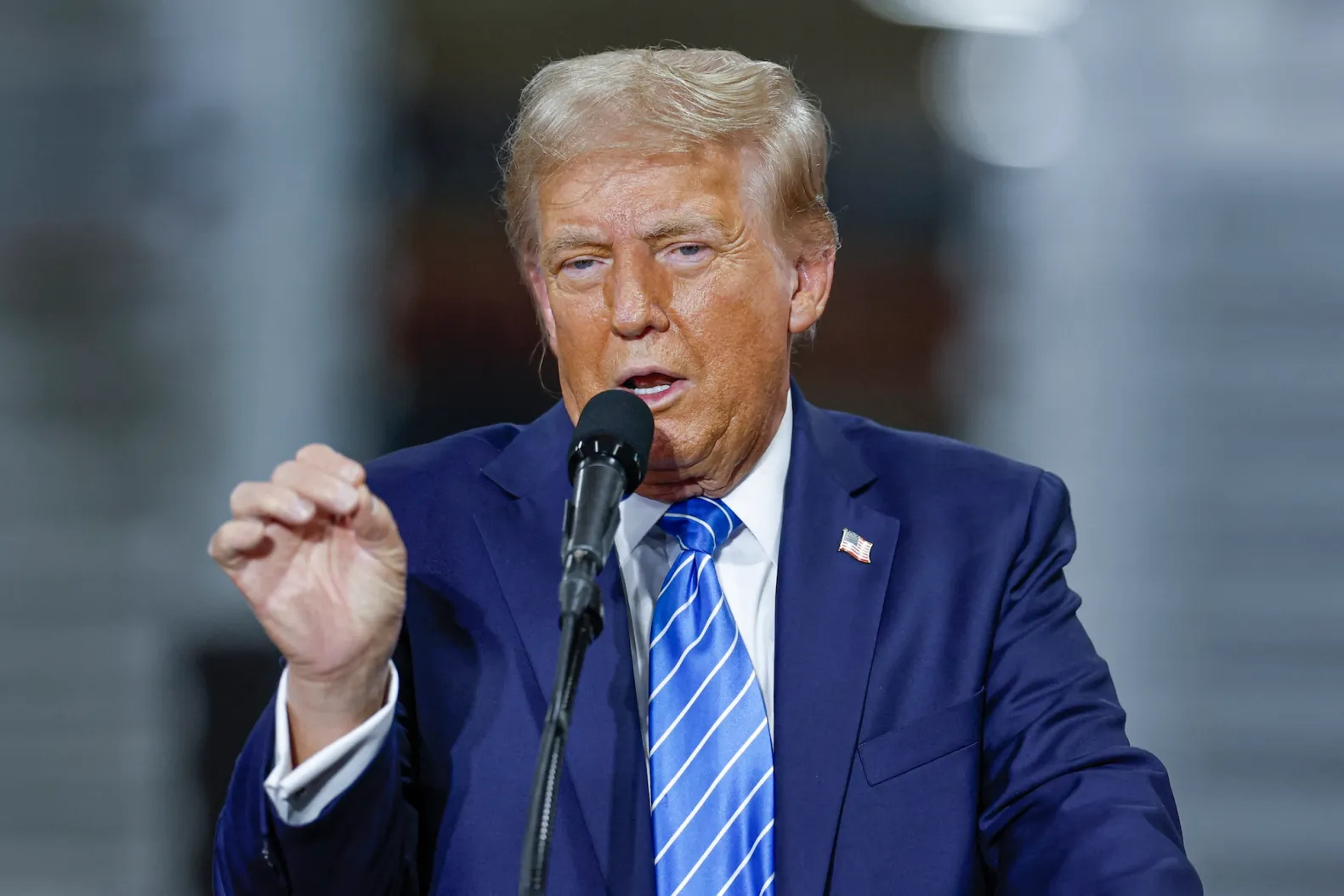


President-elect Donald Trump recently called on candidates for Senate GOP leadership to support his ability to make recess appointments—a process allowing a president to fill key government positions without Senate confirmation while Congress is in recess. Trump’s statement has added urgency to the ongoing GOP race for Senate majority leader, with contenders like Senator John Thune navigating the political implications of Trump’s demand.
Trump’s Call for Recess Appointments Sparks Support and Skepticism
Trump’s suggestion that the next Senate majority leader should “bypass Senate confirmation” through recess appointments has met with mixed reactions. Some GOP leaders argue that recess appointments could help Trump swiftly fill administrative and judicial vacancies. However, others have raised concerns about the potential for bypassing Senate checks on presidential appointments, which are designed to ensure that nominees are thoroughly vetted.
Senator Thune, a prominent candidate for the Senate GOP leadership role, has yet to endorse Trump’s demand fully. Thune noted the importance of balancing the need for government efficiency with Senate oversight responsibilities.
What Are Recess Appointments?
Recess appointments are a constitutional provision allowing a president to appoint officials while the Senate is not in session, allowing appointees to serve without immediate Senate confirmation until the end of the following Senate session. Though often used in cases of urgent need or political gridlock, recess appointments bypass standard Senate scrutiny, leading some senators to view the mechanism cautiously.
Senate GOP Leaders Weigh in on Potential Policy Impact
GOP candidates vying for Senate leadership, including Thune and others, are now under pressure to clarify their stances. If Trump’s approach is embraced by GOP leaders, it could allow his administration to bypass Senate resistance for key appointments. However, critics argue that an overuse of recess appointments could weaken the Senate’s role in the checks and balances that characterize the U.S. government system.
The debate is expected to shape Senate leadership campaigns as candidates balance loyalty to Trump’s agenda with maintaining the Senate’s traditional oversight role.