
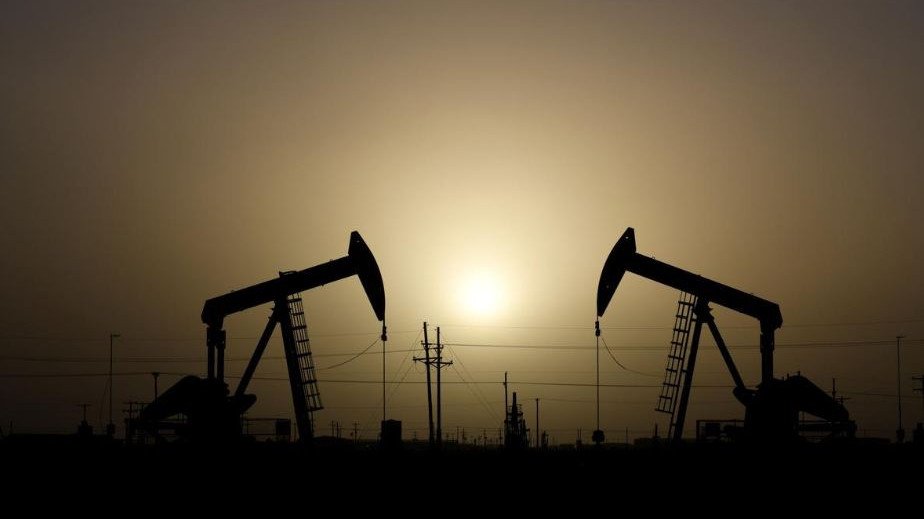


The Nasdaq Composite led the declines in U.S. stock markets on Friday as rising geopolitical tensions between Israel and Iran caused oil prices to spike. The escalation has left investors worried about the potential impact on global markets, with Brent crude surging past $91 a barrel and West Texas Intermediate (WTI) nearing $88.
Market Impact and Oil Price Surge
Oil prices soared after reports indicated that Israel is bracing for a possible Iranian attack within the next 48 hours. Brent crude, the international benchmark, climbed by over 2%, marking its highest levels in seven months, while WTI jumped 2.8%. The sharp rise comes amid fears that the conflict could expand, disrupting oil supplies and pushing prices even higher. Analysts have suggested that if military action ensues, crude could rapidly approach $100 per barrel.
This development has fueled a strong rally in energy stocks, with the Energy Select Sector SPDR Fund (XLE) tracking a ninth consecutive week of gains—the longest stretch since 2007. Top performers in the sector included Occidental Petroleum, Diamondback Energy, and Marathon Oil, all posting gains of over 1% despite broader market losses.
Broader Stock Market Reactions
The surge in oil prices and the risk of a broader conflict in the Middle East rattled investors, dragging down major U.S. stock indices. The Nasdaq Composite fell by over 1.5%, with technology stocks bearing the brunt of the sell-off. Meanwhile, the S&P 500 dropped 1.2%, and the Dow Jones Industrial Average slipped nearly 500 points.
The uncertainty has led to increased demand for safe-haven assets. Gold prices hit new highs, and the U.S. government bond yields dropped as investors sought more secure investments amidst the potential turmoil.
Geopolitical Context and Market Sentiment
The market turmoil comes after Iranian Supreme Leader Ayatollah Ali Khamenei pledged retaliation following the death of seven Iranian military personnel in an Israeli airstrike on a diplomatic compound in Syria. The situation has alarmed U.S. and Israeli officials, with Prime Minister Benjamin Netanyahu warning of “direct retaliation” against any aggressive moves by Iran.
U.S. officials have confirmed the threat as “real and credible,” prompting the White House to emphasize its support for Israel’s defense. The conflict is seen as the most severe escalation since last October’s Israel-Hamas conflict and could have far-reaching consequences if it draws in regional powers and disrupts Middle Eastern oil supplies.
Future Outlook and Market Forecasts
Given the heightened tensions, market analysts are revising their projections. Veteran market strategist Ed Yardeni noted that if the conflict escalates, $100 per barrel oil prices are “more than likely.” Financial markets, which have experienced a 27% gain in the S&P 500 since last October, may face a reversal in the coming weeks, with the potential for increased volatility as traders gauge the fallout from the Middle East crisis.
The implications of a prolonged conflict could significantly impact global energy markets, inflation, and broader economic stability. As the situation develops, investors will closely monitor geopolitical developments and adjust their positions accordingly to mitigate risks.
Overall, the geopolitical tensions have overshadowed recent economic data and earnings reports, putting Middle Eastern developments at the forefront of market dynamics as traders brace for potential disruptions to energy supplies.