
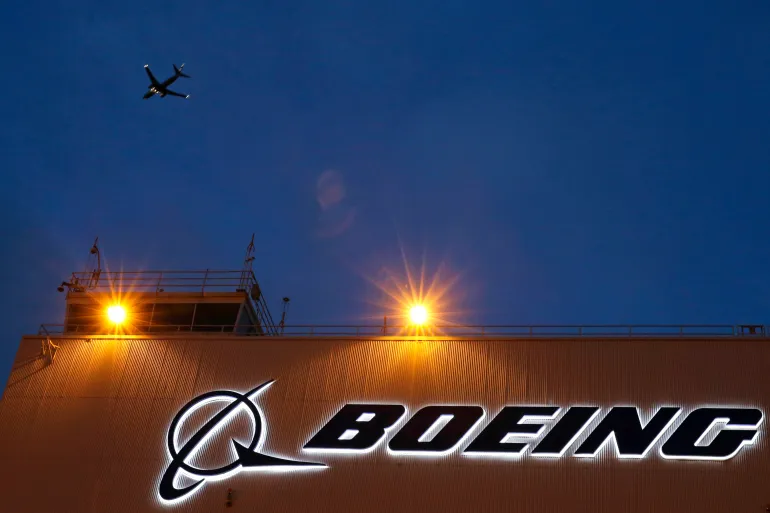


The labor strike at Boeing continues after machinists rejected the company’s latest contract offer on Wednesday, opting to remain off the job nearly six weeks after the initial walkout. Representing over 30,000 workers, the union’s decision prolongs the labor dispute that has disrupted Boeing’s operations at a time when the company is already grappling with significant financial setbacks.
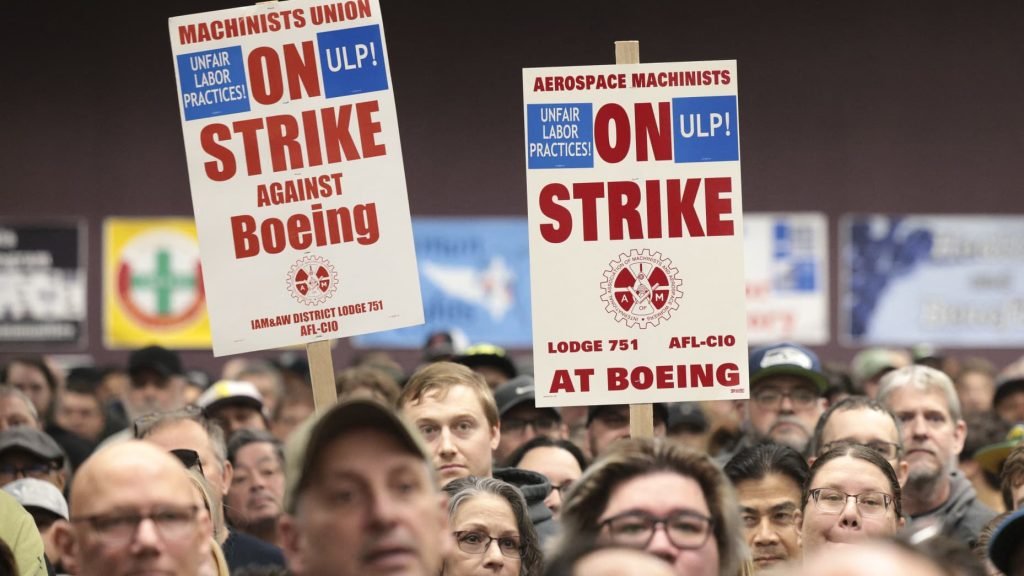
The rejected offer included a proposed 35 percent pay raise over four years, an increase that Boeing hoped would end the strike and bring workers back to its manufacturing facilities. However, union members voted against the proposal, citing concerns over job security, healthcare benefits, and working conditions that they feel were not adequately addressed in the new contract.
“This isn’t just about pay—it’s about making sure that our members have the support and stability they need for the long haul,” said Mark Johnson, a spokesperson for the International Association of Machinists and Aerospace Workers (IAM). “Our members have spoken, and we are ready to stay on the picket lines until Boeing meets us with a fair agreement.”
The decision to extend the strike comes at a challenging time for Boeing, which reported a staggering $6 billion in losses just hours before the union vote. The company has been struggling with delays in production and delivery schedules, compounded by ongoing issues with its 737 Max and 787 Dreamliner models. The strike has further exacerbated these challenges, leading to concerns about the long-term impact on Boeing’s production capabilities and market position.
Boeing expressed disappointment with the outcome of the vote and emphasized its willingness to continue negotiations with the union. “We remain committed to reaching an agreement that benefits our employees while ensuring the long-term stability and competitiveness of Boeing,” a company spokesperson said in a statement. “We urge the union to work with us to find a path forward that balances the needs of our workforce and our business.”
The extended strike has drawn the attention of industry analysts, who note that the prolonged disruption could have broader implications for Boeing’s recovery efforts. The strike’s impact is being felt not only in Boeing’s production facilities but also among suppliers and customers who depend on the timely delivery of aircraft.
NBC’s Tom Costello reported for TODAY that the ongoing strike highlights the growing tension between labor unions and major corporations in a time of economic uncertainty. As inflation remains high and the cost of living continues to rise, workers across various industries are pushing for more substantial pay increases and better working conditions, leading to similar labor actions throughout the country.
For Boeing, the path forward involves navigating complex negotiations while addressing its financial challenges. The company’s leadership has been under pressure from shareholders to stabilize operations and regain profitability, making a resolution with the machinists’ union crucial to any turnaround plan. The ongoing strike, however, underscores the deep divide between the company and its workforce, suggesting that a swift resolution may be difficult to achieve.
As the strike enters its seventh week, both sides remain at an impasse. While Boeing aims to balance its financial recovery with labor demands, the union stands firm in its pursuit of a contract that reflects their value to the company. Until an agreement is reached, production delays and financial strain are likely to persist, adding further uncertainty to Boeing’s future.