
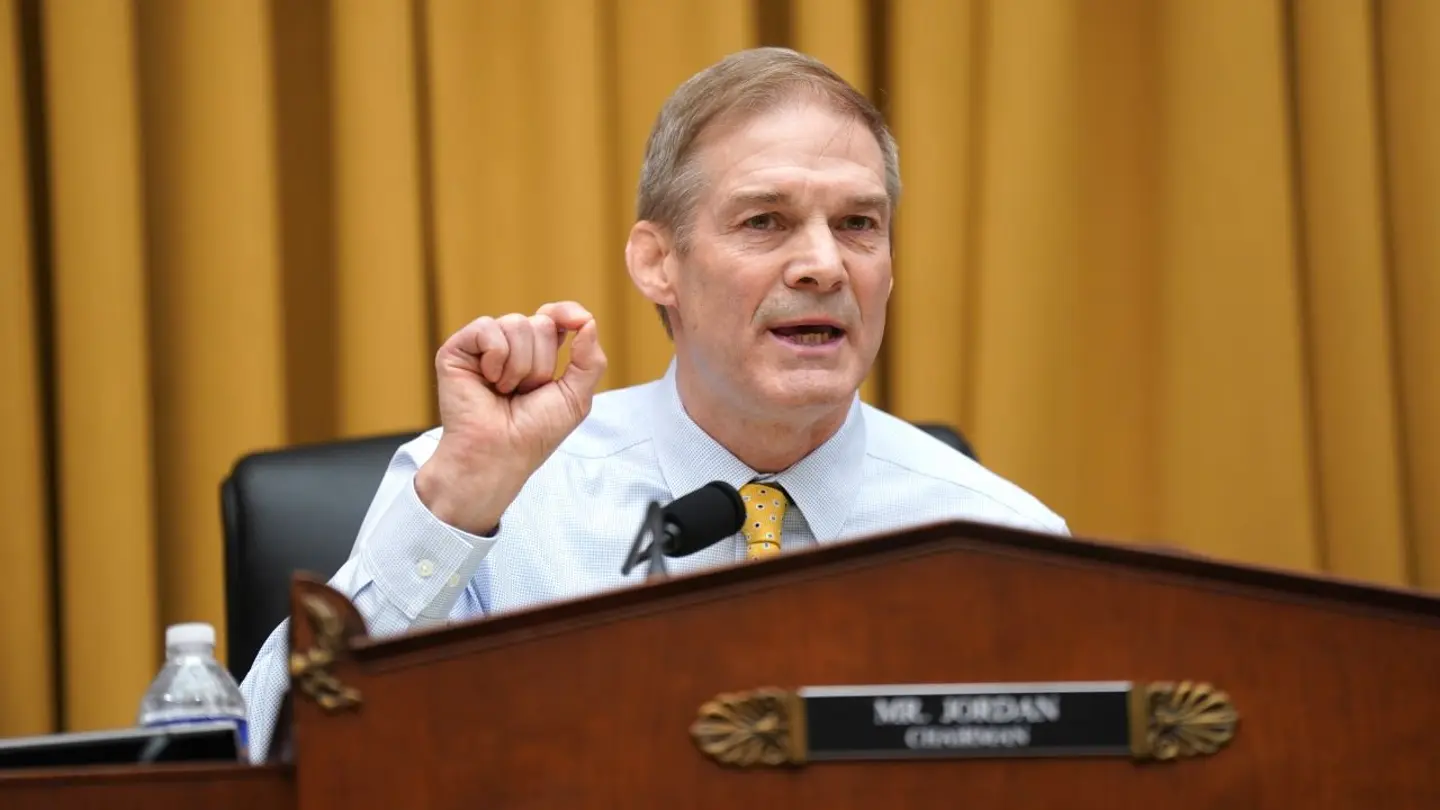


Rep. Jim Jordan, a key Republican lawmaker and chair of the House Judiciary Committee, has requested a formal briefing from Amazon over allegations that its voice assistant, Alexa, may have engaged in censorship related to former President Donald Trump. Jordan’s inquiry comes amid growing concerns from conservatives that Big Tech companies, including Amazon, are using their platforms to silence right-wing viewpoints and suppress information related to Trump and his political agenda.
Allegations of Censorship
The controversy surrounding Alexa, Amazon’s popular virtual assistant, began when users reported that the device either downplayed or failed to provide information regarding Trump in a neutral manner. Some reports suggested that Alexa avoided mentioning Trump’s accomplishments, delivered skewed responses to questions about him, or provided fact-checked answers that conservatives viewed as biased.
As an ardent supporter of Trump and a vocal critic of Big Tech censorship, Rep. Jim Jordan has consistently expressed concerns about what he perceives as an anti-conservative bias on platforms like Twitter, Facebook, and now Amazon’s Alexa. His letter to Amazon CEO Andy Jassy outlines his concerns about the potential political bias being integrated into the technology used by millions of Americans.
The Judiciary Committee’s Role
Jordan’s position as chair of the powerful House Judiciary Committee gives him significant influence over investigations into Big Tech and its practices. His request for a briefing underscores the Republican Party’s broader agenda to scrutinize tech companies for allegedly silencing conservative viewpoints.
In the letter, Jordan asked Amazon to provide detailed information on how Alexa curates its responses and whether political bias was embedded in the algorithm. He also demanded a clear explanation of the processes Amazon uses to fact-check or filter information presented through Alexa, particularly when it comes to political figures like Donald Trump.
Amazon’s Response and Previous Controversies
Amazon has yet to issue a formal statement in response to Jordan’s request, but the company has previously denied claims of political bias within its services. Like many tech companies, Amazon faces ongoing accusations of censorship from both sides of the political spectrum, making it a lightning rod for partisan tensions.
In recent years, conservative lawmakers, including Jordan, have repeatedly clashed with tech giants over what they see as systematic efforts to limit the visibility of conservative ideas and figures, particularly Trump. These concerns intensified following the suspension of Trump’s social media accounts after the January 6 Capitol riots.
Amazon has previously been criticized for other issues related to content moderation, including its decision to remove certain books or media that critics argue contain controversial or harmful views. The company’s web services also played a role in deplatforming the social network Parler, a site favored by conservatives, following the Capitol insurrection.
Broader Implications for Big Tech
Rep. Jordan’s inquiry into Amazon’s practices could mark the beginning of a broader investigation into how tech platforms manage and present political information. With Republicans increasingly focusing on alleged censorship of conservative voices, the outcome of this inquiry could impact how tech companies handle politically charged content moving forward.
If Amazon fails to provide a satisfactory response, Jordan’s Judiciary Committee may opt to pursue further action, including subpoenas or hearings, to examine the role of tech companies in shaping public discourse. The situation serves as the latest chapter in the ongoing debate over free speech, technology, and politics in America.