

On September 18, 2024, NFL legend Brett Favre revealed his Parkinson’s disease diagnosis during a congressional hearing focused on head trauma and its long-term effects on athletes.
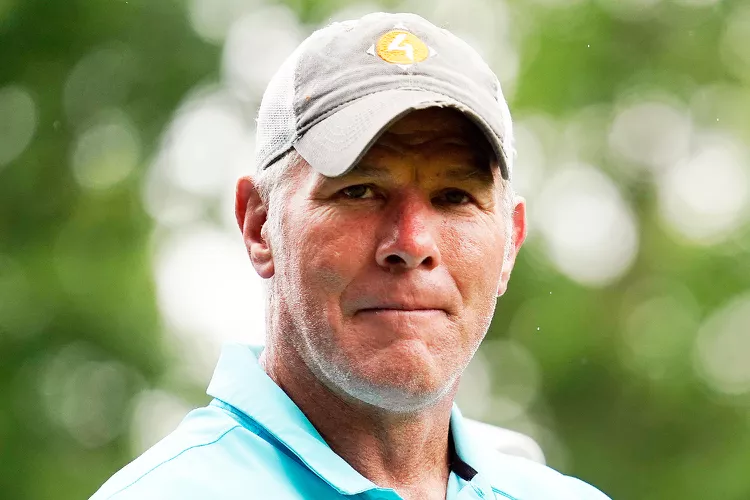
Favre, who played 20 seasons in the NFL, testified alongside medical professionals and advocates, highlighting the connection between concussions sustained during his career and his recent diagnosis. The announcement came as a shock to many fans, though Favre admitted he had been dealing with symptoms for some time, including tremors and muscle stiffness.
Favre’s testimony emphasized the need for more research into the neurological consequences of repeated head trauma, including Chronic Traumatic Encephalopathy (CTE), a condition commonly found in retired football players.
Favre himself has been an advocate for player safety, promoting helmet innovations and youth football reforms aimed at reducing the risk of concussions. However, his Parkinson’s diagnosis further underscores the potential long-term effects of playing professional football.
At the hearing, Favre shared how his symptoms have impacted his daily life, explaining that while he initially ignored them, the progression of the disease forced him to seek medical advice. “I’ve spent a lot of time thinking about the hits I took on the field,” Favre said. “But it wasn’t until the shaking and stiffness began that I knew something was truly wrong.”
Parkinson’s disease is a progressive neurological disorder that affects movement and coordination, often developing years after the initial onset of symptoms. Though there is no cure, early diagnosis and treatment can help manage the condition.
Favre’s testimony resonated with the committee members, many of whom expressed support for greater funding toward neurological research. The hearing also addressed the growing concern about safety protocols in contact sports, particularly in football, which has long been scrutinized for its handling of concussions. Several lawmakers noted that while the NFL has made strides in concussion prevention, more comprehensive measures are needed to protect athletes at all levels.
In addition to his diagnosis, Favre used the platform to advocate for others suffering from similar conditions, particularly former athletes who may be silently enduring symptoms of brain injury. “I want other players and athletes to know they’re not alone. We need to talk about this more openly and get the help we need.”
Favre’s admission has prompted further dialogue within the sports community about how athletes are treated after they retire. His diagnosis also shines a spotlight on the importance of mental and physical health care for those who may face long-term consequences from their careers.
Favre, known for his toughness on the field, now faces a new challenge, and his openness may help pave the way for better awareness and treatment of neurological conditions in the sports world.