
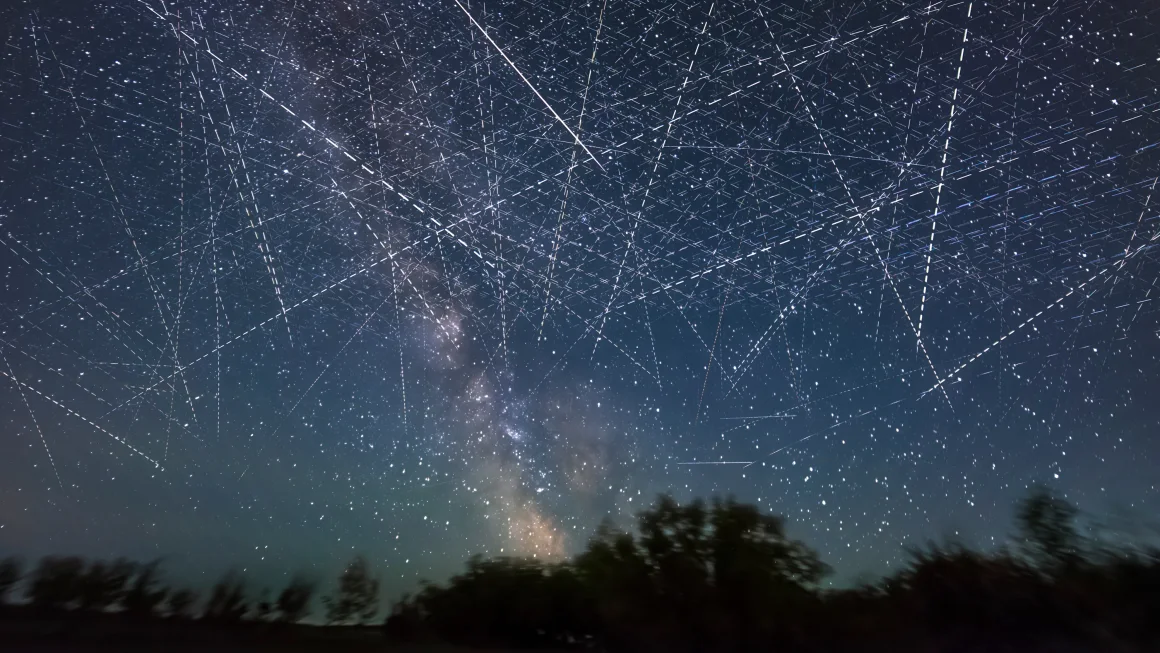


Kessler Syndrome, a catastrophic space disaster scenario, refers to a chain reaction where space debris collides, generating even more debris, and making Earth’s orbit increasingly hazardous for satellites and spacecraft. The concept, first proposed by NASA scientist Donald J. Kessler in 1978, has grown more relevant as space activity has surged, raising concerns among scientists that this scenario might already be underway.
Understanding Kessler Syndrome
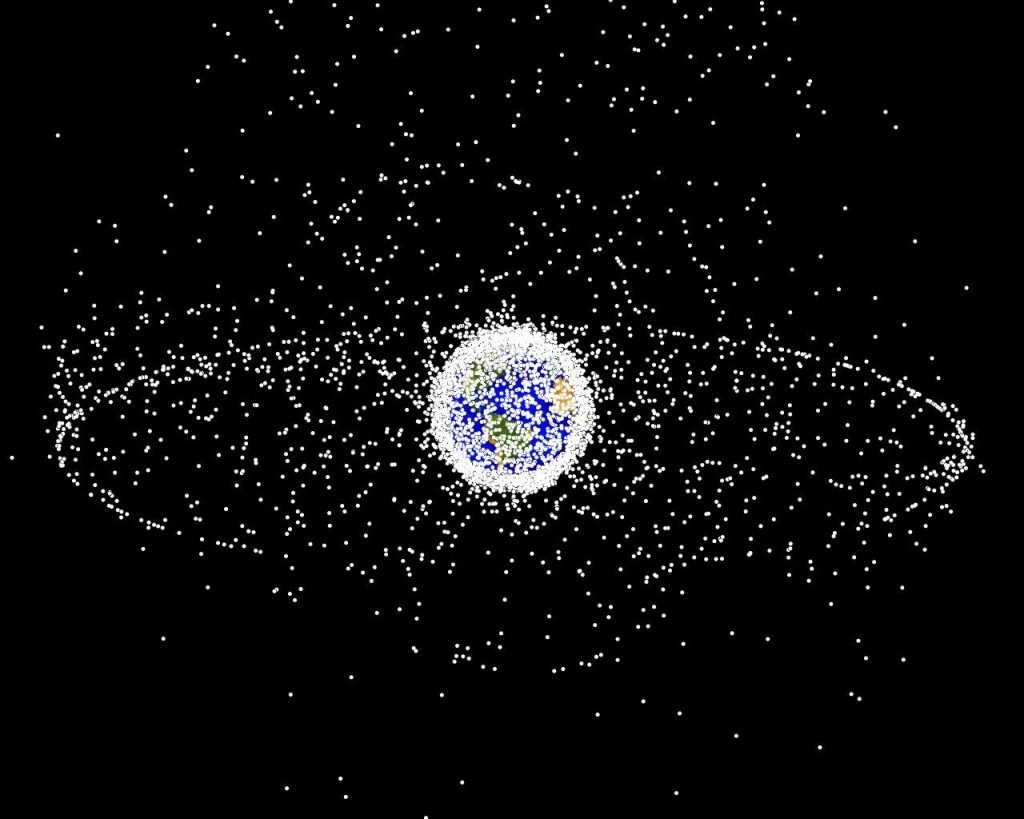
Kessler Syndrome theorizes that the increasing density of artificial objects in Earth’s orbit could lead to a tipping point. At this stage, collisions between objects, such as satellites or fragments of debris, would create clouds of smaller, high-velocity debris. This debris would then collide with other objects, perpetuating a cascading effect that could render Earth’s orbit nearly unusable for generations.
Such a scenario poses dire consequences for the modern world. With satellites providing critical services like global communication, navigation, weather forecasting, and scientific research, a debris-laden orbit could cripple these systems and hinder future space exploration.
Why Scientists Think It Has Started
Evidence suggests that the early stages of Kessler Syndrome might already be occurring:
- Increase in Orbital Debris
According to the European Space Agency (ESA), there are over 36,000 trackable pieces of debris larger than 10 cm in Earth’s orbit. These range from defunct satellites to fragments from previous collisions and explosions. Smaller, untracked debris—estimated to number in the millions—also poses significant risks. - Recent Collisions
In 2009, a defunct Russian satellite collided with a functioning U.S. Iridium communications satellite, producing thousands of fragments. In 2021, a Chinese Long March 5B rocket’s uncontrolled reentry scattered debris, prompting international criticism. Such incidents highlight the growing congestion and potential for further collisions. - Anti-Satellite Tests
Military tests, such as Russia’s 2021 destruction of one of its own satellites using an anti-satellite missile, have added significantly to the debris problem. The test created over 1,500 trackable fragments and endangered the International Space Station (ISS), demonstrating the immediate risks of Kessler Syndrome.
Implications of Kessler Syndrome
If Kessler Syndrome escalates, Earth’s orbit could become so cluttered that launching new satellites or maintaining existing infrastructure might become impossible. This would impact:
- Global Communications: Internet, phone services, and broadcasting networks would face severe disruptions.
- Scientific Research: Earth observation and deep-space exploration missions could be halted.
- National Security: Military satellites used for surveillance and navigation would be jeopardized.
Preventing a Space Debris Crisis
To mitigate the risks of Kessler Syndrome, scientists and policymakers are focusing on several solutions:
- Active Debris Removal
Projects like ESA’s ClearSpace-1 and Japan’s Astroscale are pioneering efforts to remove defunct satellites and debris from orbit. - Improved Satellite Design
New satellites are being designed with de-orbiting mechanisms to ensure they reenter Earth’s atmosphere and burn up after completing their missions. - International Regulations
Treaties and agreements, such as the Outer Space Treaty of 1967, are being revisited to enforce responsible space operations and curb the creation of new debris. - Collision Avoidance Systems
Advanced tracking systems allow satellites and spacecraft to adjust their trajectories to avoid potential collisions.
A Critical Moment for Space Sustainability
While the complete effects of Kessler Syndrome have not yet materialized, the current trajectory of space debris accumulation is a warning. Without coordinated global action, the scenario could progress to a point where Earth’s orbit becomes an impassable minefield of debris, threatening the benefits humanity derives from space.