


A provocative theory has emerged suggesting that NASA’s historic Viking missions to Mars in the 1970s might have inadvertently destroyed microbial life on the Red Planet before its presence could be confirmed. According to astrobiologist Dirk Schulze-Makuch, certain processes carried out by the Viking landers could have been fatal to native life forms, raising questions about how we approach the search for extraterrestrial organisms.
The theory stems from the Viking missions’ experiments designed to detect life in Martian soil. In one test, a nutrient-rich solution was added to Martian soil samples to stimulate biological activity. The idea was that if microbes were present, they would metabolize the nutrients and produce detectable gases. Instead, the experiments yielded inconclusive results, which NASA interpreted at the time as an absence of life.
Schulze-Makuch, however, suggests that the addition of water in these experiments may have been lethal to potential Martian microbes. Unlike Earth-based life, Martian organisms might rely on highly concentrated salts, or perchlorates, in the soil to extract minimal water from their environment. Introducing liquid water could have disrupted this delicate balance, essentially drowning the organisms.
“Imagine trying to grow a desert-adapted plant by submerging it in water—it wouldn’t survive,” Schulze-Makuch explained in a recent paper. “The Viking experiments may have unintentionally created a toxic environment for Martian microbes.”
The idea is not entirely without precedent. On Earth, certain microbes thrive in extreme environments, such as salt flats and acidic hot springs. These organisms often have highly specialized mechanisms to survive in conditions that would be hostile to other forms of life. Schulze-Makuch posits that Martian microbes could have evolved similar adaptations, potentially making them vulnerable to the very techniques designed to detect them.
The theory has sparked debate within the scientific community. Critics argue that it is speculative and lacks direct evidence, while proponents say it highlights the need for greater caution in future missions.
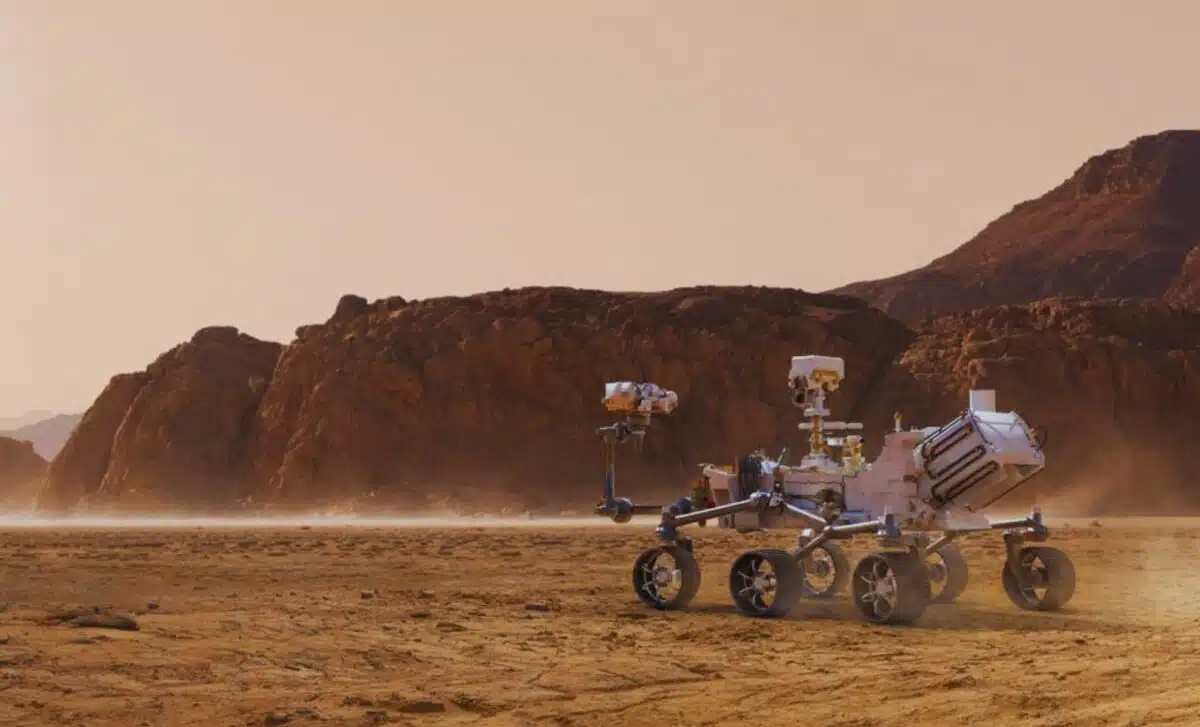
NASA’s current and upcoming Mars missions, such as Perseverance and the planned Mars Sample Return mission, are guided by more sophisticated protocols to avoid contamination and preserve potential life forms. These missions emphasize in-situ analysis and careful handling of Martian samples, incorporating lessons learned from earlier missions.
Still, the notion that we might have unintentionally wiped out Martian life decades ago is a sobering reminder of the challenges inherent in exploring alien environments. As astrobiologists continue refining methods to detect extraterrestrial life, the question remains: How do we study these potential organisms without harming them in the process?