
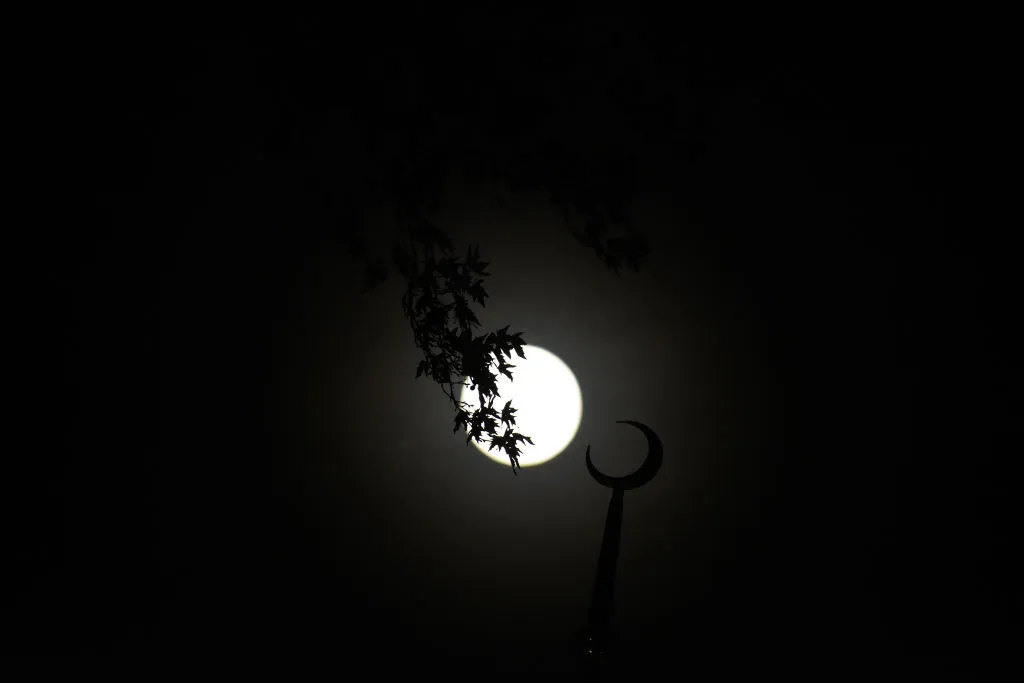


This weekend promises a celestial spectacle as two major astronomical events—November’s Beaver Moon and the Leonid meteor shower—will grace the skies, providing an exciting opportunity for skywatchers.
On Friday, November 15, 2024, the Beaver Moon will reach its peak, marking the last supermoon of the year. This full moon, named after the time when beavers traditionally prepare for winter, will appear brighter and larger than usual. The phenomenon occurs because the moon will be at its closest point to Earth in its orbit. The Beaver Moon will be visible to the naked eye, lighting up the night sky with its striking brightness.
The very next day, on Saturday, November 16, 2024, the Leonid meteor shower will reach its peak. Known for producing fast, bright meteors, the Leonids will offer a thrilling display of shooting stars. The meteor shower, which occurs annually in mid-November, is expected to be especially active after midnight and through the early morning hours. For the best viewing, experts recommend heading to areas with clear, dark skies, away from city lights.
Skywatchers will be treated to an incredible combination of events, with the supermoon shining brightly while meteors streak across the sky. Both phenomena are best observed in the early morning hours, when the skies are darkest, and the Leonid meteor shower is most active.
For those planning to view these events, it’s advisable to bring comfortable seating, like a blanket or a reclining chair, to fully enjoy the experience without distractions. It’s a rare opportunity to witness two awe-inspiring celestial phenomena at once, making it a must-see for astronomy enthusiasts.
Experts suggest that while the supermoon will be visible to all, the meteor shower will be best viewed with the naked eye, although some may prefer to use binoculars to get a closer look at the streaking meteors. Whether you’re a casual stargazer or an avid astronomer, this weekend’s celestial lineup will surely be a memorable event.