
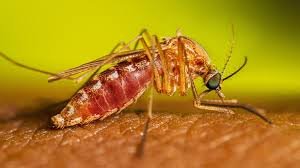


The Ohio Department of Health (ODH) is reporting an increase in cases of vector-borne diseases across the state, with new cases of West Nile Virus, Lyme disease, and anaplasmosis recorded in their latest update on November 1. Officials are closely monitoring the spread of these diseases, which are transmitted through mosquito, flea, and tick bites, and are encouraging residents to take precautions to reduce exposure.
According to the ODH report, Ohio has documented 12 cases of West Nile Virus this year, split evenly between six females and six males. These cases are spread across nine counties: Lucas, Henry, Hancock, Auglaize, Franklin, Lorain, Cuyahoga, Stark, and Ashtabula. While many individuals infected with West Nile Virus do not show symptoms, severe cases can lead to neurological complications, particularly in older adults and those with weakened immune systems.
Lyme disease, a tick-borne illness, has also seen a significant rise, with cases jumping from 1,002 last year to 1,118 so far in 2024. The disease, primarily spread by black-legged ticks, can cause long-term health problems if untreated, including joint pain, neurological issues, and fatigue. Ohio health officials emphasize the importance of early detection and treatment, as symptoms can be managed effectively with antibiotics if caught in time.
Additionally, the ODH report indicates a rise in anaplasmosis cases, with 17 cases identified across the state, affecting six females and 11 males. Anaplasmosis is another tick-borne disease that can lead to fever, chills, headache, and muscle pain. Although cases remain relatively low, the increase signals a need for awareness, especially in wooded and rural areas where ticks are more prevalent.
Ohio health authorities are urging residents to take preventive measures to protect themselves from vector-borne diseases, particularly in outdoor areas with high mosquito and tick activity. Recommended precautions include wearing long sleeves and pants, using insect repellent, and conducting thorough tick checks after spending time outdoors.
As the department continues to track these trends, ODH encourages residents to stay informed and take proactive steps to reduce exposure risks. The department remains committed to educating the public on prevention and working with local health partners to address the rise in vector-borne illnesses.