

A New York resident has tragically passed away after contracting the rare mosquito-borne virus, Eastern Equine Encephalitis (EEE). The virus, known for causing brain inflammation, is typically rare but extremely dangerous. Health officials confirmed the case and are urging residents to take precautions against mosquito bites, especially during the warm months when these insects are most active.
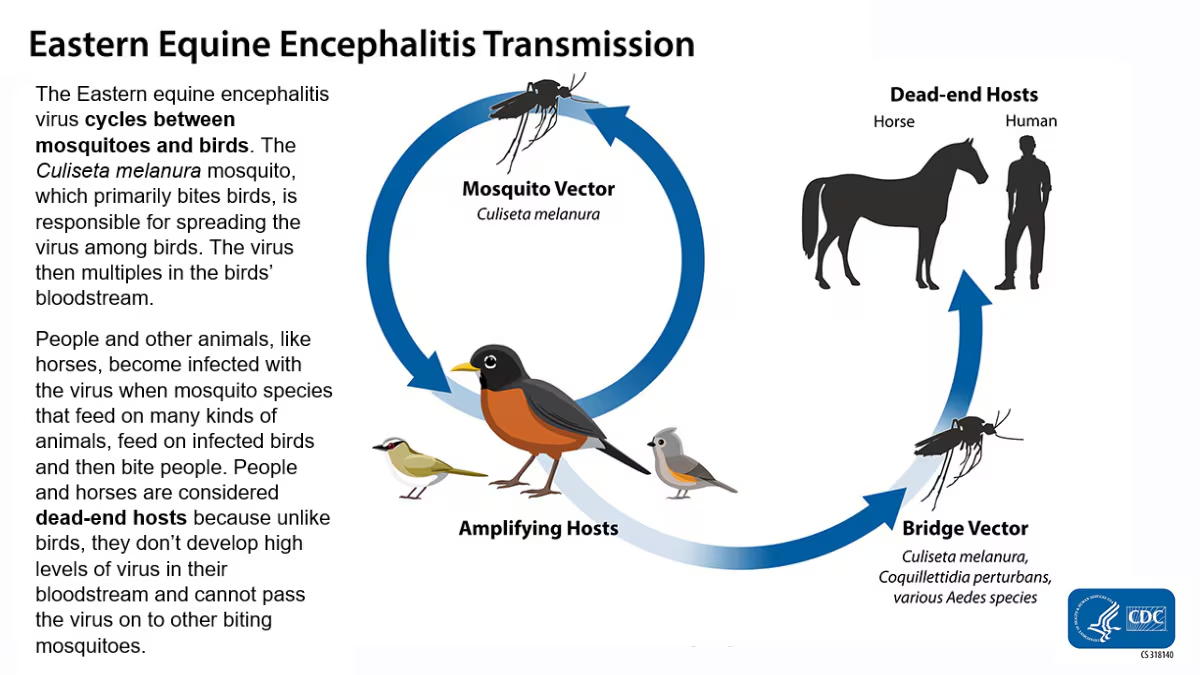
EEE is transmitted through the bite of infected mosquitoes, primarily found in swampy areas. It can cause symptoms such as fever, headache, and vomiting, escalating to seizures or coma in severe cases. Although the virus is rare, its fatality rate is alarmingly high. The Centers for Disease Control and Prevention (CDC) reports that approximately 30% of those infected with EEE die from complications.
Officials have advised New Yorkers to use insect repellent, wear long-sleeved clothing, and avoid areas with high mosquito activity, particularly during dawn and dusk when mosquitoes are most active. They also recommend eliminating standing water around homes, which serves as a breeding ground for mosquitoes.
This latest case follows a growing concern over the increased spread of EEE in various regions of the United States, particularly in the Northeast. Public health agencies have intensified surveillance efforts, using mosquito traps and testing local mosquito populations to track the virus.
In response to this fatal case, local authorities are stepping up efforts to educate the public about EEE and mosquito-borne illnesses. Awareness campaigns include tips on preventing mosquito bites and recognizing early symptoms of EEE, which can often be mistaken for other viral infections. Medical professionals emphasize that while there is no specific treatment for EEE, early medical intervention can improve outcomes in some cases.
Residents are encouraged to stay vigilant, especially as the mosquito season continues. Public health officials will continue monitoring the situation and providing updates as more information becomes available.