
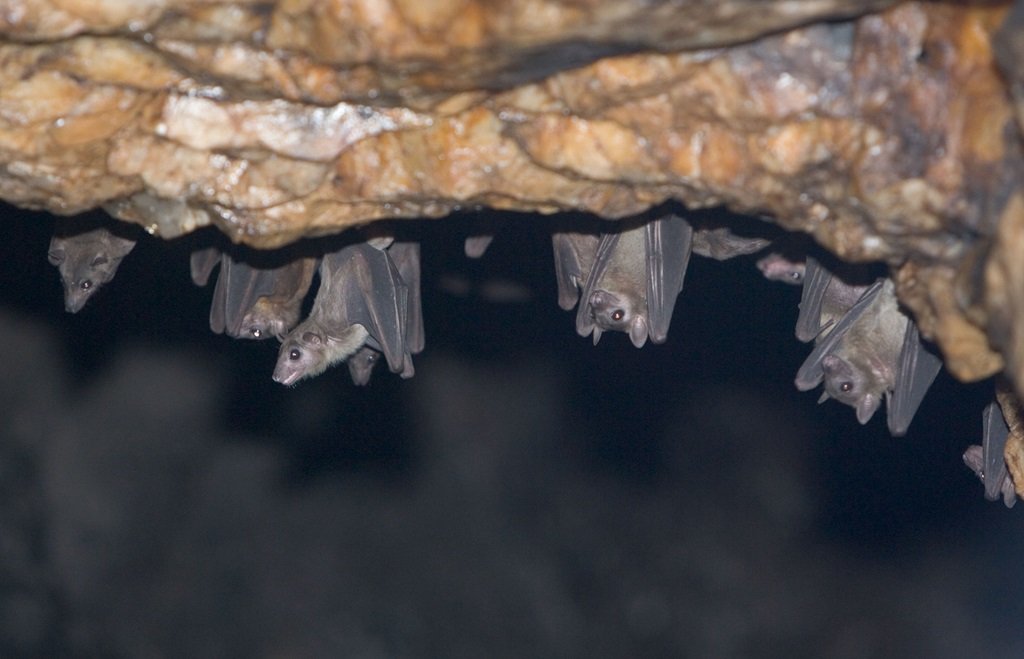


Rwanda is facing a public health crisis as an outbreak of the Marburg virus, a highly contagious and deadly disease similar to Ebola, has resulted in 10 confirmed deaths and over 27 reported cases. The outbreak, which was officially declared by the Ministry of Health on September 27, 2024, has predominantly affected healthcare workers. Authorities are working closely with international organizations to contain the outbreak and prevent its spread to neighboring countries.
Outbreak Overview
The Marburg virus, part of the same family as the Ebola virus, causes a severe and often fatal hemorrhagic fever. Transmission occurs through direct contact with the body fluids of an infected person or contact with materials contaminated with these fluids. The illness has a high fatality rate, ranging from 24% to 88%, depending on the outbreak and medical response available. There is currently no specific treatment or approved vaccine for Marburg virus disease, making supportive care and preventive measures crucial.
Since the first confirmed case in Rwanda, the situation has escalated rapidly. By September 30, the number of confirmed cases had risen to 27, and over 297 individuals who came in contact with infected patients are being closely monitored. The World Health Organization (WHO) is working with the Rwandan government to transport laboratory samples for confirmation and provide personal protective equipment to healthcare workers.
Government and International Response
The Rwandan government has implemented several strategies to address the outbreak, including isolating suspected cases, contact tracing, and enhancing infection prevention measures across health facilities. Risk communication and community engagement initiatives have also been intensified to educate the public about the symptoms and transmission of the virus.
In response, the Africa Centers for Disease Control and Prevention (Africa CDC) dispatched a team of experts to support Rwandan health authorities. The team is collaborating with the Ministry of Health and neighboring countries like Uganda, Tanzania, and the Democratic Republic of Congo to prevent cross-border transmission and strengthen regional surveillance.
WHO has assessed the risk of the outbreak as “very high” at the national level and “high” at the regional level due to Rwanda’s proximity to international borders and active trade routes. The organization is also working on the possible introduction of candidate vaccines and therapeutics in clinical trials.
Symptoms and Risk Factors
Marburg virus disease often begins with an abrupt onset of high fever, severe headache, and profound malaise. Within a few days, patients may experience severe watery diarrhea, abdominal pain, and nausea. In more severe cases, hemorrhagic symptoms such as bleeding from multiple areas of the body can occur between the fifth and seventh days. Most fatal cases result from severe blood loss and shock, usually within eight to nine days from the onset of symptoms.
The Rwandan Ministry of Health has urged residents to take precautions, such as frequent handwashing, avoiding contact with people showing symptoms, and reporting suspected cases to healthcare facilities immediately.
Outlook and Next Steps
The Rwandan government, in coordination with international health organizations, is implementing stringent measures to contain the outbreak and protect the public. The Ministry of Health is set to address the public alongside the Africa CDC on October 3 to discuss ongoing efforts to curb the spread of the disease.
While Rwanda has successfully managed similar outbreaks in the past, the rapid spread and high fatality rate of the Marburg virus highlight the urgent need for a coordinated response and international support.