
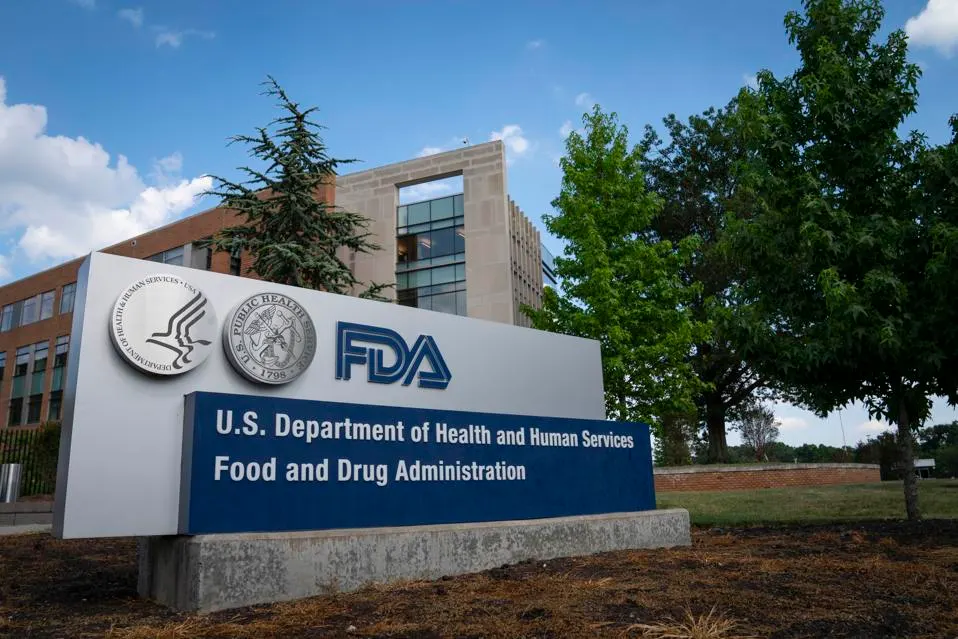


In a significant move, the U.S. Food and Drug Administration (FDA) announced the ban of Red No. 3, a widely used synthetic dye in the food industry. This decision comes after years of advocacy from consumer groups, health experts, and environmental organizations urging regulators to address concerns about its potential health risks.
The FDA’s ruling will affect a broad range of products, including candies, baked goods, and snack foods that rely on the dye for its bright cherry-red hue. Companies will now have to reformulate their products to comply with the ban, which aims to reduce exposure to harmful additives in the American food supply.
Concerns Over Red No. 3
The ban was driven by evidence linking Red No. 3 to adverse health effects. Studies have shown that high doses of the dye caused thyroid tumors in lab animals, raising concerns about its potential carcinogenic properties in humans. While the FDA prohibited its use in cosmetics in 1990, it had remained permissible in food and certain medications until now, drawing criticism from public health advocates.
Erik Olson, senior strategic director at the Natural Resources Defense Council (NRDC), applauded the decision, stating, “This is a victory for public health and consumer safety. For too long, synthetic dyes like Red No. 3 have posed unnecessary risks to children and adults alike.”
Impact on the Food Industry
Red No. 3 has been a staple in the food industry due to its vibrant color and cost-effectiveness. Its removal will require manufacturers to explore alternative options, including natural coloring agents such as beet juice, paprika extract, or annatto. While these alternatives may increase production costs, many companies are already shifting toward cleaner labels to meet consumer demand for transparency and healthier products.
Katherine Clark, a spokesperson for a leading confectionery brand, said, “We are committed to complying with the new regulations and are actively working on reformulations to ensure our products meet FDA standards without compromising quality.”
Eight Synthetic Dyes Remain
Despite the ban, eight other synthetic dyes continue to be approved for use in the United States. These include Yellow No. 5, Blue No. 1, and Red No. 40, all of which have also faced scrutiny for potential health impacts. Critics argue that the FDA should reassess these additives, given the evolving scientific understanding of their risks.
A report from the Center for Science in the Public Interest (CSPI) highlights that some synthetic dyes can cause hyperactivity in children and other health concerns. The organization has urged the FDA to take a broader approach to regulating food additives to prioritize public safety.
The FDA’s decision marks a pivotal step in addressing food safety concerns. Advocates hope this move will pave the way for stricter regulations on synthetic dyes and other potentially harmful additives.
As awareness about food additives grows, consumers are increasingly seeking products free from artificial colors and additives. This shift in preferences, coupled with regulatory changes, is expected to drive innovation in the food industry toward safer and more natural alternatives.