
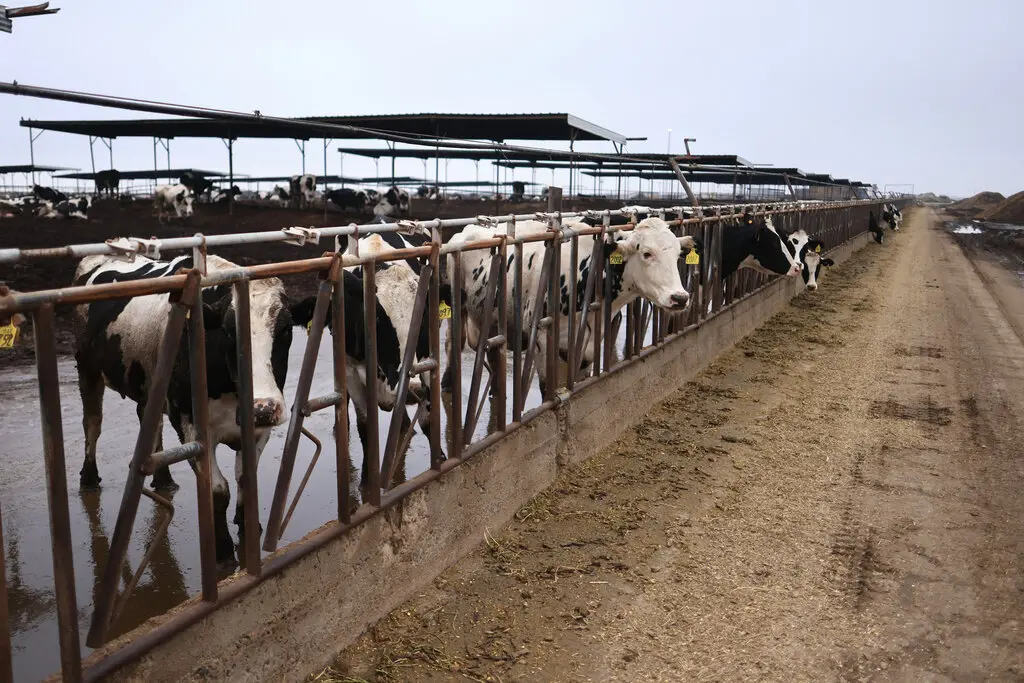


Governor Gavin Newsom has declared a state of emergency in California in response to a significant outbreak of bird flu, H5N1, among the state’s dairy cattle. This decision underscores the urgency of the situation as the virus spreads rapidly, posing potential risks to the livestock industry and public health.
Unprecedented Spread in Dairy Herds
California was not the first state to encounter H5N1 in dairy cattle. However, since the virus was first detected in late August, it has been identified in 645 dairy herds across the state—more than in any other state to date. Alarmingly, nearly half of these cases were reported in the past month, signaling an escalating trend.
“This is a serious threat to our agriculture sector, and we are taking immediate action to contain it,” Newsom said during a press briefing.
The outbreak is affecting dairy farms statewide, with many reporting decreased milk production and other symptoms among infected herds. While H5N1 has historically been associated with wild and domestic birds, its adaptation to cattle has raised new concerns among scientists and veterinarians.
Human Case Sparks Broader Concerns
The emergency declaration comes shortly after an individual in Louisiana was hospitalized with severe bird flu symptoms, marking the first confirmed human case of H5N1 in the United States. Although human infections remain rare, the case highlights the virus’s potential to cross species barriers and raises questions about broader implications for public health.
Dr. Emily Carter, an epidemiologist with the Centers for Disease Control and Prevention (CDC), emphasized that while the risk to the general public remains low, vigilance is critical. “The mutation of H5N1 into new hosts is concerning, and we are closely monitoring the situation for any signs of human-to-human transmission,” she said.
State and Federal Responses
In declaring the emergency, Governor Newsom outlined immediate measures to mitigate the outbreak’s impact. These include:
- Enhanced testing and monitoring of livestock.
- Quarantines for affected farms.
- Financial aid for farmers facing losses due to infected herds.
The U.S. Department of Agriculture (USDA) is also working closely with state officials to manage the outbreak. A federal task force has been deployed to assist with containment efforts and study the virus’s transmission dynamics.
Economic Implications for the Dairy Industry
California’s dairy industry, the largest in the country, is already feeling the strain. With hundreds of farms affected, milk production has declined, and the cost of mitigation measures is mounting. Experts warn that prolonged outbreaks could disrupt supply chains, potentially driving up dairy prices nationwide.
“This is unprecedented in scale and impact,” said Maria Lopez, a dairy farmer in the Central Valley. “We’re doing everything we can to protect our herds, but it’s a constant battle.”
What’s Next?
The declaration of emergency allows California to allocate additional resources and streamline containment efforts. However, experts caution that the situation remains fluid. Continued vigilance, enhanced biosecurity measures, and rapid response strategies will be essential to curbing the spread of H5N1.
As the state grapples with this crisis, the focus remains on safeguarding public health and stabilizing the agricultural sector.