
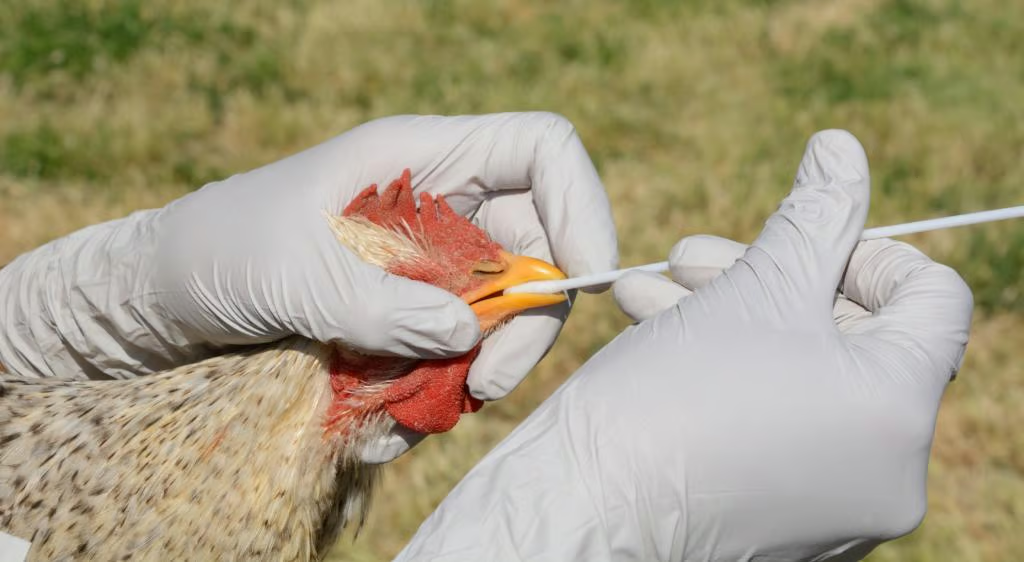


Washington, D.C. — The recent surge in confirmed human cases of bird flu, also known as avian influenza, is raising alarms across North America, with experts warning that the virus could pose a serious pandemic risk. Health officials in the United States and Canada are closely monitoring the situation after dozens of human cases were reported this year, sparking concern about potential outbreaks and the possibility of a wider health crisis.
Canada Confirms First Human Case of Bird Flu
In a worrying development, Canadian health authorities have confirmed the first human case of bird flu in British Columbia. A teenager was hospitalized in critical condition after being diagnosed with the disease. The exact circumstances of exposure are still under investigation, but the case has prompted swift action from health officials to track potential contacts and prevent further transmission.
The World Health Organization (WHO) has also issued guidance to Canadian authorities, emphasizing the need for heightened surveillance and preventive measures. Experts are concerned that the virus may be spreading more easily than in previous years, with the potential to jump from birds to humans, especially in regions where poultry outbreaks have been severe.
Rising Cases in the U.S.
The U.S. has also seen a marked increase in human cases of avian influenza. Dozens of confirmed infections have been reported in several states, particularly in areas with large commercial poultry operations. While human-to-human transmission of the bird flu remains rare, scientists warn that the virus could mutate and become more contagious, posing a significant threat to public health.
Dr. Maria Ochs, an infectious disease expert at the CDC, stated, “The bird flu virus has shown some alarming genetic changes in recent months. While it’s not yet a pandemic-level threat, we need to prepare for all scenarios, including the possibility of a wider outbreak.”
Could Bird Flu Lead to Lockdowns?
Given the increasing concerns over the spread of the bird flu virus, health experts are questioning whether it could lead to widespread lockdowns or quarantine measures, similar to those seen during the early stages of the COVID-19 pandemic. The economic and social impact of a potential bird flu lockdown would be significant, but many believe it’s crucial to remain vigilant.
“We must continue to monitor the virus closely and implement targeted measures to prevent further spread,” said Dr. Ochs. “There is no immediate need for panic, but we do need to stay ahead of the curve and be ready with containment strategies if the situation worsens.”
Symptoms, Risks, and Prevention
Experts emphasize that the bird flu virus primarily spreads through direct contact with infected birds or contaminated environments. However, human cases have been linked to close contact with infected poultry, particularly during outbreaks at farms or in markets.
The symptoms of bird flu in humans can include fever, cough, sore throat, muscle aches, and, in severe cases, respiratory failure. Anyone who develops symptoms after handling birds, particularly in outbreak areas, should seek medical attention immediately.
Prevention measures include avoiding contact with sick or dead birds, ensuring good hygiene when handling poultry, and following guidelines set by health authorities. Vaccines are currently being developed to combat avian influenza, but experts emphasize that the best protection remains avoiding exposure to infected birds.
What Comes Next?
As the situation unfolds, governments are taking proactive steps to monitor bird flu activity and prevent further human infections. The Centers for Disease Control and Prevention (CDC) and the World Health Organization (WHO) continue to issue updates and advice to the public, urging vigilance and preparedness.
While it is unclear whether bird flu will evolve into the next global pandemic, its potential impact remains a critical concern for health authorities worldwide. In the coming weeks, health experts will be closely watching how the virus spreads and what measures need to be taken to prevent a large-scale outbreak.