
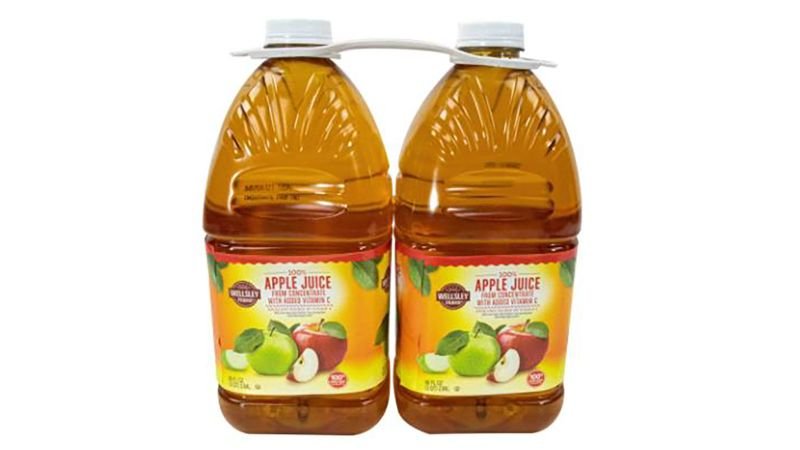


Aldi has issued a nationwide recall for its Nature’s Nectar 100% Apple Juice in 64-ounce bottles due to concerns over elevated levels of patulin, a toxic byproduct of mold that can form on apples during improper storage. The recall follows an independent laboratory test that revealed some batches exceeded the safety limits established by the U.S. Food and Drug Administration (FDA).
The recall, which affects multiple states, specifically targets bottles with the UPC code 041498148912 and certain expiration dates. Customers who purchased the affected product are advised to return it to any Aldi location for a full refund.
Overview of the Recall
The recall was initiated by Refresco Beverages US Inc., a Florida-based manufacturer, which voluntarily recalled an additional 141,300 cases of apple juice after testing revealed arsenic levels slightly above acceptable thresholds. This action follows a previous recall by Walmart of nearly 10,000 cases of its Great Value brand apple juice, which also raised similar concerns about arsenic contamination. The affected products were distributed to various retailers, including Aldi, Walgreens, and Dollar General, and were sold in numerous states, including Alabama, Florida, New York, and others, as well as Puerto Rico and the District of Columbia.
Affected Products
The following apple juice products are included in the recall:
- Nature’s Nectar 100% Apple Juice (64 oz) – Aldi; Best By Mar 26, 2025, and Mar 27, 2025
- Great Value 8 oz Apple Juice (6-pack) – Walmart; Best If Used By: Dec 26, 2024, Dec 27, 2024
- Great Value 96 oz Apple Juice – Walmart; Best If Used By: Dec 26, 2024, Dec 27, 2024, Dec 28, 2024
- Market Basket 100% Apple Juice (64 oz) – Market Basket; code 032525
- Nice! 100% Apple Juice (64 oz) – Walgreens; Best By Mar 25, 2025
- Weis 100% Apple Juice (64 oz) – Weis Markets; Sell By Mar 25, 2025
- Urban Meadow 100% Apple Juice (64 oz) – Brooklyn Fare; Best By Mar 26, 2025
- Wellsley Farms 100% Apple Juice (96 oz) – BJ’s and Walmart; Use By Mar 26, 2025
- Solevita 100% Apple Juice (64 oz) – Lidl US; Best By Mar 27, 2025
- Clover Valley 100% Apple Juice (64 oz) – Dollar General; Best By Mar 27, 2025
- Tropical Delight 100% Apple Juice (64 oz) – Various retailers in New York; Best By July 25, 202512.
Health Concerns
Arsenic is a naturally occurring element that can be found in various food products, including apple juice. While low levels of both inorganic and organic arsenic are typically present in foods, the FDA has established guidelines to limit exposure due to the potential health risks associated with higher concentrations. Inorganic arsenic is particularly concerning, as it is classified as a carcinogen by the Environmental Protection Agency (EPA) and can cause serious health issues, including cancer, when consumed in significant amounts over time
1.According to the FDA, the levels of arsenic found in the recalled apple juice are low enough that they are not expected to cause severe health consequences. However, the agency has advised consumers to avoid drinking the affected products and to return them to the place of purchase for a full refund. Symptoms of arsenic exposure can include vomiting, abdominal pain, diarrhea, numbness, and muscle cramping, although the FDA has not reported any illnesses linked to this specific recall.
What Is Patulin and Why Is It Dangerous?
Patulin is a mycotoxin that can be produced by certain molds, particularly those that grow on damaged or rotting fruit like apples. While most fruits and vegetables undergo thorough inspections during production, contamination can sometimes occur during harvesting, processing, or storage.
The FDA has set a limit of 50 parts per billion (ppb) of patulin in apple-based products, including juices, to protect consumers. Exposure to patulin in high quantities can lead to various health issues, especially in children, pregnant women, and individuals with weakened immune systems. Symptoms of patulin poisoning can include nausea, vomiting, gastrointestinal discomfort, and more severe reactions if consumed in large amounts over time.
While patulin is a rare contaminant in modern food systems due to strict regulations and safety measures, it remains a concern when found in consumable products, especially those marketed towards children, like apple juice.
Aldi’s Response and Consumer Safety
Upon receiving the test results, Aldi took immediate action by pulling the affected batches from store shelves across the United States. The company has also set up a customer service hotline and has updated its website to provide consumers with instructions on how to identify and return the recalled products.
In a statement, Aldi said:
“The safety of our customers is our top priority. We are working closely with our suppliers and regulatory agencies to investigate how this contamination occurred and to ensure that future products meet all safety standards.”
Aldi also reassured consumers that, as of the recall, there have been no reported cases of illness linked to the apple juice. However, the company encourages consumers to err on the side of caution and refrain from consuming the product if it matches the recall details.
FDA and Food Safety Protocols
The recall highlights the important role the FDA plays in regulating food safety and enforcing compliance among food producers and retailers. Under the Food Safety Modernization Act (FSMA), the FDA has the authority to inspect food production facilities, enforce recalls, and ensure that food products meet the necessary safety standards.
While recalls like this one can create short-term concerns for consumers, they are crucial for preventing widespread public health issues. In this case, Aldi’s swift action in recalling the product reflects the effectiveness of these protocols in protecting consumers.
Advice for Consumers
Consumers who have purchased the affected Nature’s Nectar 100% Apple Juice should check the UPC code and expiration date on their bottle. If it matches the details provided by Aldi, it should be returned to the nearest store for a full refund.
For those who may have already consumed the juice, the FDA recommends monitoring for any symptoms such as nausea or gastrointestinal discomfort. While the risk is considered low, any concerns about patulin exposure should be addressed by contacting a healthcare provider.
Consumers can also visit the FDA’s recall database for more detailed information about the recalled products or reach out to Aldi’s customer service team through their website or hotline.
What This Means for the Industry
The recall sheds light on the challenges retailers and producers face in maintaining food safety standards, particularly when sourcing products from global supply chains. While large-scale recalls can be damaging to a company’s reputation, they also emphasize the importance of transparency and consumer protection in the food industry.
For Aldi, a global supermarket giant known for offering budget-friendly products, the recall is a reminder of the risks inherent in mass-produced food products. However, by acting swiftly and transparently, Aldi aims to minimize the impact on its customers and restore confidence in its product safety.
As the investigation into the contamination continues, Aldi has stated it is reviewing its production and quality control processes to prevent future occurrences of similar issues. In the meantime, the company remains committed to keeping its customers informed and safe.