
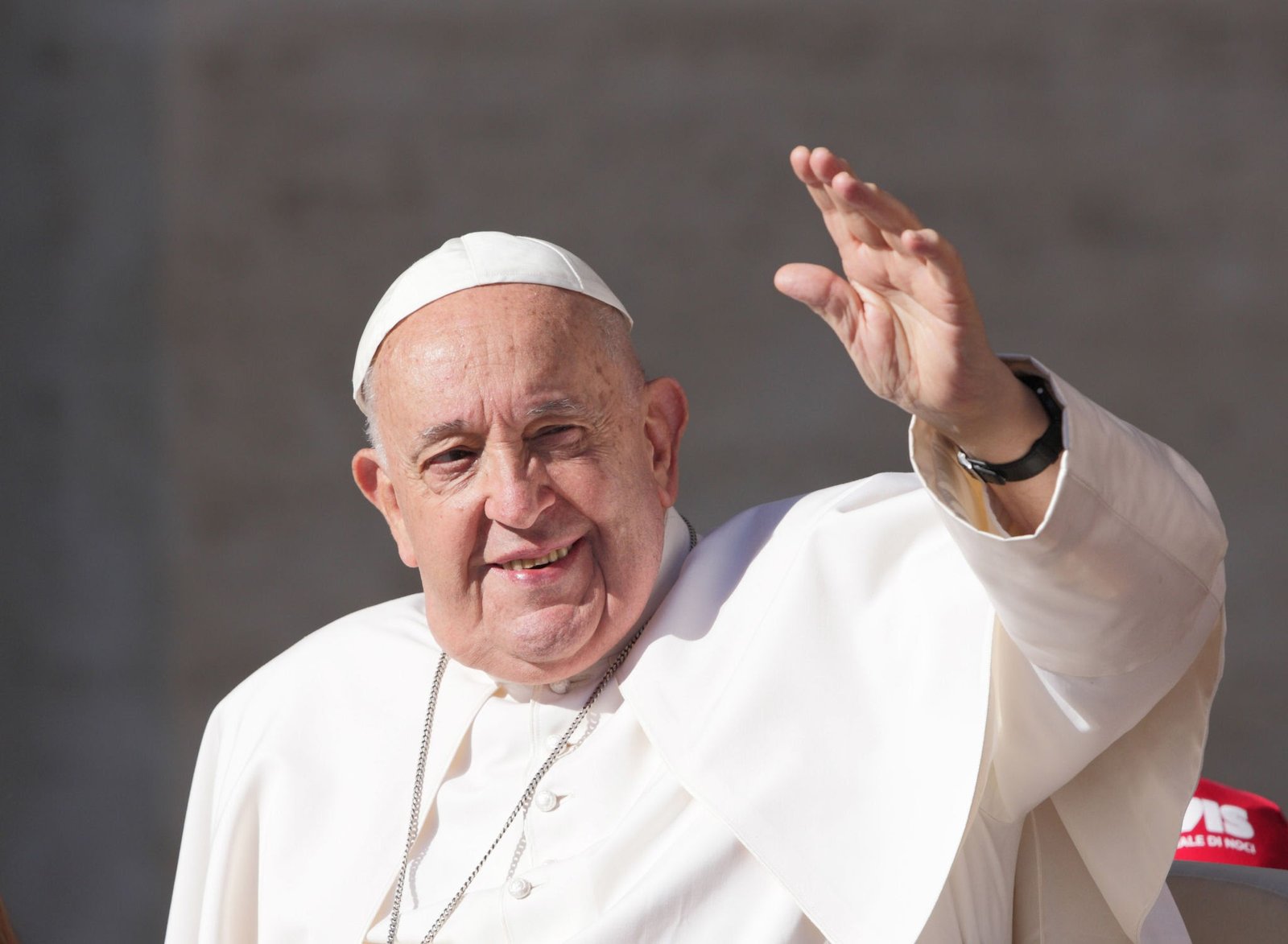


Pope Francis has issued a new encyclical titled He Loved Us, calling on Catholics worldwide to reject the rising tide of individualism and seek deeper spiritual meaning in today’s fast-paced world. In the letter, the pontiff emphasizes themes of community, solidarity, and selflessness, offering guidance to those struggling to find purpose amid the challenges of modern society.
Released earlier this week, He Loved Us explores the importance of embracing a collective spirit, rooted in the teachings of Jesus Christ. Pope Francis highlights the danger of self-centered attitudes, which he believes undermine the unity and compassion that the Church strives to foster. “Individualism distances us from each other and from God’s love,” the pope writes, urging Catholics to look beyond their own needs and to prioritize the well-being of others.
The encyclical addresses a variety of societal issues, from economic inequality and social isolation to the impact of technology on human relationships. Pope Francis expresses concern that many people are losing a sense of shared responsibility, instead focusing on personal success and self-interest. He argues that such attitudes erode the foundational values of compassion and mutual aid that are central to Christian teachings.
In his letter, Francis also reflects on the spiritual struggles that many people face in the digital age. With lives increasingly dominated by technology, the pontiff warns that individuals risk becoming disconnected from the deeper, contemplative aspects of their faith. He encourages Catholics to take time for prayer, reflection, and meaningful human connection as antidotes to the distractions of modern life.
Throughout He Loved Us, Pope Francis draws inspiration from the example of Jesus’ life and teachings, calling on the faithful to practice humility and to seek out those who are marginalized or in need. “True happiness is not found in serving ourselves but in serving others,” he writes. The encyclical stresses that a life centered on love and service can lead to a more profound sense of fulfillment, both spiritually and personally.
The document has been met with interest and discussion among Catholic communities worldwide. Some see it as a direct response to the growing divisions within the Church and society at large, as well as a call to action for Catholics to live out their values more authentically. Others view it as a broader reflection on the challenges posed by modernity and the need for a renewed emphasis on spiritual life.
Pope Francis’ message is especially timely given the ongoing societal shifts that have been accelerated by the global pandemic. The isolation and economic uncertainty of recent years have deepened many individuals’ sense of disconnection and disillusionment, making the call for solidarity and community feel all the more urgent.
While the pope’s stance on rejecting individualism may resonate deeply with many Catholics, it also poses a challenge to cultural norms in societies where individual achievement is often celebrated. In his typical fashion, Francis does not shy away from critiquing the excesses of contemporary culture, urging believers to adopt a countercultural approach that emphasizes the common good.
He Loved Us is the latest in a series of encyclicals and statements from Pope Francis that address social and spiritual issues of the modern world. Like his previous writings, this new document emphasizes the importance of caring for one another and creating a more inclusive and compassionate world. Francis remains steadfast in his belief that the Church has a crucial role to play in fostering a spirit of unity and love among all people.
As Catholics around the world digest the themes of the new encyclical, Pope Francis’ message serves as a reminder of the power of community and the enduring values at the heart of the faith. Through He Loved Us, he hopes to inspire believers to live out these values, finding deeper meaning and purpose in their relationships with God and with each other.