
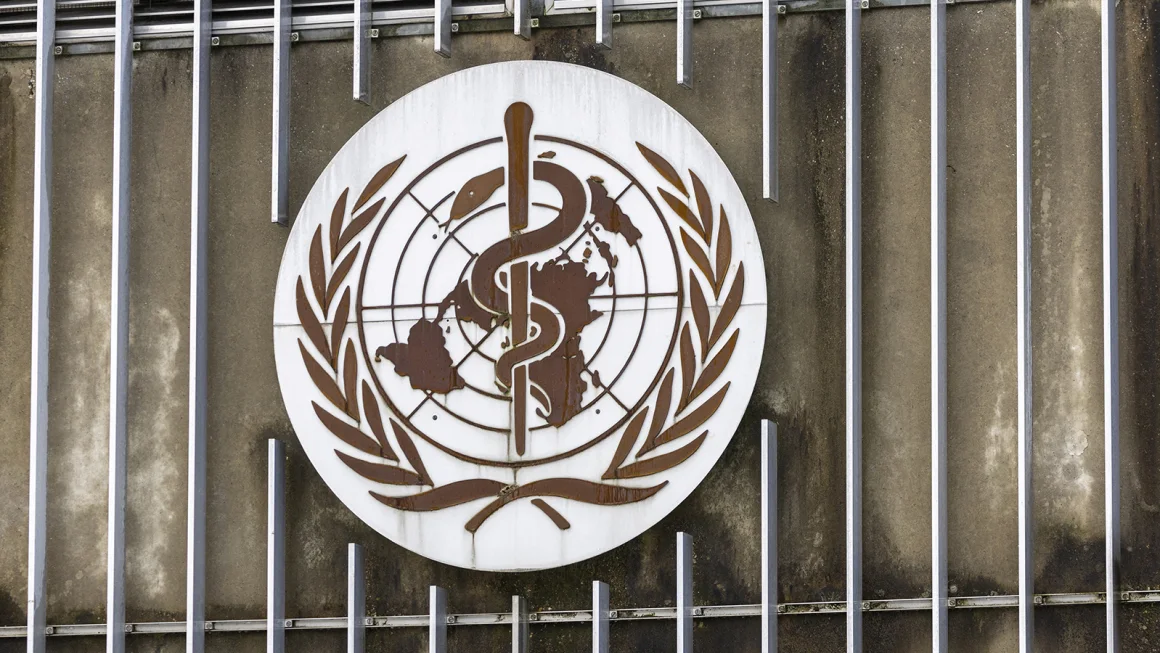


In a move reigniting global debate, former President Donald Trump has announced the United States will withdraw from the World Health Organization (WHO). The decision, formalized through an executive order on his first day back in the White House, has drawn sharp criticism from public health experts and international organizations.
The executive order outlines Trump’s reasons for the withdrawal, emphasizing what he described as the WHO’s “mishandling of the COVID-19 pandemic,” its failure to implement necessary reforms, and its susceptibility to political influence from member states. Trump had initially started the withdrawal process in July 2020, amid growing criticism of the organization’s response to the pandemic, but the decision was reversed by President Joe Biden in early 2021.
“This is a significant step,” Trump remarked as he signed the order, reiterating his longstanding criticism of the WHO. He pointed to what he views as disproportionate U.S. funding compared to other nations and accused the organization of failing to act independently. Trump also doubled down on accusations that the WHO had aided China in allegedly obscuring the origins of COVID-19, which first emerged in Wuhan, China in late 2019.
A History of Criticism
Trump’s contentious relationship with the WHO dates back to the early days of the pandemic. In 2020, he accused the organization of being overly reliant on China and failing to provide timely, accurate information that could have mitigated the global spread of the virus. During his administration, he also criticized the funding structure of the organization, highlighting that the United States contributed significantly more than many other member countries.
When Biden took office in January 2021, one of his first actions was to halt the U.S. withdrawal from the WHO. At the time, Biden emphasized the importance of global collaboration in addressing health crises, particularly in combating the ongoing COVID-19 pandemic.
Global Reactions
The decision to withdraw has already sparked backlash from public health experts, who argue that the move undermines international cooperation during critical health emergencies. Dr. Anthony Fauci, a key figure during the U.S. pandemic response, previously stressed that a strong relationship with the WHO is vital for managing global health threats.
Meanwhile, international leaders have expressed concern over the U.S.’s departure from the organization. Many fear the move could weaken coordinated global efforts to address emerging health crises. Critics have also pointed out that the WHO’s work extends far beyond COVID-19, addressing issues such as vaccine distribution, disease eradication, and health infrastructure in low-income countries.
What’s Next?
The U.S. withdrawal will likely lead to adjustments in funding and collaboration on health initiatives. In 2020, the United States contributed nearly $400 million to the WHO, making it one of the organization’s largest funders. Experts warn that reduced funding could jeopardize key health programs worldwide.
Trump’s renewed criticism of the WHO aligns with his broader skepticism toward international organizations, which he has often portrayed as inefficient and overly influenced by political interests. While supporters of the withdrawal argue that it signals a push for greater accountability, opponents view it as a step backward in the fight against global health challenges.