
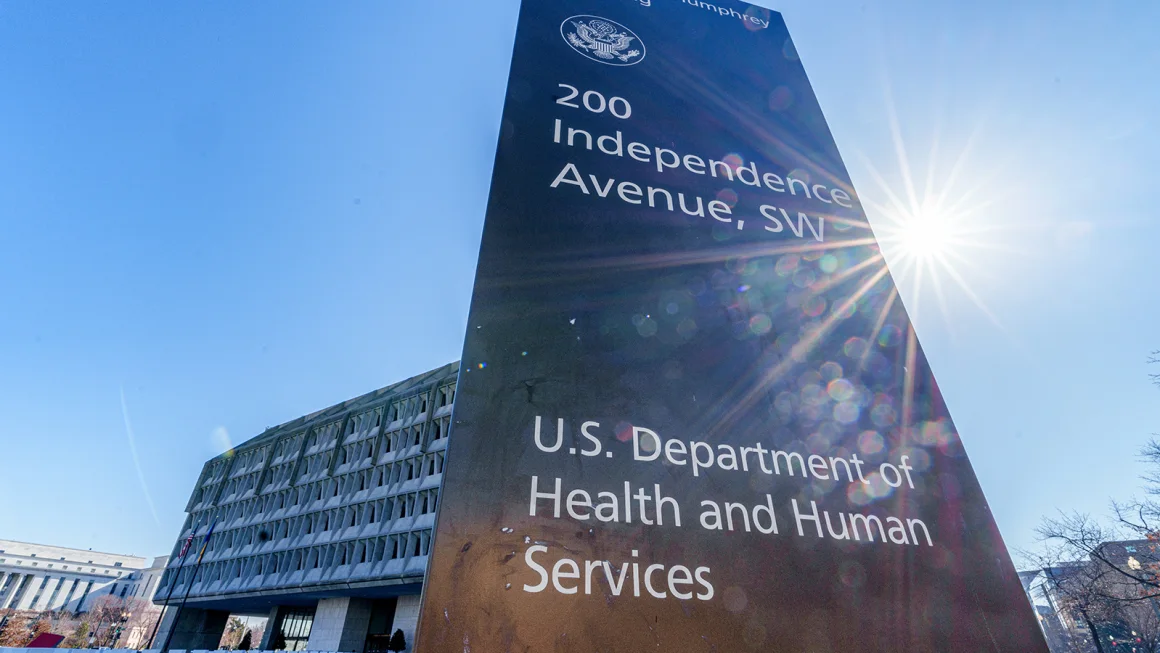


In a move that has raised concerns across health and scientific communities, the Trump administration has directed federal health agencies to temporarily pause external communications. The directive, issued earlier this week, affects key agencies within the Department of Health and Human Services (HHS), including the Food and Drug Administration (FDA), the Centers for Disease Control and Prevention (CDC), and the National Institutes of Health (NIH).
The initial orders were communicated to agency staff on Tuesday without prior notice or detailed guidance, according to sources within the affected agencies. These measures, first reported by The Washington Post, include halting regular scientific reports, updates to official websites, health advisories, and press releases.
A follow-up memo from Acting Health Secretary Dr. Dorothy Fink, obtained by CNN on Wednesday, clarified that the directive will remain in effect through February 1. Dr. Fink emphasized the need for heightened oversight as the administration transitions into new federal policy and public communication processes.
The memo outlined specific restrictions, mandating that all public-facing documents and communications—including regulations, guidance documents, social media posts, websites, and official correspondence—be reviewed and approved by a presidential appointee before publication or release. Additionally, agency employees were instructed to refrain from public speaking engagements or issuing official communications to Congress or state governors without prior approval.
“As the new administration considers its plan for managing the federal policy and public communications processes, it is important that the President’s appointees and designees have the opportunity to review and approve any regulations, guidance documents, and other public documents and communications,” Fink stated in the memo.
Despite the directive, there are provisions for exemptions in urgent cases. Employees were advised to notify leadership about documents or communications critical for public health, safety, or other legal obligations. For instance, on Wednesday morning, the FDA released a safety communication regarding a rare but serious allergic reaction linked to the multiple sclerosis drug glatiramer acetate (marketed under brand names like Copaxone).
The unexpected directive has drawn criticism from health experts and advocacy groups, who warn that such restrictions could delay critical public health information and undermine transparency. The timing of the order, amid a global health landscape marked by ongoing challenges, has also raised questions about the potential impact on public trust and communication.
Federal health agencies play a vital role in delivering timely and accurate health information to the public. Critics argue that requiring pre-approval from political appointees could slow down the dissemination of life-saving data. Additionally, the restrictions on public engagements have sparked concerns about the ability of scientists and health officials to communicate directly with the public and stakeholders.
The Trump administration has previously faced scrutiny for its handling of scientific communication, with allegations of political interference in health-related messaging. This latest directive underscores the ongoing tension between scientific agencies and political oversight.
With the February 1 deadline approaching, it remains to be seen how the temporary measures will impact the agencies’ ability to fulfill their public health mandates. Health officials and advocacy groups are calling for clarity on how exemptions will be handled to ensure critical health updates continue to reach the public without unnecessary delays.