
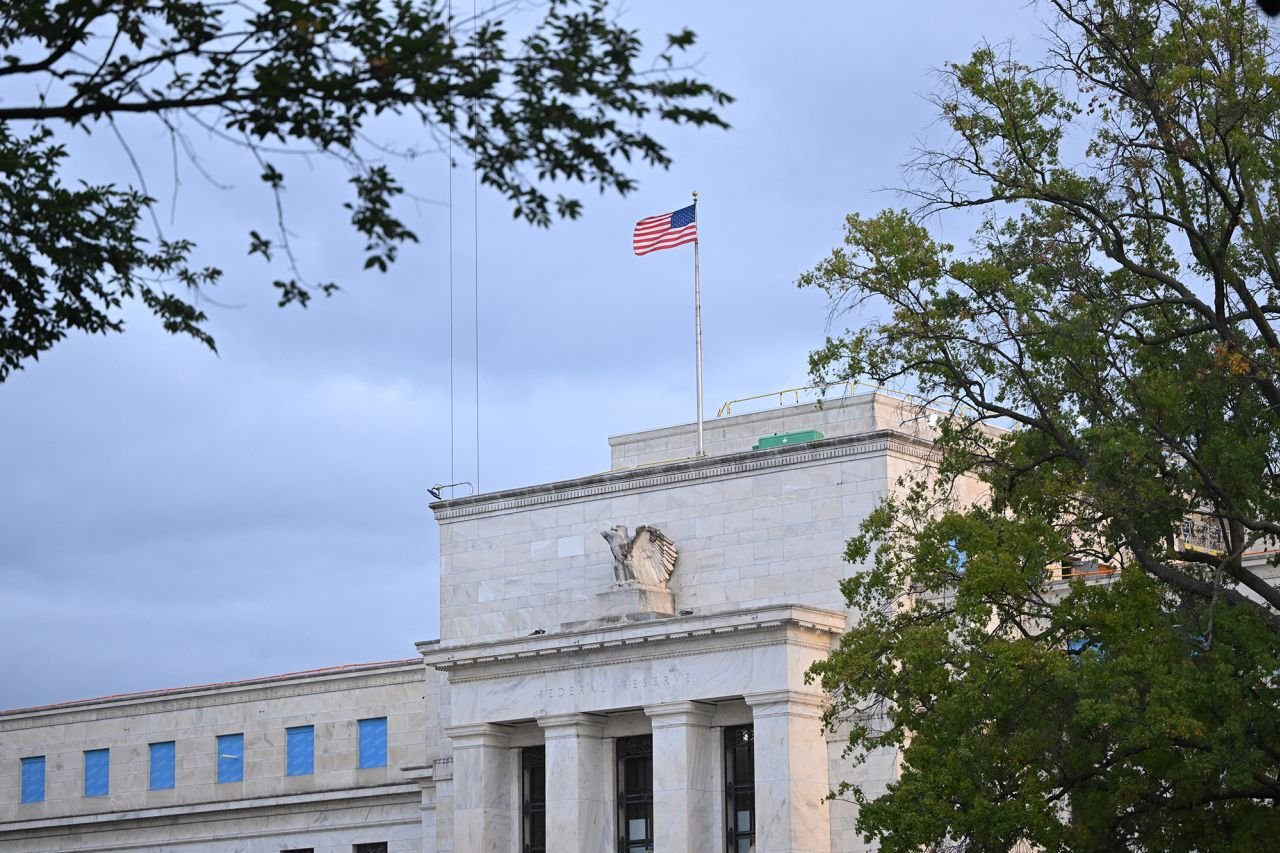


In a significant move, the Federal Reserve has lowered interest rates for the third time this year, signaling continued efforts to stabilize the U.S. economy amid lingering economic uncertainties. The decision, announced after the Federal Open Market Committee’s (FOMC) December meeting, reduces the benchmark federal funds rate by 0.25%, bringing it to a range of 4.75% to 5.00%.
This latest cut is part of a broader strategy by the central bank to counteract slowing economic growth and tame persistent inflation. Despite signs of economic resilience earlier in the year, challenges such as tightening credit conditions and geopolitical uncertainties have weighed on consumer spending and business investment.
Reasons Behind the Rate Cuts
The Fed’s decision to slash rates reflects a commitment to ensuring economic stability. Officials highlighted softer-than-expected growth in several sectors, including housing and manufacturing, which have shown signs of cooling off after an initial rebound in early 2024. Additionally, global factors such as volatile energy markets and ongoing geopolitical tensions have further pressured economic conditions.
Inflation, although moderating, remains above the Fed’s 2% target, adding complexity to the central bank’s policy approach. “We are acting decisively to address the challenges in front of us,” Fed Chair Jerome Powell stated during a press conference. “Our goal remains to foster sustainable growth and bring inflation under control without triggering a recession.”
Market Reaction
Financial markets responded swiftly to the announcement. The Dow Jones Industrial Average surged nearly 400 points in intraday trading, reflecting optimism among investors that the Fed’s actions could provide a boost to the slowing economy. Meanwhile, bond yields dipped, with the 10-year Treasury yield falling to 3.85%.
Analysts noted that the Fed’s third rate cut reinforces its dovish stance, aimed at preventing economic stagnation while managing inflationary pressures. However, some voiced concerns about the potential risks of over-stimulating the economy. “While rate cuts provide short-term relief, they could fuel imbalances in the long term,” said an economist from Goldman Sachs.
Impact on Consumers
For consumers, the Fed’s rate cuts could offer both opportunities and challenges. Lower interest rates often translate to reduced borrowing costs for mortgages, auto loans, and credit cards, making it easier for individuals to finance big-ticket purchases. However, savers may see diminished returns on deposits and savings accounts.
Small businesses and corporations, on the other hand, are likely to benefit from cheaper credit, potentially spurring investment and expansion. Despite this, economic uncertainties may temper their appetite for taking on additional debt.
Looking Ahead
The Fed’s outlook remains cautiously optimistic but uncertain. Powell indicated that future rate decisions will depend on incoming economic data. The central bank will closely monitor inflation trends, labor market conditions, and global developments to determine whether additional policy adjustments are needed.
Economists are divided on whether the Fed’s aggressive approach will achieve its desired balance. Some argue that these rate cuts could successfully engineer a “soft landing” for the economy, while others warn of potential overheating or the resurgence of inflationary pressures in 2025.
As the year closes, the Fed’s actions underscore its pivotal role in shaping the U.S. economic landscape. With three rate cuts already implemented in 2024, the coming months will reveal whether this strategy effectively stabilizes the economy or if further intervention will be required.