
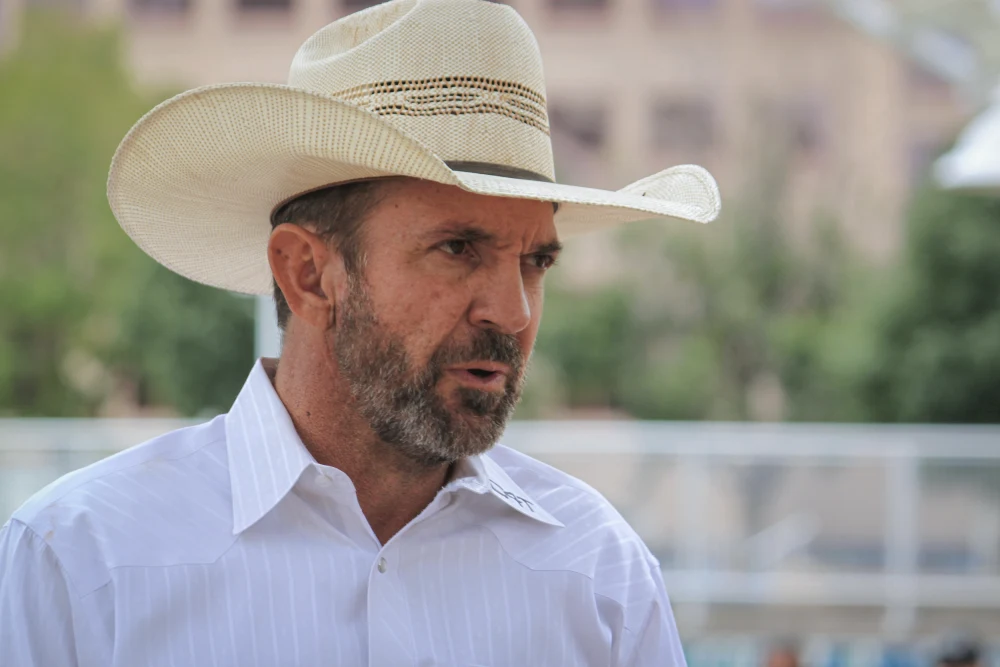


Washington, D.C. – The Supreme Court may step in to review the case of Couy Griffin, the leader of the ‘Cowboys for Trump’ group, after a D.C. appellate panel upheld his conviction for trespassing related to the January 6 Capitol riot. The ruling, which drew a dissent from a Trump-appointed judge, has raised questions about the broader implications for other defendants charged in connection with the riot.
Background on the Case
Couy Griffin was convicted of misdemeanor trespassing after he entered the Capitol grounds during the violent events of January 6, 2021. As a prominent supporter of former President Donald Trump, Griffin has been an outspoken figure in the ongoing political discourse surrounding the events of that day. His conviction has been viewed as part of a larger crackdown on individuals involved in the Capitol insurrection.
D.C. Panel’s Ruling
On Tuesday, a three-judge panel of the D.C. Circuit Court upheld Griffin’s conviction, maintaining that the evidence presented during the trial sufficiently demonstrated his trespassing on restricted grounds. However, one judge dissented, arguing that Griffin’s actions did not meet the legal definition of trespassing under the circumstances. This dissenting opinion could play a critical role in prompting the Supreme Court to take up the case.
Potential Supreme Court Intervention
Legal experts believe the dissenting opinion may provide the necessary grounds for the Supreme Court to intervene. If the justices decide to hear Griffin’s appeal, it could set a significant precedent regarding the legal boundaries of protests and political gatherings, especially concerning the rights of individuals associated with controversial political movements.
Broader Implications
The outcome of Griffin’s case may also have repercussions for other defendants facing similar charges related to the Capitol riot. As courts continue to grapple with the complexities of the January 6 events, the Supreme Court’s involvement could either reaffirm or challenge the current legal interpretations of trespassing and other related offenses.
Griffin’s supporters argue that his conviction is part of a broader political witch hunt targeting Trump supporters, while opponents contend that accountability for the Capitol riot is essential for upholding the rule of law.
As the situation develops, all eyes will be on the Supreme Court to see whether it will choose to review Griffin’s case and potentially alter the trajectory of justice for those involved in the January 6 events.