
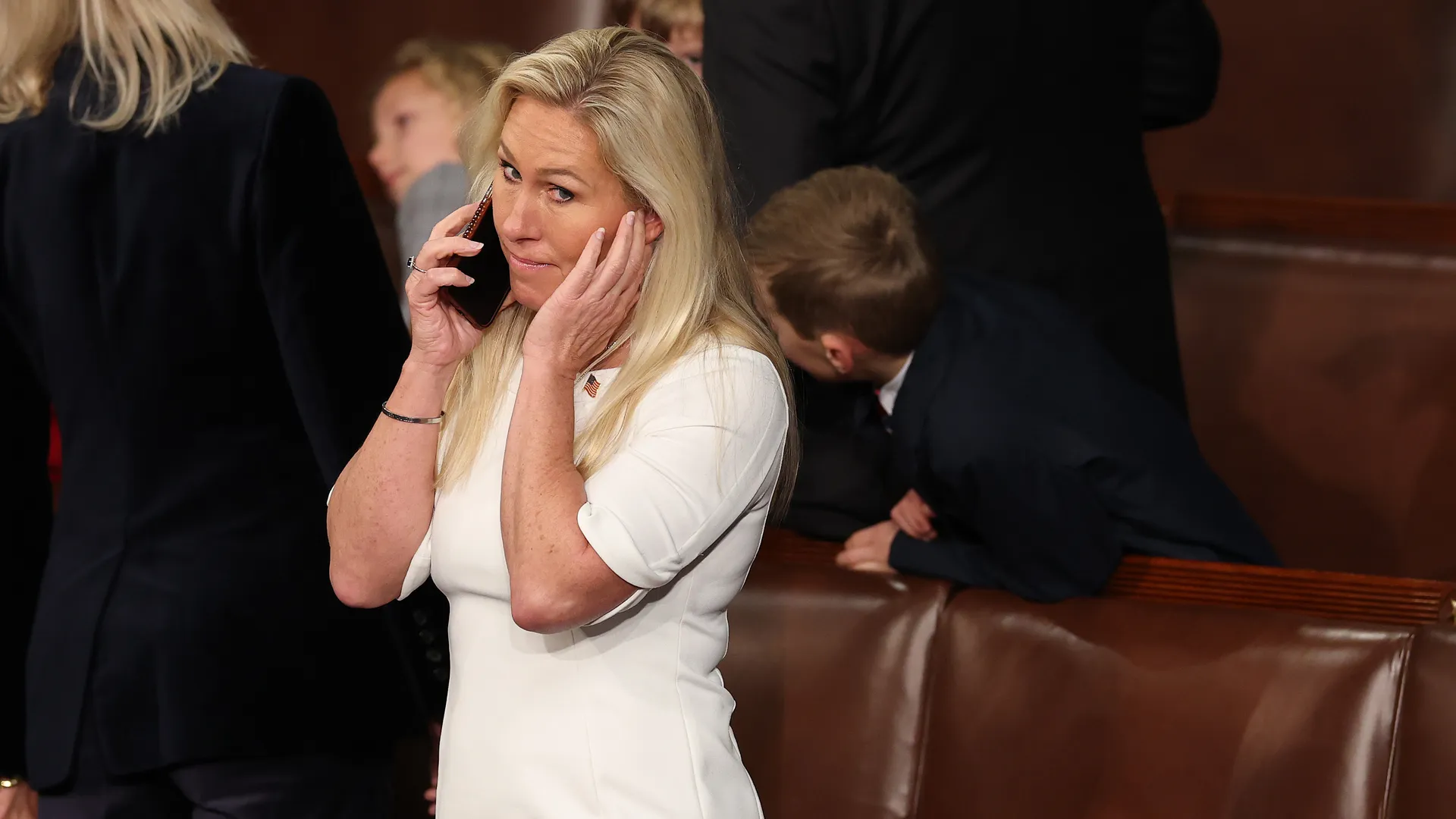


Rep. Marjorie Taylor Greene (R-Ga.) announced on Tuesday that she plans to introduce legislation aimed at renaming the Gulf of Mexico to the “Gulf of America.” The proposal comes after former President Donald Trump floated the idea during a recent press conference, which also saw him discussing the potential U.S. acquisition of territories such as Greenland and Panama through military means.
The Inspiration Behind the Bill
Greene revealed on a podcast with conservative influencer Benny Johnson that she was “so fired up” by Trump’s comments that she instructed her staff to immediately draft legislation for the name change. Trump, known for his imperialistic rhetoric, previously suggested the idea of seizing Panama, Greenland, and even Canada, with some of his remarks coming across as facetious. His public statements resonated with Greene, prompting her to introduce the bill.
“The Gulf of Mexico is a historic body of water, but I believe it’s time for America to reclaim that space,” Greene said on the podcast, emphasizing the importance of aligning such landmarks with American values and identity.
The Proposal and Potential Impact
While details of the proposed bill remain scarce, Greene hinted that it would require federal agencies, including the U.S. military, to officially adopt the “Gulf of America” name in all official communications. This could involve changes to maps, military documentation, and even public education materials.
There is significant interest among Greene’s Republican colleagues to co-sponsor the legislation, a source close to the matter confirmed. Despite this support, the bill is expected to face significant hurdles. Experts suggest that the bill’s chances of clearing the Senate’s 60-vote filibuster threshold are slim, making it a long shot for passage.
However, Greene may attempt to attach it to a larger legislative package, though the bill’s potential financial implications could complicate matters. Renaming a major body of water would likely require federal funding for enforcement, a factor that could alienate some of Greene’s conservative colleagues who are generally opposed to increased government spending.
A Symbol of Growing Divisions
The proposal reflects the growing influence of conservative figures like Greene and Trump, who continue to push for nationalistic policies and a revision of U.S. history and geography. By renaming the Gulf of Mexico, Greene could be symbolically aligning the U.S. with a vision of American exceptionalism that disregards the region’s history as a crossroads of indigenous, European, and African cultures.
Supporters of the bill argue that the name change would reinforce American identity, while critics view it as a politically charged move designed to stir controversy and division. In addition, environmental advocates may see the change as a distraction from more urgent issues, such as climate change and the protection of coastal ecosystems.
What’s Next?
Although the “Gulf of America” bill is unlikely to become law anytime soon, its introduction has sparked a national conversation about identity, history, and the future of U.S. foreign policy. Whether it will gather enough momentum to reach a vote remains to be seen, but it is clear that Greene and her supporters are ready to push the envelope on bold, symbolic changes in the coming years.
As the bill works its way through legislative channels, Greene’s rhetoric and approach will likely continue to fuel debates about the direction of U.S. politics, further highlighting the deep ideological divides between conservatives and progressives in America.