
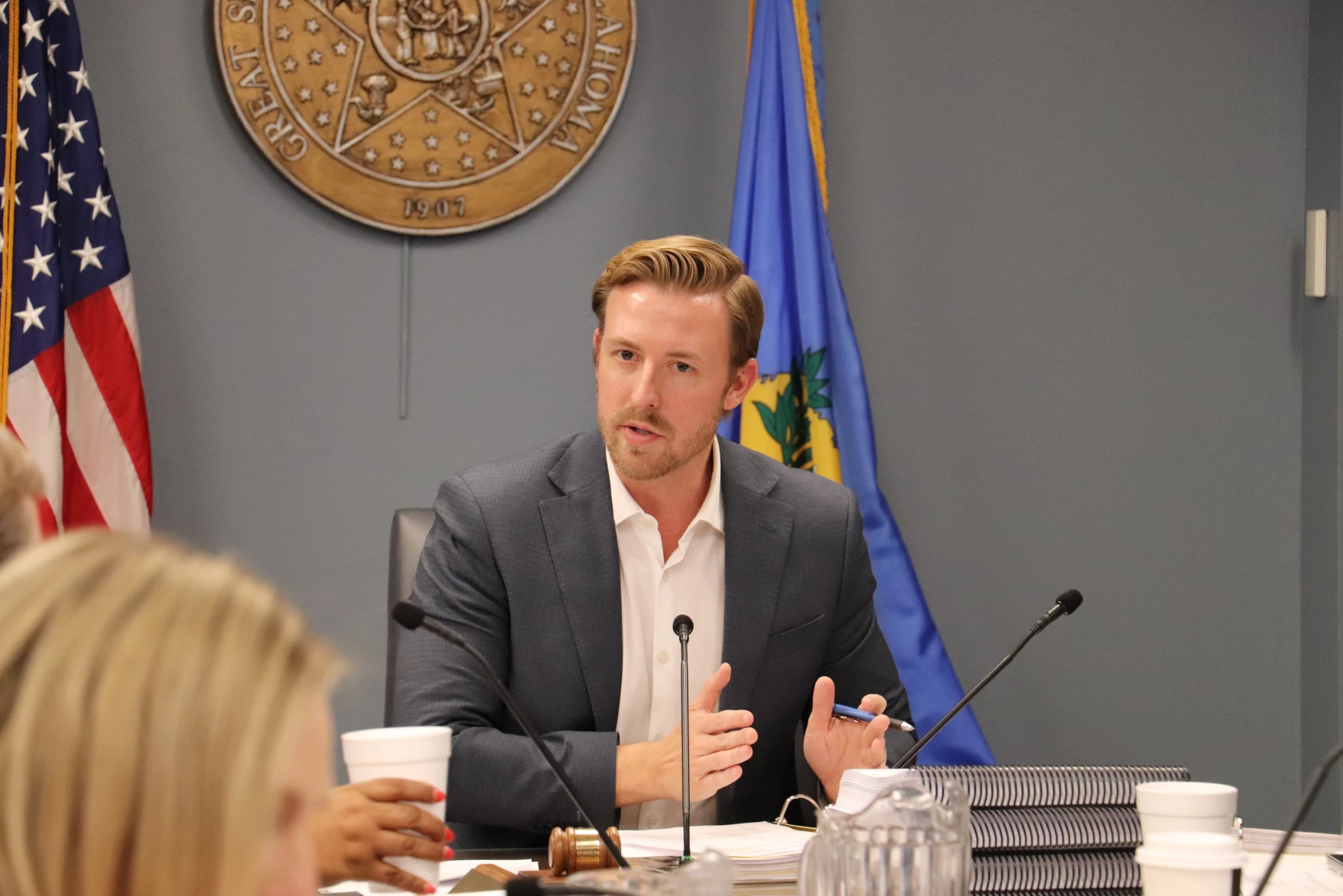


Oklahoma City, OK – Controversy continues to mount in Oklahoma after at least seven public school superintendents refused to comply with State Superintendent Ryan Walters’ directive to show a prayer video featuring him addressing students. The move has drawn criticism and legal clarification from the state attorney general, who stated that Walters lacks the authority to mandate such content in classrooms.
The Prayer Video and Superintendent’s Push
The video, which features Walters praying for former President Donald Trump and encouraging religious expression, was sent to schools with instructions for educators to show it to students. Walters, a polarizing figure in Oklahoma politics, framed the video as a promotion of traditional values and patriotism.
“This video underscores the importance of faith and leadership in our nation,” Walters said in a public statement. “I urge all schools to include it as part of their curriculum.”
Resistance from Superintendents
However, superintendents across the state are pushing back. “We have a responsibility to uphold the constitutional separation of church and state,” said one superintendent who declined to air the video. “Mandating prayer in public schools sets a dangerous precedent.”
Legal experts and advocacy groups have also raised concerns, arguing that the directive could violate the First Amendment by promoting religious activities in a secular public institution.
Attorney General’s Response
The Oklahoma Attorney General’s Office weighed in, clarifying that Walters does not have the legal power to enforce the showing of the video. “No state official, including the superintendent, can compel schools to promote religious practices,” the AG’s statement read.
The office warned that any school airing the video could risk legal challenges for infringing on students’ rights to freedom of religion.
Public Reaction
The debate has sparked intense discussion among parents and community leaders. Supporters of Walters argue that the video promotes unity and moral grounding, while critics view it as a breach of constitutional principles.
The situation highlights ongoing tensions over the role of religion in public schools, with further legal and public discourse expected as the controversy unfolds.