
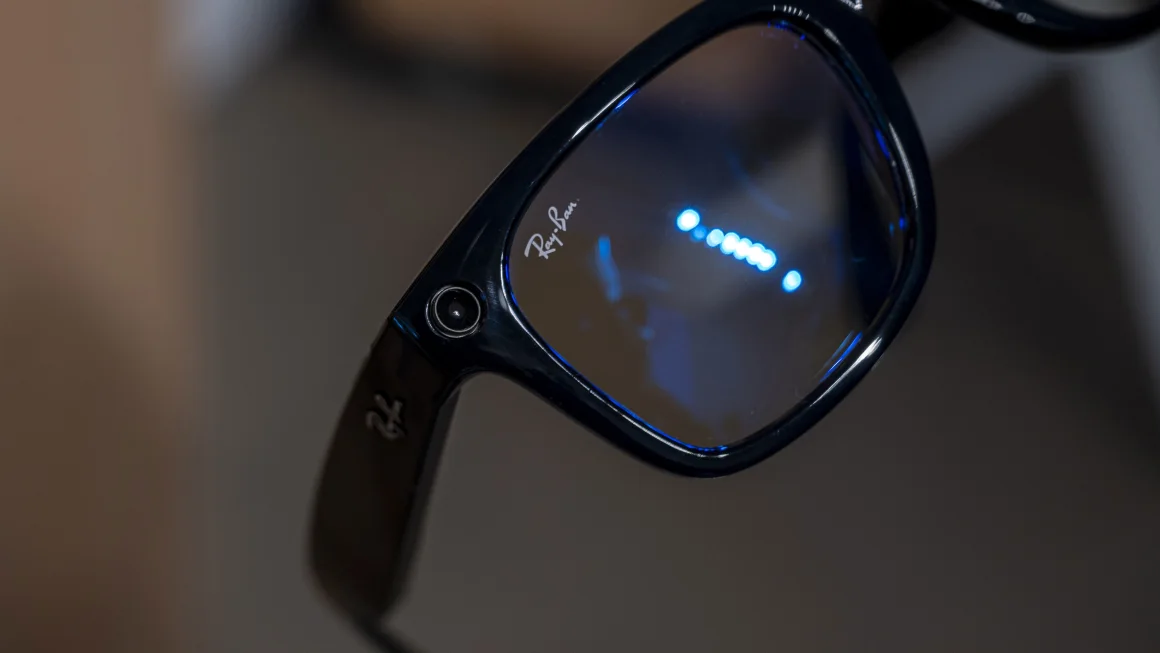


In a shocking incident that has raised significant concerns over privacy and security, the attacker involved in a recent violent incident in New Orleans was reported to have worn Meta glasses during the assault. These smart glasses, which are part of Meta’s (formerly Facebook) effort to integrate wearable technology with everyday life, have raised questions about their capabilities and potential misuse. Here’s a breakdown of what Meta glasses can do and why their involvement in such an event is cause for concern.
What Are Meta Glasses?
Meta glasses, initially known as Ray-Ban Stories, are a result of a collaboration between Meta and Ray-Ban. These smart glasses allow users to access various features, including hands-free calling, music streaming, and photo and video capture, all while appearing like traditional eyeglasses. The device is equipped with built-in speakers, microphones, and cameras, enabling users to take pictures or record videos with voice commands or a touch of a button.
Launched in 2021, these glasses were touted as the next step in wearable tech. Meta’s vision is to create a seamless fusion between the digital world and the real one, allowing users to interact with augmented reality (AR) applications and various social media platforms without looking down at their phones.
The Ray-Ban Stories are designed to look and feel like regular eyeglasses, making them less conspicuous than some other tech gadgets. However, the hidden camera in the frame allows for discreet recording, which, while convenient for everyday use, also raises concerns over privacy.
Meta Glasses and Their Potential for Misuse
The revelation that the New Orleans attacker wore Meta glasses during the attack has brought to light a crucial issue—whether or not such technology can be used for malicious purposes. While the glasses are designed for personal use, they can easily be misused in public spaces for surreptitious filming, surveillance, or capturing sensitive information without consent.
Critics have pointed out that the ability to record video or take photos on the go, without any obvious indication to bystanders, makes these glasses particularly dangerous in sensitive environments. For instance, in the case of criminal activity, like the recent attack in New Orleans, the glasses could allow for real-time recording without alerting others.
The glasses’ camera system is relatively discreet, making it harder for people to detect when they are being filmed or photographed. This has led to concerns about the potential for invasion of privacy, especially when used in public spaces or private settings without permission.
Meta’s Response and the Need for Regulation
In the aftermath of this incident, Meta is likely to face increased scrutiny regarding the safety and privacy implications of its wearable technology. The company has previously defended the glasses, stating that they are intended to provide users with a convenient way to capture moments without the need for a smartphone. However, the controversy surrounding their use in the New Orleans attack could force Meta to rethink the ethical and security issues surrounding their products.
The rise of such technologies has prompted calls for more stringent regulations and guidelines to prevent potential misuse. Lawmakers and privacy advocates are now urging for clear rules about where and how smart glasses can be used, especially in public spaces where privacy is a concern. Some have suggested that companies like Meta should introduce visible indicators, like lights or sounds, when the camera is recording, similar to how smartphones alert people when they are being filmed.
What This Means for the Future of Wearable Tech
The incident in New Orleans highlights the growing importance of ethical considerations in the development of wearable technology. As smart glasses and other devices become more advanced, society will need to grapple with how to balance convenience and privacy. While these innovations offer exciting possibilities, including greater connectivity and interaction with digital content, they also raise significant questions about surveillance and consent.
As wearables like Meta glasses continue to evolve, there will undoubtedly be more discussions about their potential impact on daily life. Whether it’s for good or ill, the use of such devices in criminal activity could lead to new laws, regulations, and guidelines designed to protect individuals’ privacy in an increasingly digital world.
The case of the New Orleans attacker wearing Meta glasses is a stark reminder that as technology advances, so too must our understanding of how it can be used, both positively and negatively. While Meta’s smart glasses provide users with a new level of convenience and innovation, they also present new challenges in terms of privacy, security, and regulation. As these wearable devices become more prevalent, it will be essential for society to address these concerns head-on to ensure they are used responsibly and ethically.