
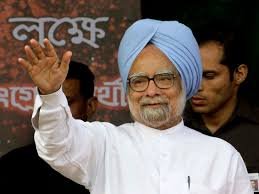


Manmohan Singh, India’s 13th Prime Minister and a pivotal figure in the nation’s economic transformation, passed away at the age of 92 on December 26, 2024, in New Delhi. Singh, renowned for his economic acumen and statesmanship, served as India’s Prime Minister from 2004 to 2014, leaving behind a legacy of progressive reforms and steady leadership.
A Life Dedicated to Public Service
Born on September 26, 1932, in Gah, a village in present-day Pakistan, Manmohan Singh rose from humble beginnings to become one of the most respected leaders in India. After earning his doctorate in economics from Oxford University, he began a career that spanned academia, policymaking, and politics.
Singh’s expertise in economics catapulted him to significant roles, including Governor of the Reserve Bank of India and Finance Minister. As Finance Minister from 1991 to 1996 under Prime Minister P.V. Narasimha Rao, Singh became the architect of India’s economic liberalization. His landmark reforms dismantled decades of socialist policies, opened up the economy to global markets, and set the stage for India’s rapid growth in subsequent decades.
The Prime Ministerial Era
In 2004, Singh became India’s first Sikh Prime Minister, leading the United Progressive Alliance (UPA) government for two consecutive terms. His tenure was marked by significant economic growth, social welfare programs like the Mahatma Gandhi National Rural Employment Guarantee Act (MGNREGA), and key international agreements, including the Indo-U.S. Civil Nuclear Deal.
Known for his quiet demeanor and integrity, Singh was often referred to as the “accidental prime minister,” a testament to his humility and unassuming nature. Despite criticism for policy paralysis during his second term, Singh remained widely admired for his intellect and dedication to the nation.
Tributes Pour In
Condolences have poured in from leaders across the globe, reflecting Singh’s influence beyond India. Indian Prime Minister Narendra Modi expressed his sorrow, stating:
“Dr. Manmohan Singh’s contributions to India’s economic and political landscape are unparalleled. His vision and leadership will be remembered for generations.”
Former U.S. President Barack Obama, who worked closely with Singh, called him “a man of quiet wisdom who led India with grace and determination.”
Congress leader Sonia Gandhi and Rahul Gandhi described Singh as the “soul of India’s reformist journey” and praised his unwavering commitment to the nation.
A Lasting Legacy
Singh’s contributions to India’s development are profound. From economic reforms in the 1990s to his role in stabilizing the nation during global financial crises, his policies continue to shape modern India. Beyond his political achievements, Singh was admired for his humility, intellect, and moral clarity, earning him the affection and respect of millions.
Singh is survived by his wife, Gursharan Kaur, and three daughters. Funeral arrangements are underway, with the government announcing a state funeral to honor his unparalleled contributions.