
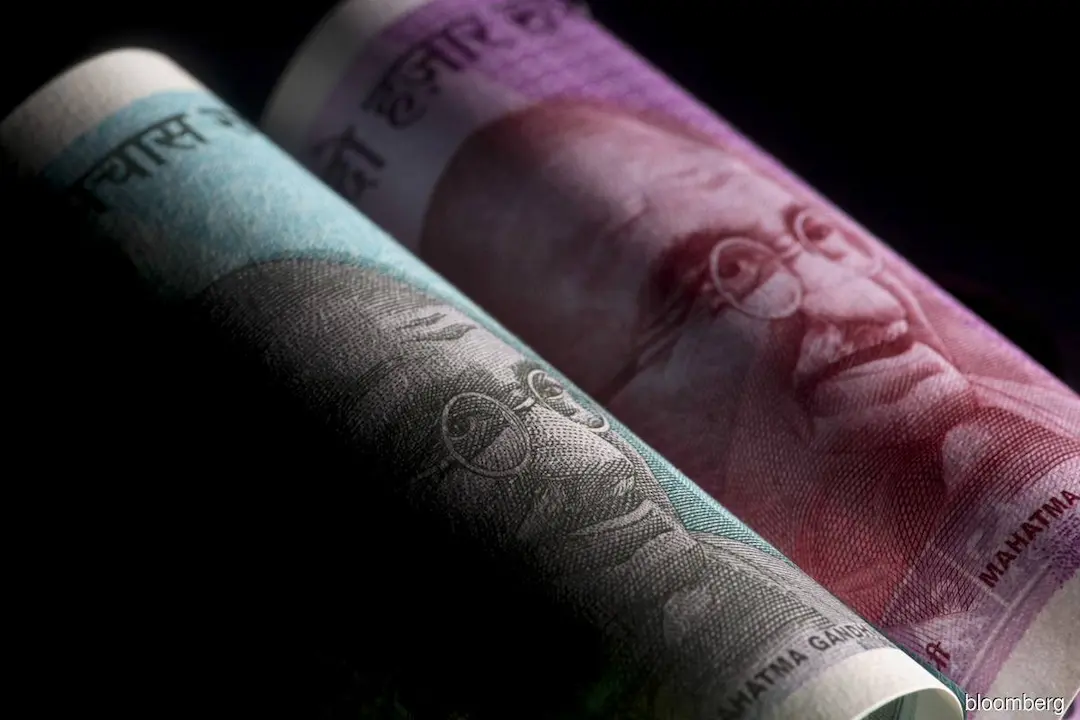


The Indian Rupee continues to face challenges, settling flat at 84.07 against the US dollar on Monday. Persistent pressure from elevated crude oil prices and a strong US dollar has weighed heavily on the currency, forex traders reported. The Rupee’s struggles are further exacerbated by rising US Treasury yields, signaling potential outflows from Indian markets as global investors rotate toward safer assets.
Impact of Oil Prices and Global Markets
India, which imports a large portion of its energy needs, is feeling the impact of the global rise in crude oil prices. This is increasing the nation’s import bill, putting added strain on the Rupee. Additionally, the currency is facing a slow decline due to broader trends in Asian currencies, with investors pulling out of the region amid concerns over economic uncertainty in China.
“The Indian Rupee has been battling multiple fronts,” said a forex analyst. “While India’s domestic growth remains relatively strong, the external pressures from rising oil prices and global market dynamics are pulling the currency down.”
Record Low and Outlook
The Rupee has been hovering near an all-time low, slipping in value amidst growing concerns over the broader Asian market and the potential for equity outflows from India. Weakness in Asian foreign exchange and heightened volatility in global markets have prompted investors to reassess their risk appetite, with a shift toward more stable currencies like the US dollar.
Despite the pressures, the Reserve Bank of India (RBI) has intervened to stabilize the currency, though experts suggest that the Rupee could face a “slow grind lower” in the short term as external risks persist.
As the world economy continues to navigate rising interest rates and fluctuating energy prices, the Indian Rupee may continue to experience turbulence, with analysts closely watching the next moves from the RBI and broader market reactions.