
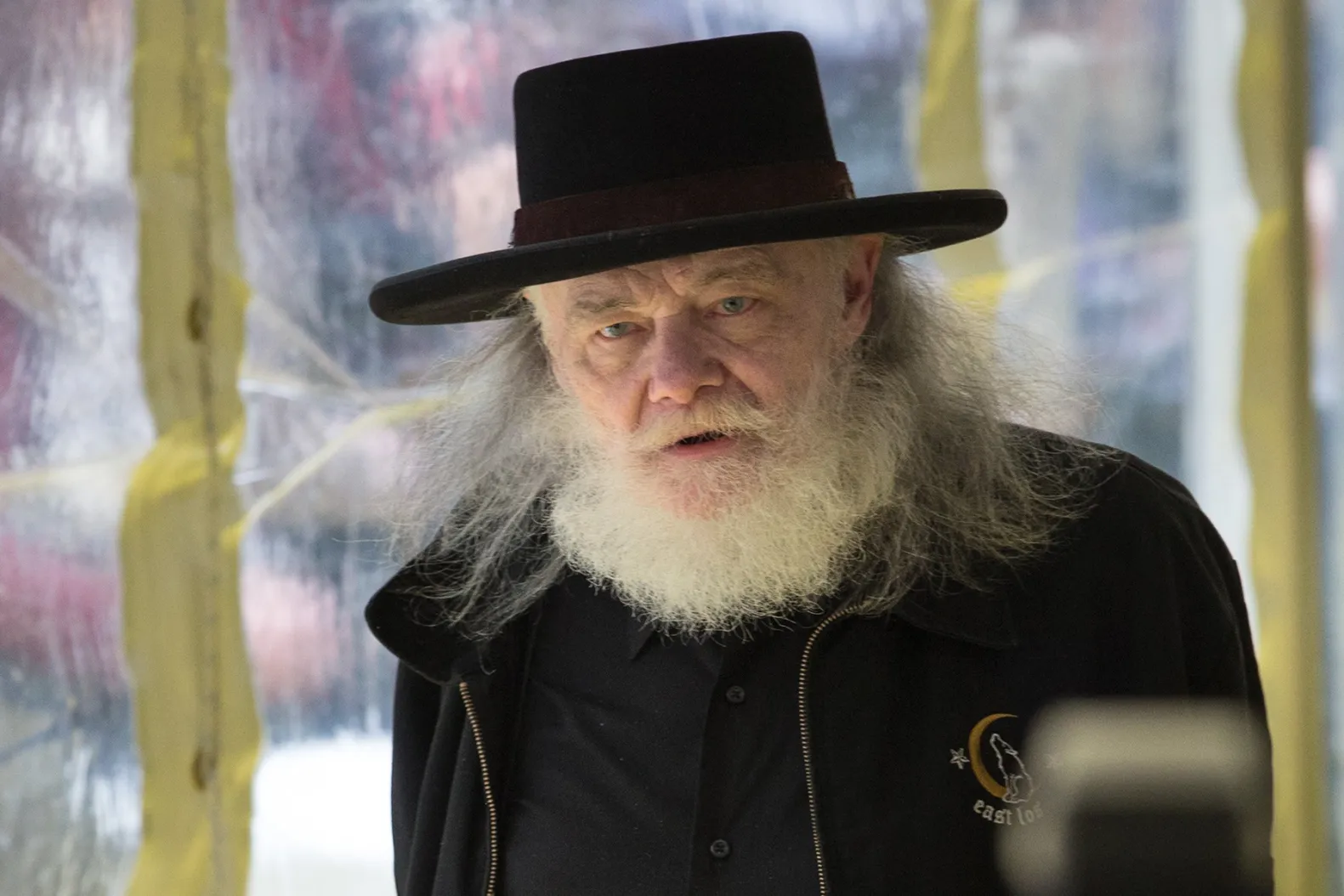


Garth Hudson, the musical genius behind The Band’s eclectic sound, has died at the age of 87. As the last surviving original member of the iconic group, Hudson leaves behind a legacy that revolutionized the music scene of the 1960s and ’70s, blending rock, rhythm and blues, and country into a sound that transcended genres.
Hudson, known for his virtuosity on the organ, piano, and a variety of other instruments, was integral to The Band’s unique identity. His innovative approach to music earned him admiration from both fans and peers, solidifying his reputation as one of the era’s most gifted and multifaceted musicians.
A Pivotal Figure in Rock History
Born on August 2, 1937, in Windsor, Ontario, Canada, Hudson grew up immersed in music. His parents, both musicians, encouraged his classical training, which became a foundation for his diverse style. Hudson initially pursued music education but ultimately shifted his focus to the burgeoning rock scene of the 1960s.
In 1961, Hudson joined Ronnie Hawkins and the Hawks, a group that included future members of The Band. By 1964, Hudson, along with Robbie Robertson, Rick Danko, Levon Helm, and Richard Manuel, had parted ways with Hawkins to form their own group. They initially served as Bob Dylan’s backing band during his groundbreaking transition to electric rock, which drew both acclaim and controversy.
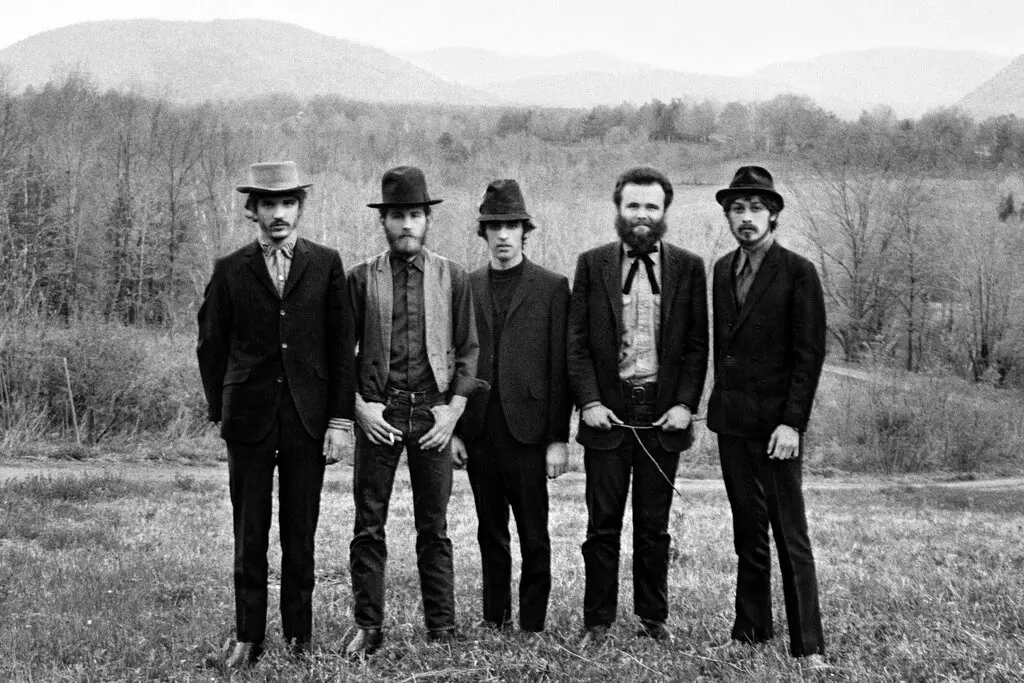
Credit: Elliott Landy/Magnolia Pictures
The Band’s debut album, Music from Big Pink (1968), showcased their seamless blend of musical styles, with Hudson’s organ work adding an ethereal depth. Songs like “The Weight” and “Chest Fever” highlighted his ability to create hauntingly beautiful arrangements that became hallmarks of the group’s sound.
A Musical Innovator
Hudson’s contributions to The Band went beyond performance. Often referred to as “The Professor” due to his encyclopedic knowledge of music, he was the group’s arranger and a creative force behind many of their songs. His use of the Lowrey organ, an instrument not traditionally associated with rock music, added a distinctive layer to The Band’s compositions.
Albums such as The Band (1969) and Stage Fright (1970) further cemented their place in rock history. Hudson’s mastery of the keyboard and his ability to seamlessly incorporate elements of gospel, folk, and classical music elevated The Band’s artistry to new heights.
Later Years and Legacy
Following The Band’s disbandment after The Last Waltz concert in 1976, Hudson remained active in music. He worked as a session musician, collaborated with various artists, and released solo projects. Despite personal struggles and financial difficulties in later years, Hudson continued to inspire new generations of musicians.
The loss of Hudson marks the end of an era. As the last surviving member of The Band, his passing underscores the enduring influence of a group that redefined popular music. The Band was inducted into the Rock and Roll Hall of Fame in 1994, a testament to their cultural impact.
Remembering a Legend
Fans and fellow musicians have taken to social media to pay tribute to Hudson’s remarkable career. Robbie Robertson once described Hudson’s playing as “otherworldly,” a sentiment echoed by many.
In an interview, Hudson once reflected on his love for music: “Music is a language, a way of expressing what words often can’t. It’s a gift I’ve been fortunate to share.”
As the world bids farewell to Garth Hudson, his legacy lives on in the timeless music of The Band—a testament to his unparalleled talent and enduring influence.