
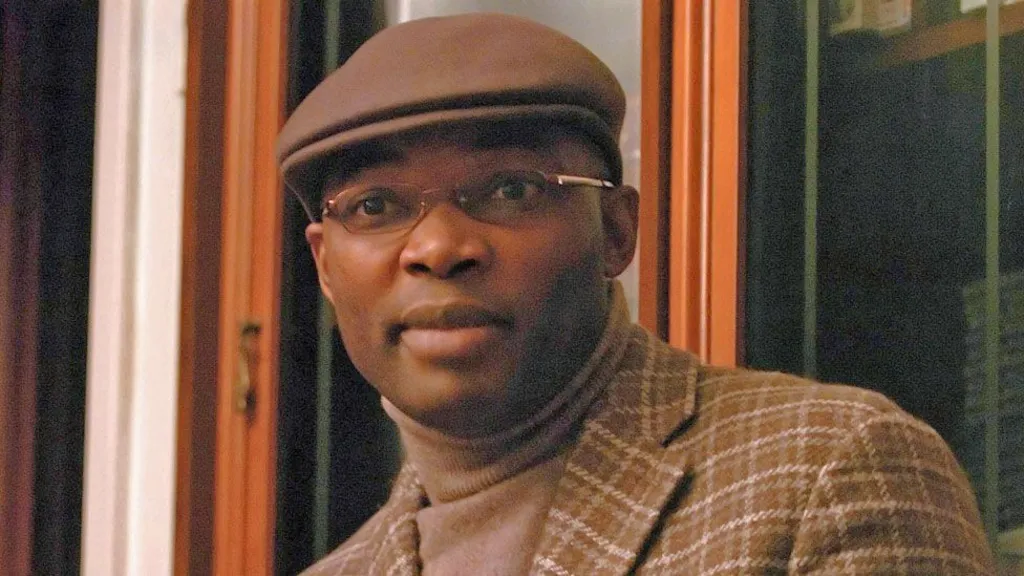


French-Cameroonian journalist Charles Onana, along with his publisher, has been convicted by the Paris Criminal Court for denying the 1994 genocide against the Tutsi people in Rwanda. This conviction follows complaints filed by survivors’ associations, which accused Onana of including negationist content in his 2019 book, “Rwanda, the Untold Story”. The book was criticized for downplaying the systematic mass killings of Tutsis, a stance that has sparked controversy and outrage among those advocating for the memory of the victims.
The Accusations
The case against Onana centers on his assertions in the book that challenge the well-established narrative of the Rwandan genocide. Onana argued in his writings that the killings were not a planned and organized extermination campaign by the Hutu government against the Tutsi minority, but rather part of a larger political conflict. This revisionist view has been widely condemned by historians, human rights organizations, and genocide survivors, who argue that it distorts the historical facts and undermines the experiences of those affected.
Survivors’ associations, led by the Ibuka group, took legal action, asserting that Onana’s book contained multiple passages that denied the genocidal nature of the killings. These groups argued that Onana’s claims contribute to genocide denial, a dangerous ideology that erases the reality of the atrocity and disrespects the victims’ memory.
The Legal Outcome
Onana and his publisher were found guilty by the Paris Criminal Court of incitement to deny genocide, violating French laws that prohibit Holocaust and genocide denial. The court’s decision sends a strong message against revisionism and denial of historical events. During the trial, Onana rejected the accusations, insisting that his work was based on research and presented an alternative viewpoint. He argued that he was not denying the genocide but instead challenging aspects of the narrative surrounding it.
The court, however, disagreed, finding that Onana’s assertions were not backed by factual evidence and were harmful to the victims and survivors of the genocide. The ruling is seen as a victory for those who have long fought against genocide denial and for the preservation of historical truth.
Onana’s Response and Plans for Appeal
Despite the conviction, Onana has expressed his intention to appeal the decision. He maintains that his book was based on a legitimate academic inquiry into the Rwandan conflict and that his views were misrepresented. Onana’s planned appeal will likely lead to further legal proceedings, potentially setting the stage for an ongoing debate on freedom of expression and the limits of historical interpretation.
The publisher involved in the case has also indicated that it will challenge the ruling, reinforcing the stance that the work should be defended under the right to publish differing perspectives.
Reactions from Survivors and Human Rights Groups
The conviction has been welcomed by survivors of the genocide and human rights organizations, who see it as a necessary step in combatting genocide denial. Ibuka, a leading survivors’ group, praised the court for acknowledging the harmful impact of Onana’s writings. “This verdict is a victory for justice and for the memory of the 800,000 victims who lost their lives,” said Jean-Pierre Dusingizemungu, president of Ibuka.
Experts in international law and human rights have also voiced support for the court’s decision, calling it a significant milestone in the ongoing fight against genocide denial. “It is crucial that we uphold the truth of history, especially when it comes to genocides,” said Alain Gauthier, a historian and expert on international law.
The Broader Issue of Genocide Denial
Onana’s conviction highlights a larger issue surrounding the denial of genocides, particularly in the context of the 1994 Rwandan massacre. While the genocide is widely acknowledged by the international community, instances of denial and revisionism continue to surface, especially in academic and media circles. Legal efforts to combat such denial have become more common, as countries like France seek to hold individuals accountable for spreading false narratives about historical atrocities.
In the wake of Onana’s conviction, there is likely to be renewed discussion about the balance between freedom of speech and the responsibility to maintain the truth about historical events, particularly those as significant as genocide.
The conviction of Charles Onana and his publisher for denying the 1994 Rwandan genocide serves as a reminder of the ongoing challenges in preserving the memory of genocidal atrocities. While Onana intends to appeal the decision, the court’s ruling underscores the importance of confronting genocide denial and upholding the truth for the sake of justice and remembrance.