
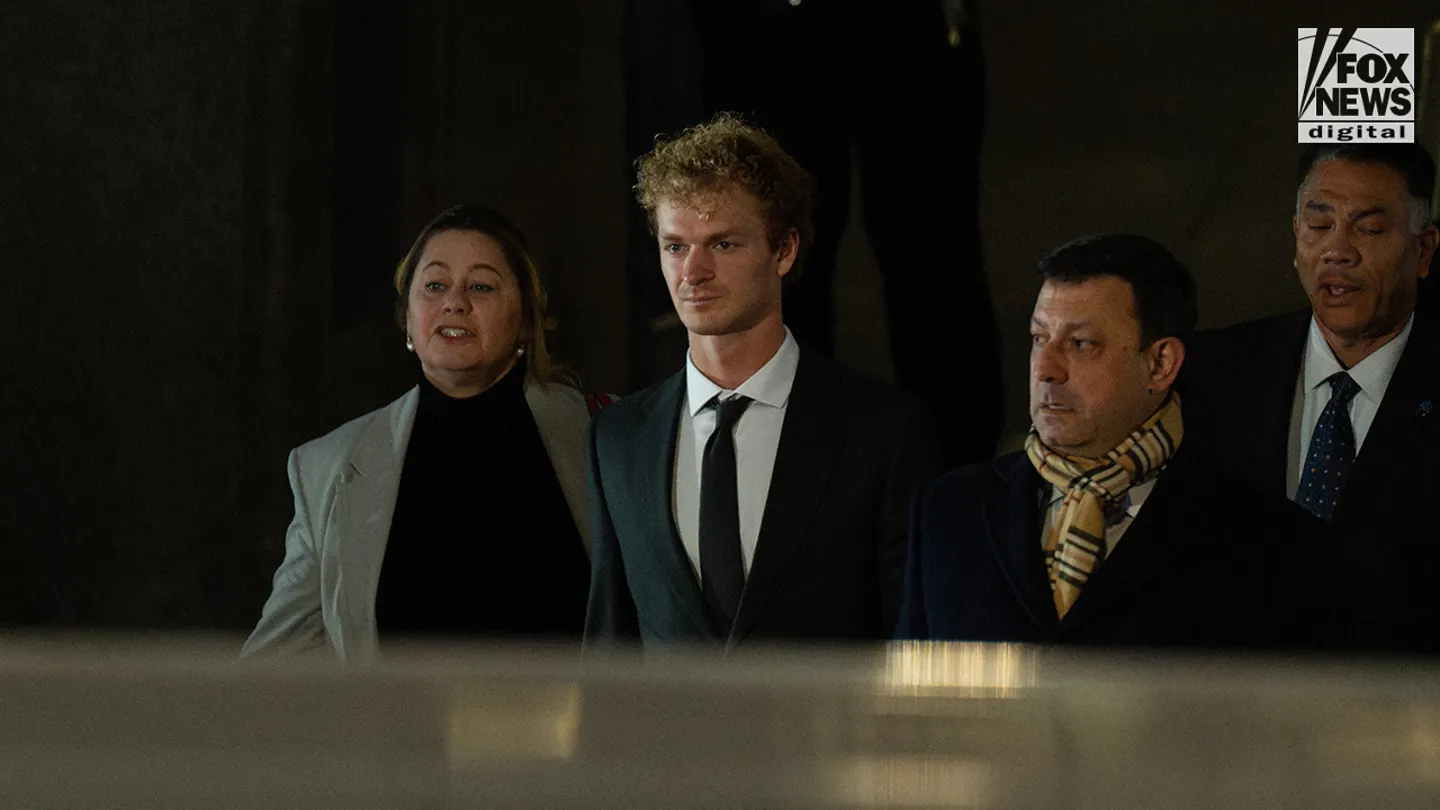


In a significant development in the case against Daniel Penny, a New York judge dismissed the manslaughter charge against the former Marine on Friday, December 6, 2024. The decision came as the jury prepared to break for the weekend after extensive deliberations. The ruling pivots the focus to the lesser charge of criminally negligent homicide.
Background of the Case
The case stems from an incident on May 1, 2023, when Penny restrained 30-year-old Jordan Neely, a homeless man, in a chokehold aboard a subway car in Manhattan. Neely, known for his Michael Jackson impersonations and frequent subway performances, died in the altercation, which sparked widespread protests and debates about mental health, homelessness, and public safety.
Penny was initially charged with second-degree manslaughter, a serious offense that could have resulted in significant prison time if convicted. His defense team argued that his actions were an attempt to protect other passengers from what they described as erratic and threatening behavior by Neely.
Judge’s Decision and Jury Deliberations
The judge’s ruling to drop the manslaughter charge came after prosecutors conceded they could not definitively prove intent, a key element required for a manslaughter conviction. Instead, the focus shifts to the criminally negligent homicide charge, which carries a lesser burden of proof.
Prosecutors allege that Penny acted recklessly by using excessive force, leading to Neely’s death. The defense maintains that Penny acted in self-defense and did not intend harm.
Public Reaction
The dismissal of the manslaughter charge has drawn mixed reactions. Advocacy groups supporting Neely’s family expressed disappointment, arguing that the decision undermines accountability for Neely’s death. On the other hand, Penny’s supporters welcomed the ruling, viewing it as a step toward vindication for the former Marine.
What’s Next?
The jury is expected to resume deliberations on Monday, focusing solely on whether Penny’s actions constituted criminal negligence. A conviction for criminally negligent homicide could still result in a sentence of up to four years in prison.
The case continues to ignite passionate debate over public safety and the rights of individuals experiencing homelessness or mental health crises.