
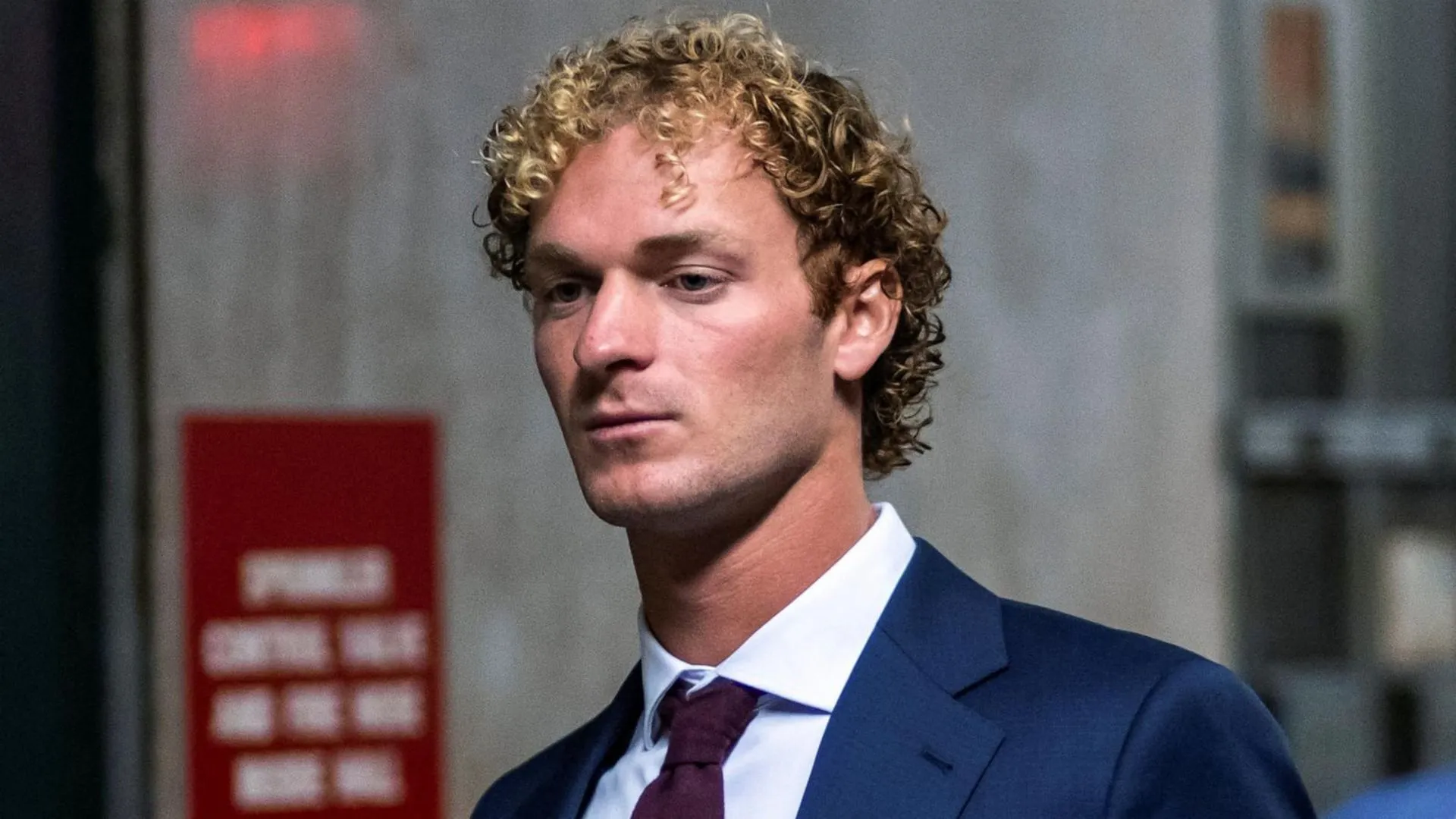


In a verdict that has sparked widespread debate and reflection, Daniel Penny, the man accused of causing the death of Jordan Neely on a New York City subway train, has been acquitted. The case, which drew attention to issues of race, mental health, and the safety of New York’s public transit system, has raised critical questions about the consequences of self-defense claims and the state of post-pandemic New York City.
The Incident
The incident occurred on May 4, 2023, aboard an F train in Manhattan. Jordan Neely, a 30-year-old homeless man known for his performances as a Michael Jackson impersonator, was allegedly acting erratically and making threatening statements when Daniel Penny, a 24-year-old former U.S. Marine, intervened. Penny placed Neely in a chokehold, restraining him for several minutes as the train continued on its route. Neely lost consciousness during the struggle and was later pronounced dead after being rushed to a nearby hospital.
The encounter, which was captured on video by bystanders, quickly went viral, sparking protests and heated debates over the actions of both Penny and Neely. Advocates for Neely’s family and those in support of his rights have argued that the incident highlighted the severe impact of mental health issues among New York’s homeless population and the challenges posed by a transit system that has struggled with rising crime and safety concerns in recent years.
Legal Proceedings and Acquittal
Daniel Penny faced charges of second-degree manslaughter and criminally negligent homicide for his actions. Prosecutors argued that Penny’s use of the chokehold was excessive and that Neely’s life could have been saved if Penny had released the hold earlier. However, Penny’s defense team maintained that he acted in self-defense, fearing for his own safety and that of other passengers in the car. They emphasized that Penny’s military background and training led him to react quickly in a high-pressure situation, attempting to restrain Neely without intending to harm him.
The jury deliberated for several days before reaching its verdict, ultimately acquitting Penny of all charges. In his statement following the verdict, Penny expressed his sympathy for Neely’s family but reiterated that he had acted with the intention of protecting others on the train. “I never wanted this outcome,” Penny said, “but I believed I was trying to do what was right in the moment.”
Broader Implications and Public Reaction
The acquittal has sparked a significant public outcry. Supporters of Neely’s family and advocates for mental health care reform have expressed disappointment with the ruling, arguing that it sets a dangerous precedent for vigilante justice. The incident, they argue, reflects the broader challenges facing New York City, particularly as it deals with rising homelessness and mental health crises that have been exacerbated by the pandemic.
Conversely, some have defended Penny, asserting that his actions were a result of heightened fears in an increasingly unpredictable environment. New York City, they argue, has seen a spike in violent crimes in recent years, leaving many residents and commuters on edge.
In the wake of the verdict, calls for better mental health services and reform of the criminal justice system have grown louder. Some have demanded stricter regulations on the use of force in situations like this, while others emphasize the need for increased resources to address homelessness and mental health issues across the city.
The Legacy of the Case
The case of Daniel Penny and Jordan Neely has now entered the annals of New York’s post-pandemic struggles, reflecting the tensions and challenges that continue to shape the city’s future. As debates about safety, justice, and mental health care continue, the question remains: what is the best way to balance self-defense and public safety with the rights and well-being of vulnerable individuals?