


December 24, 2024
Medellín, Colombia – Fabio Ochoa, one of Colombia’s most notorious drug lords, has returned to his homeland after serving two decades in U.S. prisons. Ochoa, who was a key figure in the powerful Medellín Cartel during the 1980s and 1990s, was deported to Colombia after completing his sentence for drug trafficking and organized crime charges in the United States.
A Return to Colombia After 20 Years
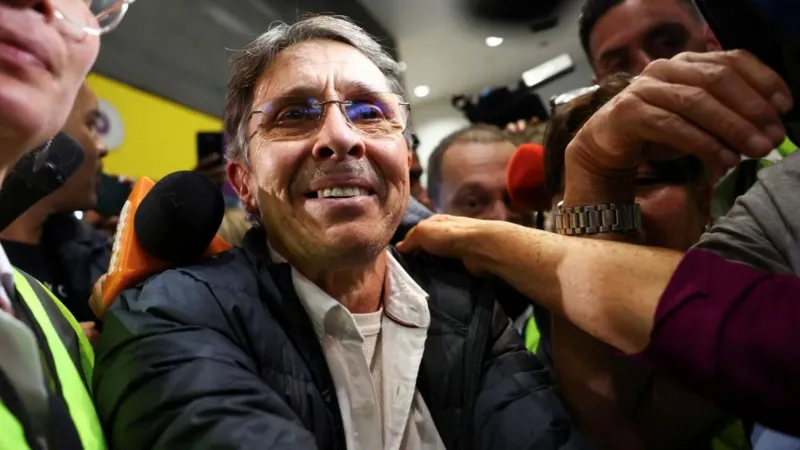
Ochoa, 61, arrived in Bogotá on a commercial flight late Sunday, December 23, 2024, after being released from U.S. custody. His deportation follows his 20-year sentence for drug-related offenses, including his role in the global cocaine trade, which made him a key figure in the Medellín Cartel alongside other infamous leaders such as Pablo Escobar.
Upon his arrival, Ochoa was met by family members and a heavy police presence, but he walked free, with no immediate legal action pending against him in Colombia. Ochoa’s release marks the end of a lengthy prison sentence that had begun after his arrest in the U.S. in 1999.
Legacy of the Medellín Cartel
Ochoa’s return brings renewed attention to the violent history of the Medellín Cartel, which was responsible for trafficking massive amounts of cocaine to the United States and other countries. Ochoa, along with his brothers and other associates, was instrumental in expanding the cartel’s operations throughout the 1980s.
In the years following Escobar’s death in 1993, Ochoa continued to be a major player in the Colombian drug trade, though his influence waned as the Colombian government and international law enforcement agencies tightened their efforts against drug cartels.
Deportation and Legal Matters
Ochoa’s deportation is part of the U.S. government’s broader policy of expelling foreign criminals once they have served their sentences. Despite his past criminal activities, Ochoa was not immediately arrested upon his return to Colombia, as there are no active warrants for his arrest in the country at this time. However, Colombian authorities have made it clear that they will monitor his movements closely.
In the United States, Ochoa had faced multiple charges, including conspiracy to import and distribute cocaine. He was convicted in 2001 and sentenced to 20 years in prison, with his sentence reduced for cooperating with authorities and pleading guilty to some charges.
Reactions in Colombia
The return of Ochoa to Colombia has sparked mixed reactions. While some view it as the end of a dark chapter in Colombia’s history, others are concerned about his potential involvement in drug trafficking once again. The Colombian government has not issued an official statement on his return, but experts say it is unlikely that Ochoa will have the same level of influence he once did.
“Fabio Ochoa’s time as a major player in the drug trade is largely over,” said Alejandro Pérez, a Colombian law enforcement expert. “However, his return is a reminder of the persistent challenges that Colombia faces in combating organized crime.”
Looking Ahead
As Ochoa adjusts to life back in Colombia, it remains to be seen whether he will face any further legal repercussions or if his release will spark a resurgence in his criminal activities. His return also underscores the continued efforts by the Colombian government and international authorities to address the legacies of powerful drug cartels that have long plagued the region.
For now, Fabio Ochoa walks free in his home country, leaving behind a legacy marked by violence, corruption, and a dark chapter in the history of the global drug trade.