
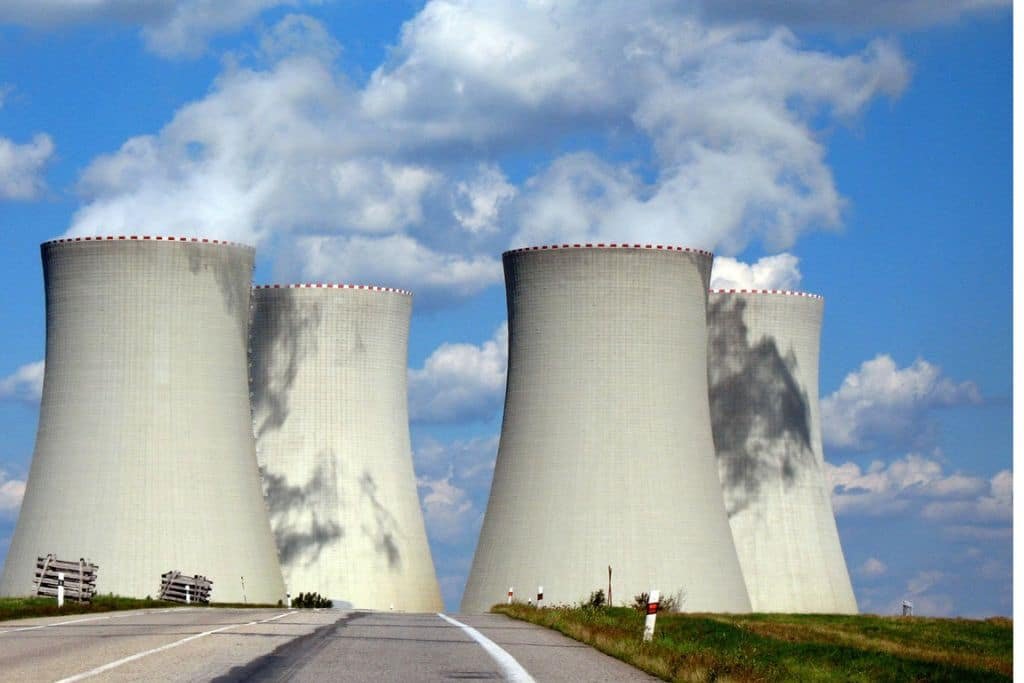


As the world grapples with rising energy demands and the pressing need to transition to sustainable sources, nuclear reactors are increasingly being recognized as an “emerging space” in the quest for reliable and clean energy. Experts and industry leaders are advocating for a renewed focus on nuclear power as a viable solution to meet the energy challenges of the 21st century.
The International Energy Agency (IEA) has projected that global energy demand will increase significantly over the next few decades, driven by population growth, urbanization, and economic development. To meet these rising needs, a diversified energy portfolio is crucial, and nuclear power is gaining attention as a low-carbon option that can complement renewable energy sources like wind and solar.
Nuclear reactors are known for their ability to generate large amounts of electricity with minimal greenhouse gas emissions. Unlike fossil fuels, which release significant amounts of carbon dioxide and other pollutants into the atmosphere, nuclear energy produces electricity through nuclear fission, which results in far fewer emissions. This has prompted governments worldwide to reconsider their stance on nuclear power, especially as nations strive to meet climate goals outlined in international agreements like the Paris Accord.
One of the key advantages of nuclear energy is its capacity for baseload power generation. While renewable sources can be intermittent—subject to fluctuations in weather and daylight—nuclear reactors can operate continuously, providing a stable and reliable power supply. This reliability is critical as countries look to transition away from fossil fuels and towards a more sustainable energy future.
Countries like France, which generates approximately 70% of its electricity from nuclear power, serve as examples of how nuclear energy can effectively meet energy needs while reducing carbon emissions. Other nations, including the United States, China, and India, are also exploring the expansion of their nuclear energy programs to bolster energy security and address climate concerns.
However, the resurgence of interest in nuclear power does not come without challenges. Public perception remains a significant hurdle, largely influenced by historical incidents such as the Chernobyl disaster in 1986 and the Fukushima disaster in 2011. Many communities still harbor concerns about the safety of nuclear reactors, the handling of radioactive waste, and the potential for catastrophic accidents.
To counter these fears, the nuclear industry is investing in new technologies and reactor designs aimed at improving safety and efficiency. Advanced nuclear reactors, such as small modular reactors (SMRs), promise to be more flexible, safer, and easier to deploy compared to traditional large-scale reactors. These innovations could potentially address public concerns while providing a viable path for expanding nuclear energy.
Moreover, the economic viability of nuclear energy is a topic of ongoing discussion. While the initial investment for constructing nuclear plants is high, proponents argue that the long-term benefits—such as lower operational costs and stable energy prices—can outweigh these initial expenses. The evolving landscape of energy markets, along with advancements in technology, may further enhance the competitiveness of nuclear power.
In conclusion, as the global energy landscape continues to evolve, nuclear reactors are being recognized as an essential part of the energy mix to meet rising demands sustainably. With a focus on innovation, safety, and public engagement, the nuclear sector has the potential to play a crucial role in achieving a low-carbon future while ensuring energy security. As governments and industries worldwide work to tackle the challenges of climate change and energy sustainability, nuclear power is poised to emerge as a significant player in the transition to a cleaner energy future.