
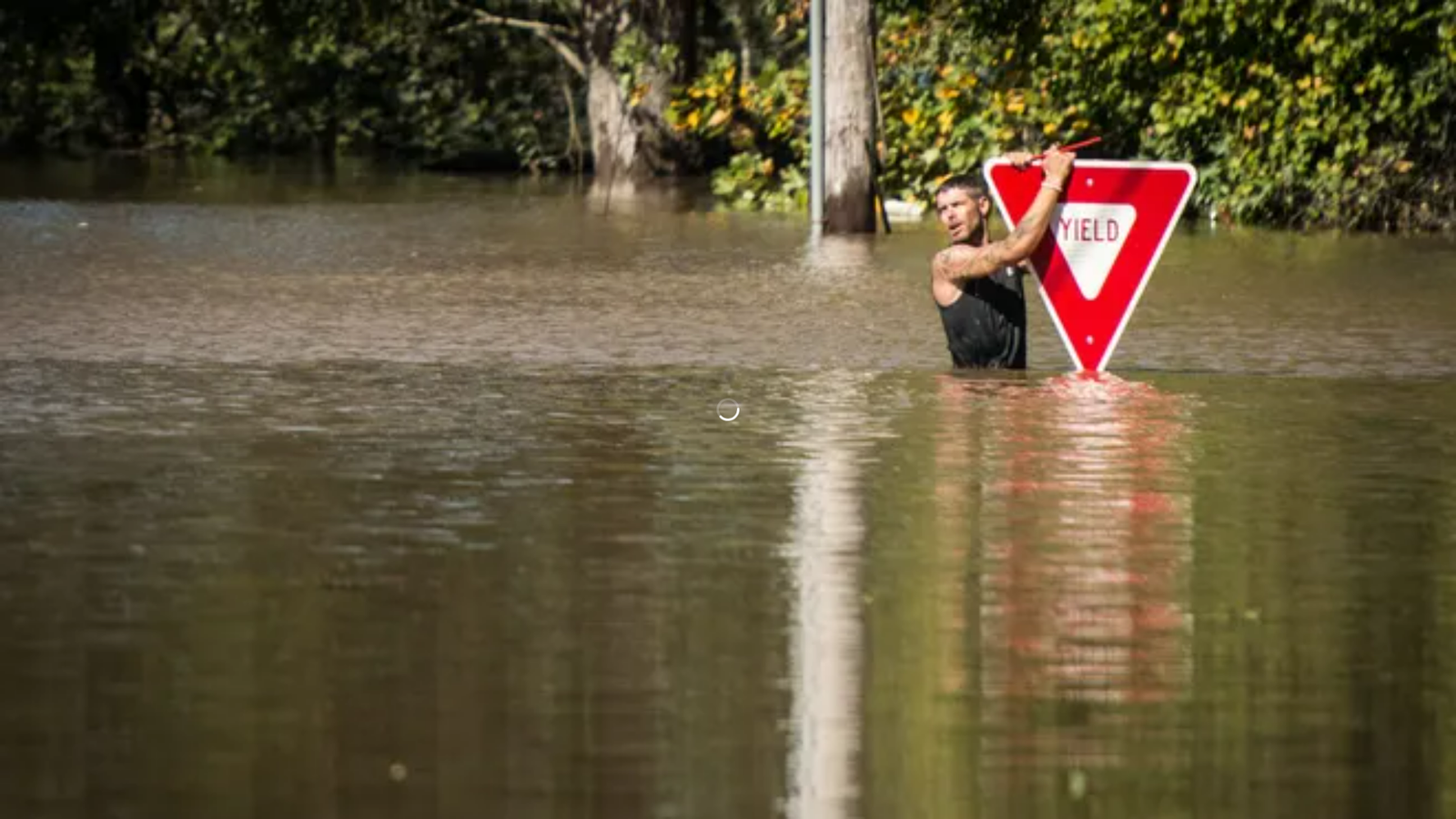


A viral image circulating on social media allegedly showing a heavily flooded street in Gatlinburg, Tennessee, in the aftermath of Hurricane Helene is, in fact, an AI-generated image, according to a recent fact check. The image, which quickly gained traction on platforms like X (formerly Twitter) and Facebook, shows a dramatic scene of submerged streets with cars and storefronts partially underwater, accompanied by captions claiming it depicts real damage caused by the hurricane. However, experts have confirmed that the image is not authentic and was created using artificial intelligence.
Debunking the Image
The image first appeared online shortly after Hurricane Helene began trending in news reports, raising concerns about the potential impact of the storm on several states. The realistic depiction of a flooded Gatlinburg street led many users to believe it was a genuine photograph, with some sharing it as a warning of the severity of the storm.
However, a closer analysis by fact-checking organizations revealed telltale signs of AI manipulation. Experts noted irregularities in the image, such as distorted features on the buildings and unusual water patterns that are inconsistent with real flood dynamics. Additionally, metadata and reverse image searches indicated that the photo had not appeared online prior to the recent Helene reports, further suggesting it was a newly generated image.
“This image is a classic example of how AI technology can be used to create convincing but completely fictional visuals,” said John Mulligan, a digital forensics expert. “It’s important for people to scrutinize what they see online, especially in the wake of natural disasters when misinformation can spread rapidly.”
Gatlinburg’s Response
Local officials in Gatlinburg have also weighed in, confirming that the city has not experienced flooding of the magnitude depicted in the viral image. In a statement, the Gatlinburg Police Department clarified that while some areas of the city saw minor flooding due to heavy rains, no major damage occurred. “We urge residents and visitors to rely on verified sources for updates and to avoid spreading unverified information that can cause unnecessary panic,” the statement read.
The city has been vigilant about combating misinformation in the past, particularly since it was significantly affected by wildfires in 2016. False reports and misleading images can complicate response efforts and distract from legitimate concerns during severe weather events.
The Role of AI in Misinformation
The incident highlights a growing trend of AI-generated content being used to create misleading visuals, especially in the context of news and social media. As technology improves, AI-generated images are becoming more difficult to distinguish from real photos, making it essential for users to apply critical thinking when encountering viral content.
Tech companies are also under increasing pressure to develop better tools for identifying and flagging AI-generated content. Platforms like X and Facebook have started rolling out features to label such images, but the effectiveness of these measures remains limited. “We’re in a new era where distinguishing fact from fiction is more challenging than ever,” said Mulligan. “People need to be more vigilant and aware of the potential for AI to create convincing but fake content.”
How to Spot AI-Generated Images
For those looking to avoid falling for similar deceptions in the future, experts recommend keeping an eye out for the following signs:
- Look for Distortions: AI-generated images often have subtle errors, such as unnatural reflections, blurred edges, or inconsistencies in the background.
- Check the Source: If an image is spreading quickly but lacks attribution to a reputable news organization or eyewitness, it’s a red flag.
- Reverse Image Search: Use tools like Google’s reverse image search to see if the photo has appeared elsewhere or if it’s new and suspiciously tied to a specific event.
The fake Gatlinburg image serves as a reminder that as technology evolves, so do the challenges in combating misinformation. In the wake of Hurricane Helene, it’s more important than ever to verify information before sharing.