
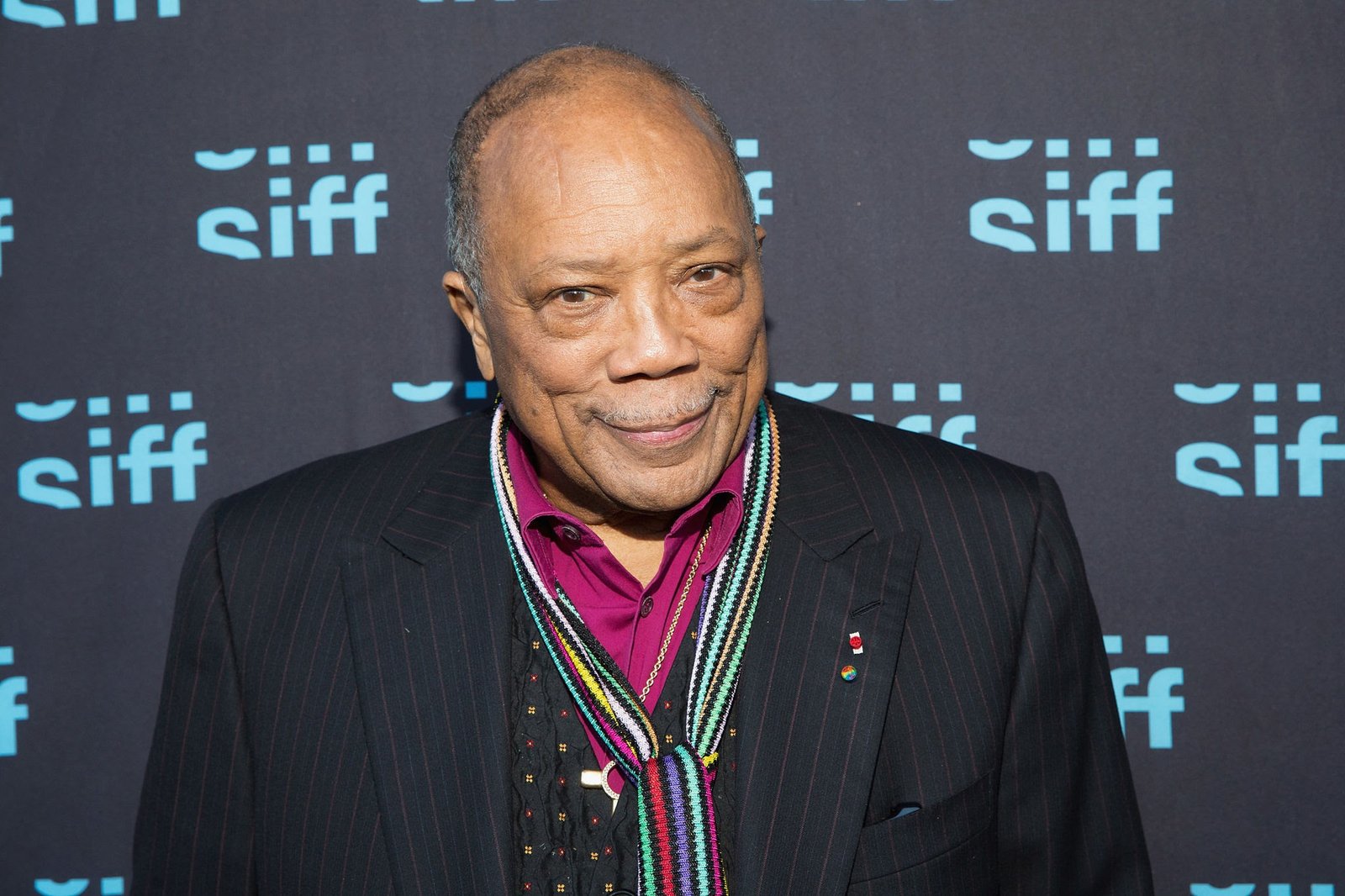


Quincy Jones, the celebrated music producer, composer, and visionary behind some of the most iconic records in music history, has died at the age of 91. Known for his work with artists like Michael Jackson, Frank Sinatra, and Will Smith, Jones left an indelible mark on the music and entertainment industries over a career that spanned more than six decades.
A Musical Legacy Like No Other
Jones’ career began in the 1950s as a talented jazz trumpeter before he moved on to arranging, producing, and composing for some of the biggest names in music. His skill as an arranger and producer helped define the sound of popular music, as he combined jazz, pop, soul, and orchestral elements in ways that set trends across genres.
In 1982, he produced Michael Jackson’s Thriller, the best-selling album of all time, which solidified his place in music history. The collaboration between Jones and Jackson spanned three albums, including Off the Wall and Bad, each of which earned critical and commercial acclaim. With Thriller, Jones’ innovative production techniques, especially on tracks like “Billie Jean” and “Beat It,” forever altered the sound of pop music.
Beyond Jackson, Jones produced for luminaries like Frank Sinatra, arranging classics such as “Fly Me to the Moon” and collaborating on Sinatra at the Sands. His relationship with Sinatra went beyond music; they shared a close bond that brought an extra depth to their collaborations, making Jones one of the most respected arrangers of his time.
A Broad Influence in Entertainment
Jones’ talents extended far beyond the recording studio. He was a trailblazer in film and television, producing films such as The Color Purple, which earned him an Academy Award nomination, and crafting the iconic theme music for The Fresh Prince of Bel-Air, sung by Will Smith. His impact on the small screen was equally influential, as he provided platforms for new artists and was instrumental in raising awareness about social issues through music and media.
Jones also became one of the first Black executives in the music industry, breaking down barriers in an era when Black artists and producers faced systemic challenges. He was a co-producer of the historic 1985 “We Are the World” single, which brought together top artists to raise funds for humanitarian aid in Africa, a project that underscored his commitment to social change.
A Lifetime of Recognition and Impact
Throughout his life, Jones earned numerous accolades, including 28 Grammy Awards out of a record-setting 80 nominations, underscoring his contributions to music. He also received the Grammy Legend Award in 1991 and the Grammy Trustees Award, honoring his decades-long influence on the music industry.
Jones was more than just a producer; he was a cultural figure who championed causes, inspired artists, and challenged societal norms. He mentored generations of musicians, from jazz prodigies to pop stars, and left a legacy of musical excellence that continues to shape the industry.
A Final Farewell
Quincy Jones’ passing marks the end of an era, but his influence will live on through the music, movies, and television that he helped create. As the music world mourns the loss of an extraordinary talent, his legacy stands as a testament to the power of innovation, collaboration, and dedication in the arts.